
Jerusalem Post columnist calls to preserve Jewish community ties after October 7
The Israeli publication The Jerusalem Post published a column ahead of Rosh Hashanah in which its author called for the strengthened ties within Jewish communities following Hamas’s October 7, 2023, attack on Israel to be transformed into a lasting sense of community and belonging. The columnist noted that, according to him, the new Jewish year is beginning for the first time since then after all hostages — living and dead — have returned from Gaza.
The author stressed that the end of this stage does not restore what was lost. As an example, he mentioned Rachel Goldberg-Polin, the mother of Hersh Goldberg-Polin. According to the columnist’s account, her son spent 328 days in captivity, after which Hamas militants killed him and five other hostages.
Engagement in Jewish life
The author referred to Jewish Federations of North America data on a phenomenon they called the Surge. It refers to a growing desire among American Jews to engage in Jewish life and maintain ties with one another. In 2024, 43% of respondents said they had become more involved or wanted to become more involved in such life. A year later, 31% of those surveyed still sought greater engagement.
More current news is available on the UA.News Telegram channel Telegram.
In the columnist’s view, this trend was partly a response to antisemitism, hostility toward Jews, and negative attitudes toward Israel that intensified after October 7. He believes that the sense of vulnerability prompted many Jews to turn to their community, identity, learning, and traditions.
J50 forum in Jerusalem
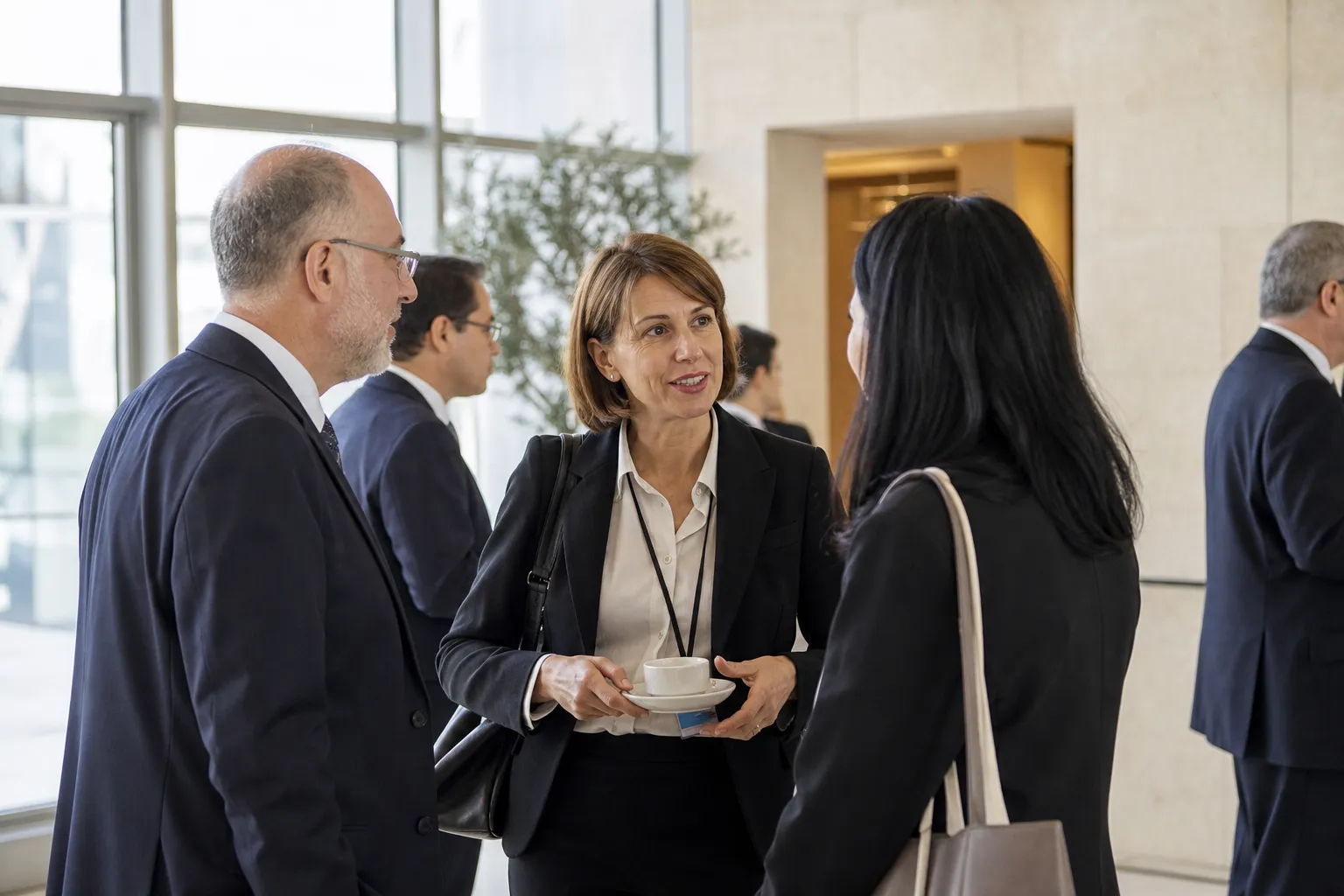
The columnist also reported that last week he chaired the third meeting of the J50 forum at the Ministry of Foreign Affairs in Jerusalem. It was attended by leaders representing the world’s 50 largest Jewish communities. According to him, the participants came from different countries, spoke different languages, and faced different challenges, but shared an awareness of belonging to one people.
The author urged communities not to lose the people who joined them during the crisis. He proposed welcoming those who do not know the prayers or had not previously attended Shabbat dinners, answering their questions, and creating opportunities for learning, participation, and communication. Goldberg-Polin, according to the author, reminded herself every morning during her son’s captivity that hope is mandatory.


