
SCMP columnist begins year-long Harvard appointment for US-China dialogue
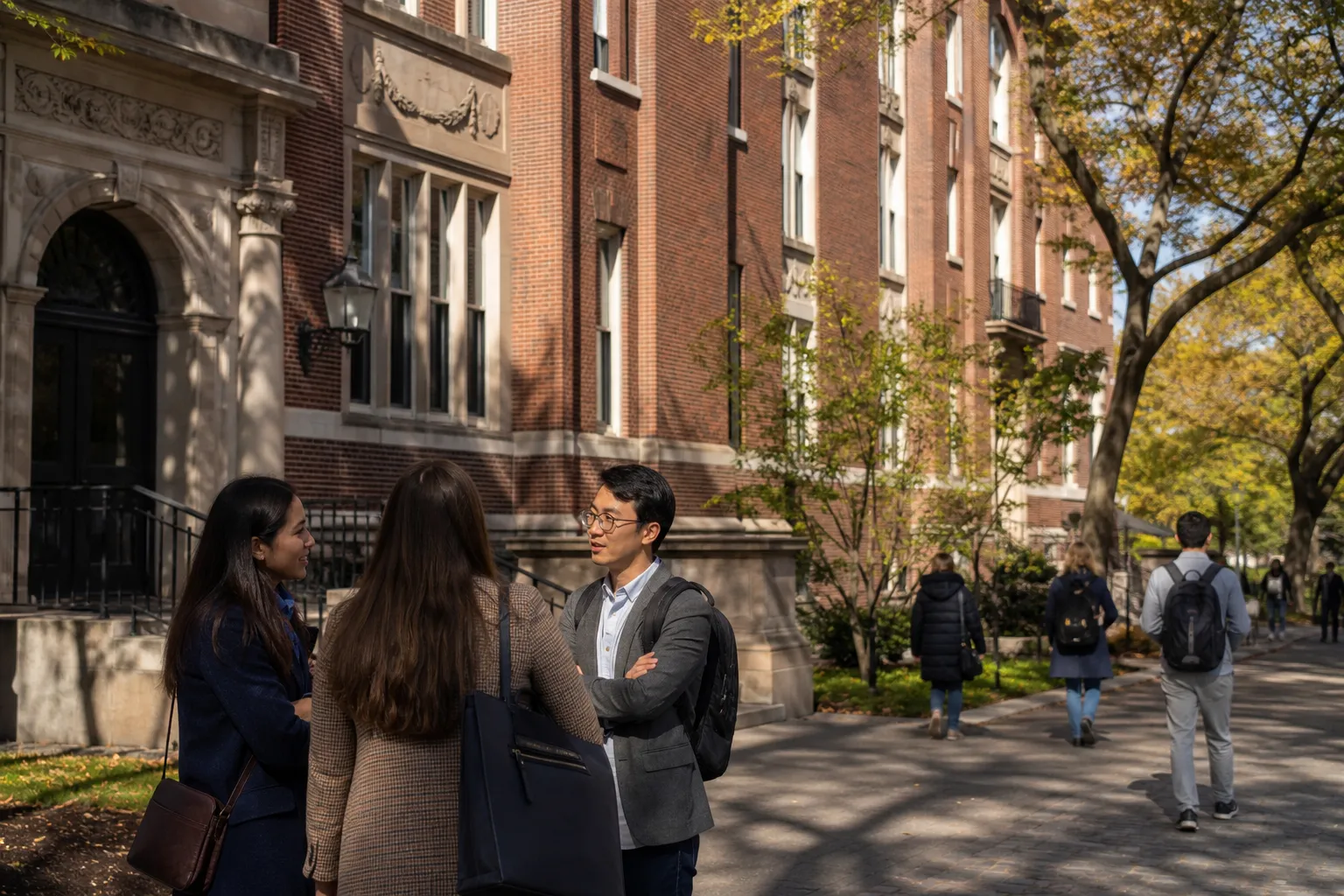
In Cambridge, United States, a South China Morning Post columnist has begun a one-year appointment as a senior visiting scholar at the Rajawali Foundation Institute for Asia at the Harvard Kennedy School. He intends to speak with American opinion leaders from different political backgrounds about the future of relations between Washington and Beijing and whether conflict between the countries is inevitable.
Distrust between the US and China
Before travelling to Boston at the end of the previous month, the author said he spent three days deleting old emails, screenshots and WeChat correspondence from his phone. He explained this by referring to advice regularly given to Chinese travellers to the United States: take a clean phone or a separate device. Similar recommendations, the author writes, have long been given to American officials, academics and business travellers before trips to China.
The author’s entry into the United States was quick and trouble-free, and his devices were not confiscated. He called this experience an example of the gap between perception and reality in US-China relations, which he has written about for 35 years.
According to the columnist, the current deterioration in bilateral relations began intensifying in 2018, when Donald Trump’s first administration launched a trade war with China. He links the tensions to contradictions that had accumulated in public administration, industry, trade, science and technology, as well as to the mutual fears of both sides.
More current news is available on the UA.News Telegram channel Telegram.
Areas of possible interaction
The author also noted that US Treasury Department officials recently raised the possibility of sanctions against Chinese banks over their operations with Iran, prompting a sharp reaction from Beijing. Long Guoqiang, deputy director-general of the Development Research Center of the State Council of the PRC, said, according to the author, that the United States remains the biggest external source of uncertainty for China’s modernization and that the US policy of containment may continue and intensify.
At the same time, the columnist considers the temporary trade truce an opportunity for dialogue. He writes that after the May summit in Beijing, Xi Jinping is expected to visit Washington later this month, while further contacts with Donald Trump are possible on the sidelines of the APEC and G20 summits in November and December.
Among possible areas of interaction, the author named climate change, future pandemics, combating transnational crime and the trade in fentanyl precursors, as well as regulating artificial intelligence, space and other emerging technologies. According to him, cooperation on precursors continued even during the worst periods of the trade war.




