
Mexico’s computer exports surpass automotive sector
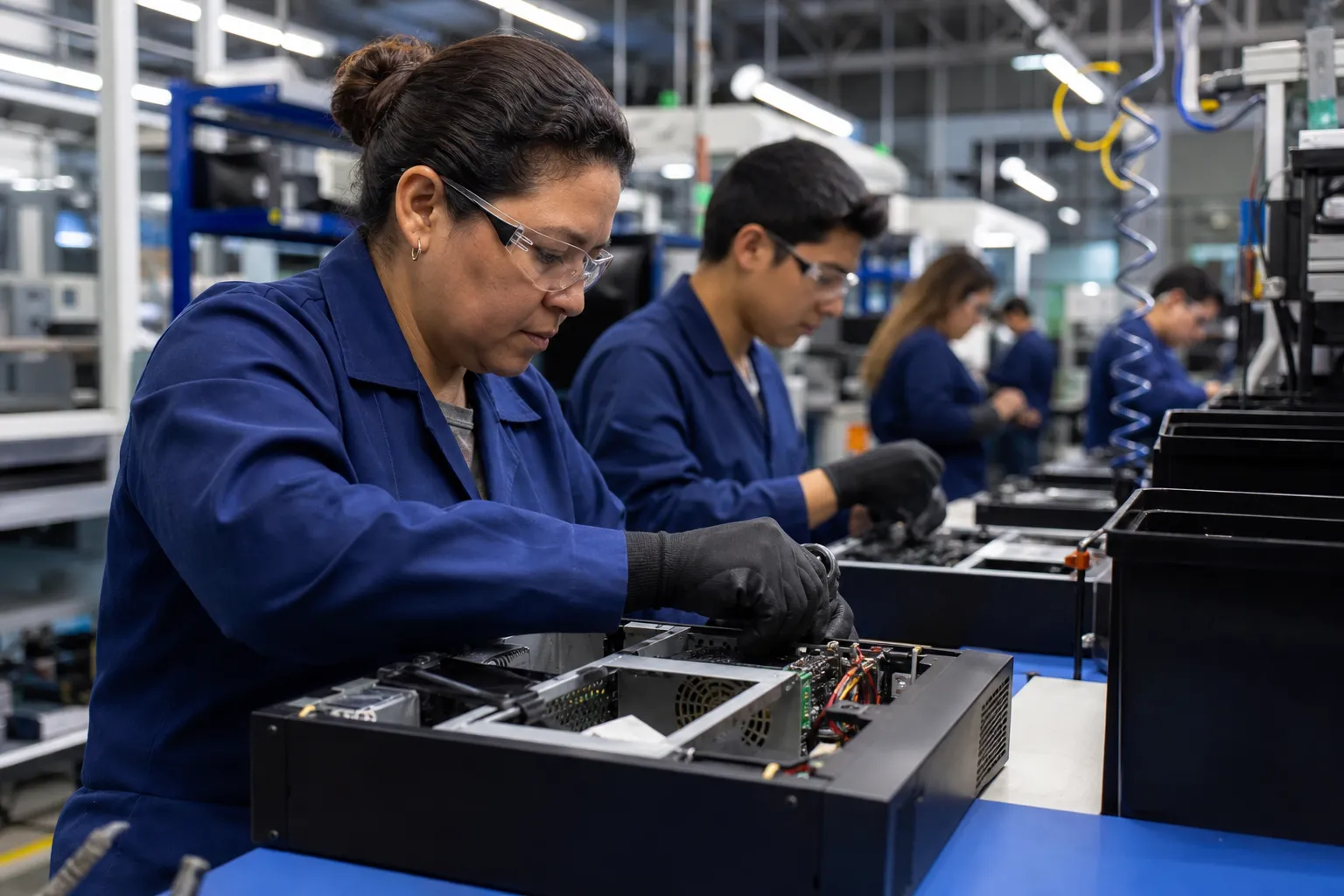
Exports of computer equipment from Mexico reached $87 billion in the first half of 2026 and, for the first time in three decades, exceeded shipments of automobiles and auto components, which totaled $74.9 billion. This was stated in a column by Pedro Casas Alatriste, CEO of the American Chamber of Commerce in Mexico, published by Mexico News Daily.
According to the data cited in the column, exports of computer products increased by 280% compared with the first half of 2025. The author links the change in the structure of Mexican exports to growing demand for physical infrastructure for artificial intelligence technologies, including computing equipment and server systems.
Trade with the United States
Mexican exports to the United States reached a record $545 billion in 2025, up 5.8% from a year earlier. In the first quarter of 2026, shipments totaled a record $138 billion, while Mexico’s share of U.S. goods imports reached 16.9%. By comparison, Canada’s share was 11.2%, and China’s was 7.4%.
In the first half of 2026, Mexican exports rose 25% year on year, while imports increased by 22%. According to the author, after the United States introduced 25% tariffs on Mexican goods that do not comply with the requirements of the United States-Mexico-Canada Agreement (USMCA), the utilization rate of the agreement increased from about 45% at the beginning of 2025 to 89% in November.
More current news is available on the UA.News Telegram channel Telegram.
Casas Alatriste estimates the effective tariff rate for Mexican goods compliant with the USMCA at 3.74%. For comparison, he cites a rate of 23.4% for China and a global average of 7.19%.
Components from Taiwan
At the same time, the author notes that the rapid growth of electronics exports depends heavily on imported components. According to the column, in the first five months of 2026, Mexico’s exports of artificial intelligence-related electronic components increased by 313% year on year. A substantial share of the components comes from Taiwan; Mexican imports from there rose by 256% last year.
The author notes that Mexico has production sites, a workforce and a logistics base for assembling and integrating electronic components. At the same time, in his view, the electronics industry is less labor-intensive than the automotive industry, while the development of data centers will require significant energy and water resources.


