
The conflict with Iran has divided BRICS and made India's decision more difficult
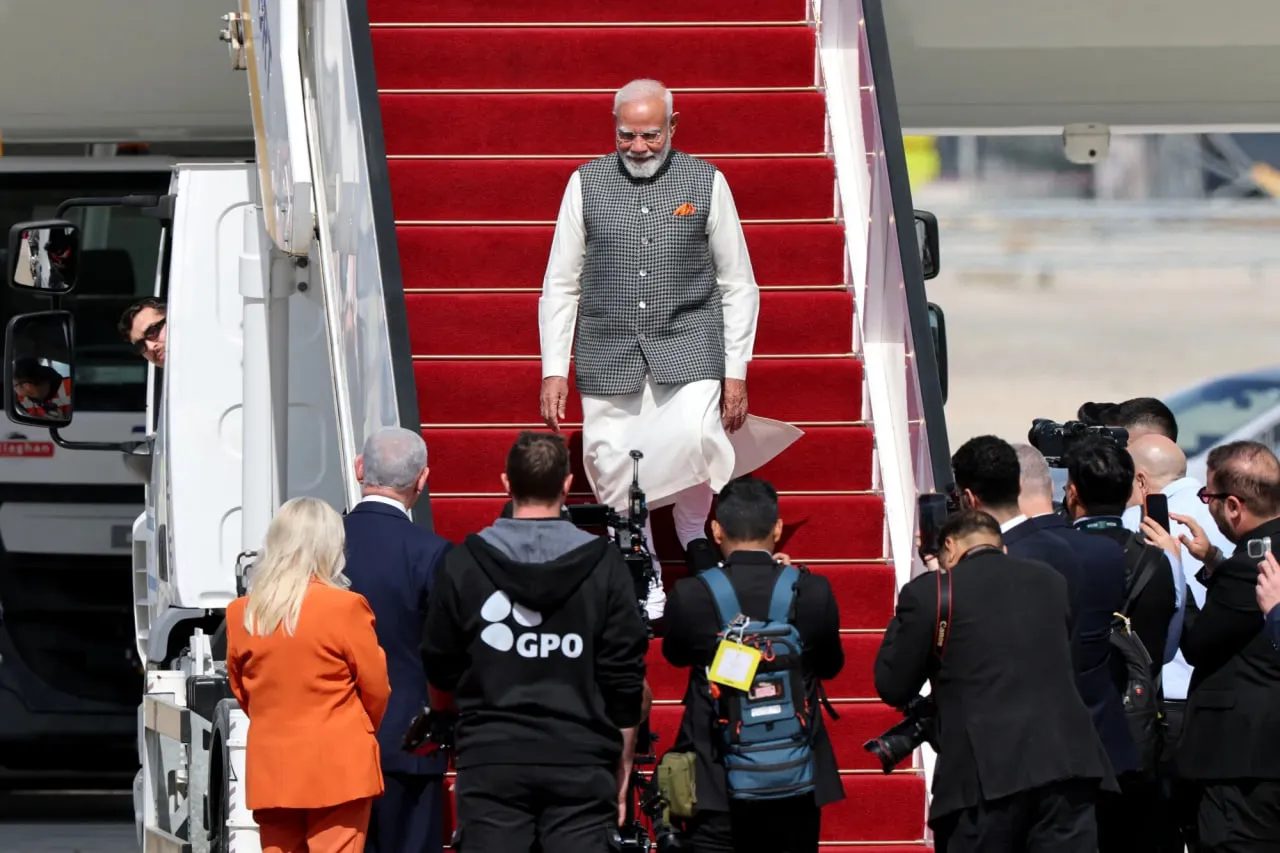
Nearly a month after the United States and Israel launched large-scale airstrikes against Iran, the BRICS nations have been unable to agree on a common position regarding the conflict. This diplomatic impasse has posed a serious challenge for India, which currently holds the group’s presidency.
Bloomberg reports on this.
Various BRICS member states found themselves on opposite sides of the front lines. Iran, which became a full member of the bloc in 2024, began firing missiles at the United Arab Emirates and Saudi Arabia in response to the U.S.-Israeli aggression. The UAE also joined BRICS in 2024, while Saudi Arabia is still considering an official invitation to join the bloc.
According to informed sources, Tehran has directly appealed to New Delhi to support a strong resolution condemning the U.S. and Israeli military campaign. The UAE and Saudi Arabia categorically disagree with such wording, while China and Russia are prepared to offer Iran unofficial support.
Dissatisfaction is growing within the bloc. BRICS’ current silence stands in stark contrast to the firm stance the group took in July 2025, when it unanimously condemned the U.S.-Israeli strikes on Iran and demanded the withdrawal of IDF troops from the Gaza Strip.
According to sources, BRICS diplomats have prepared at least three drafts of a joint statement on the conflict:
The Iranian draft. Tehran proposed a harsh text condemning the U.S. and Israel and demanding an immediate end to the aggression. This version was rejected. The UAE was the main opponent, stating that the document ignored Iran’s role as an aggressor shelling neighboring Arab countries.
The Indian compromise. New Delhi proposed a more neutral version—condemning civilian casualties and calling on the parties to exercise restraint. However, this resolution also failed to gain support and was blocked by the UAE.
Economic focus. A third, significantly softened version of the document is currently under discussion, focusing exclusively on the catastrophic consequences of the war for global energy markets.
This conflict has trapped India in a diplomatic dilemma. On the one hand, Prime Minister Narendra Modi maintains close ties with the U.S. and Israel. On the other, New Delhi has historically been close to Tehran and is critically dependent on oil and gas supplies through the Strait of Hormuz.
Amid the blockade of the strait, India became one of the few countries able to negotiate safe passage for its tankers with Iran. At the same time, India has strong economic ties with the UAE and other Gulf monarchies, where approximately 10 million Indian citizens work.
War with IranTriggers a Global Energy Crisis: Who Is Under Threat.
As a reminder, the U.S. Federal Reserve has warned that a protracted war with Iran could seriously weaken the economy. The main reasons are high oil prices and a decline in consumer spending. This could lead to a deeper recession than expected.
The U.S. is considering the option of a ground operation in Iran. The Pentagon is already preparing troops and deploying units to the Middle East. At the same time, no final decision on the deployment of forces has been made yet. President Donald Trump states that he currently has no plans to send ground troops.
