
Killer whales have begun attacking yachts in the ocean; scientists have found a way to scare them off
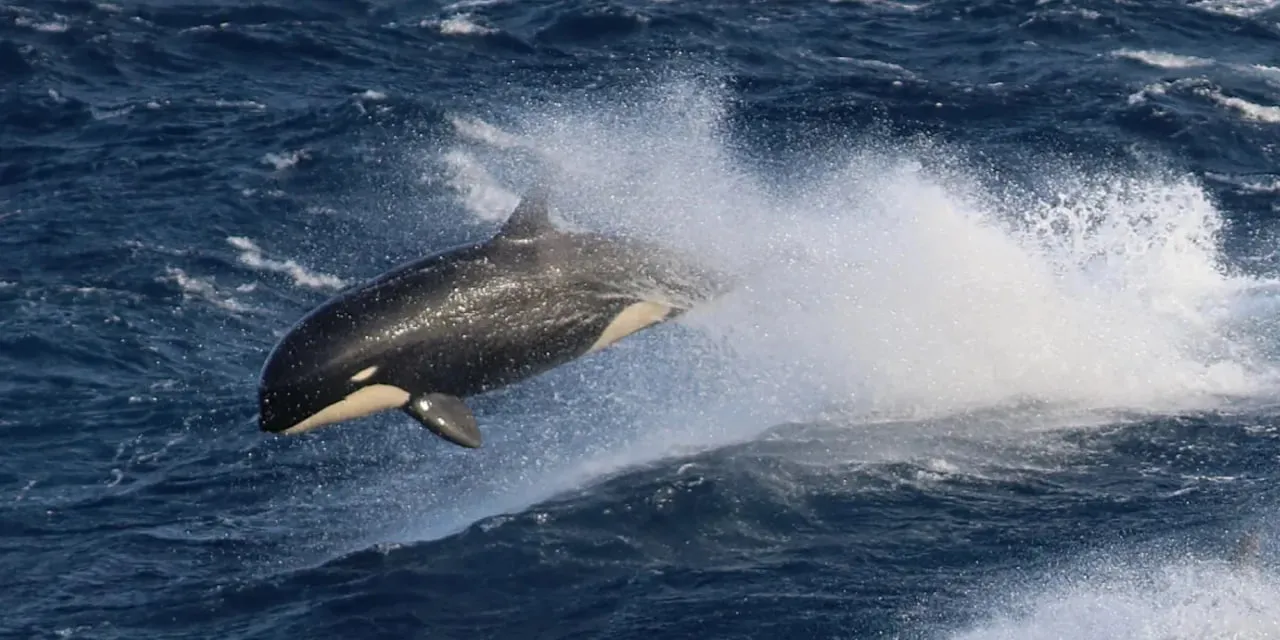
Over the past six years, there has been an increase in the number of attacks by orcas on vessels off the coasts of Portugal and Spain. Researchers are urging people not to try to retaliate against the animals, as orcas likely perceive boats as competitors and therefore attack them.
The incidents vary in nature: sometimes the whales simply chase tourist yachts in the open ocean, but in some cases their attacks have resulted in the sinking of vessels.
To date, scientists have not been able to determine the exact cause of this behavior in orcas. Some theories suggest that it is a form of play-based learning for the whales—training them to hunt other predators, such as great white sharks. In a new study, scientists sought to determine the cause of this behavior and how the whales might be deterred.
According to the study’s authors, since May 2020, there have been recorded instances of interactions between individual members of the Iberian subpopulation and vessels, including violent collisions, physical contact, the use of physical force to displace or destabilize vessel components, and bites to vessels. This has resulted in significant damage to hundreds of boats and the confirmed sinking of nine vessels.
It is known that all whales involved in attacks on yachts belong to a genetically distinct subpopulation of Iberian orcas. Since they are heavily dependent on Mediterranean bluefin tuna, and the population of this fish has declined due to commercial fishing, the whale population has also declined. It should be noted that Iberian orcas are currently classified as endangered—no more than 37 individuals remain in the wild.
During the study, scientists analyzed eight instances of whale-boat interactions between 2018 and 2025. Observations show that at least eight individuals were involved in each case—all of them were not merely curious but were actively searching for food and feeding. This led them to speculate that the whales may be attacking boats because they perceive them as potential competitors in the hunt for fish.
However, the scientists note that this theory should not be taken as a definitive conclusion, as there are still some inconsistencies. One thing is clear, though: it appears that orcas pass this behavior on to younger members of the pod, and thus, over time, it may evolve into a distinct cultural trait. Simply put, we shouldn’t expect this behavior to disappear, but we should find a way to mitigate it.
Unfortunately, as the number of orca attacks increases, so does the aggressive response from people—some use firecrackers or firearms to scare the whales away. However, scientists insist that such actions will, in fact, only attract the orcas’ attention and make them more aggressive.
IFLScience reports on this.
As a reminder, August 14, 2026, is World Orca Day: interesting facts and threats to these animals.
In Spain, authorities are investigating a possible shooting of an orca in the Strait of Gibraltar.


