
BRICS countries in India agree to expand settlements in national currencies — South China Morning Post
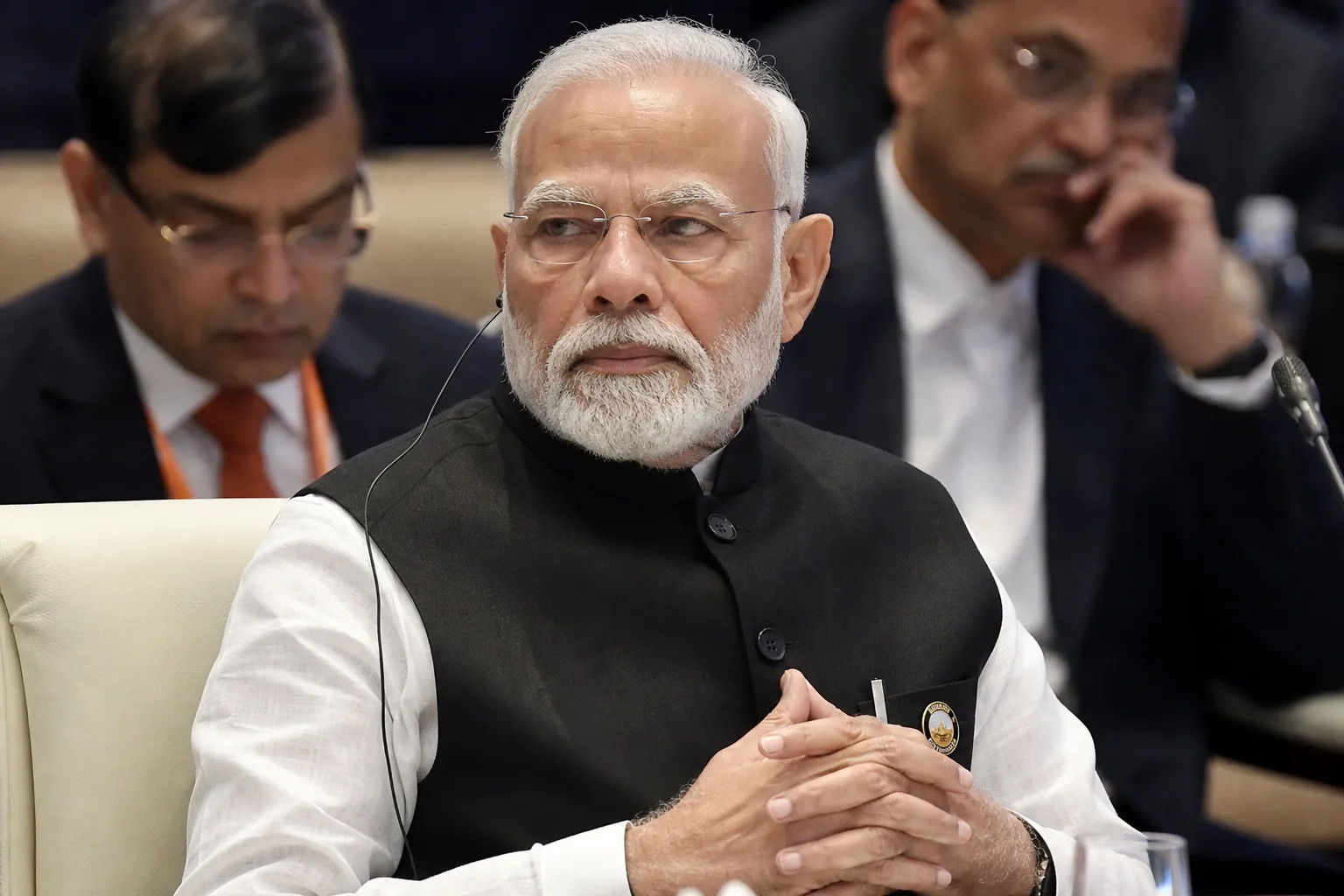
In New Delhi, India, the BRICS countries unanimously adopted a declaration providing for the expansion of trade and settlements in national currencies. The document, titled the “New Delhi Declaration 2026,” was approved on the first day of the grouping’s 18th summit. Indian Prime Minister Narendra Modi said after a closed meeting that none of the participating states had objected to the text.
As reported by the South China Morning Post, the 45-page declaration states that the BRICS Payments Working Group studied the interoperability of cross-border payment channels and messaging systems. The group also discussed the use of local currencies for trade settlements and investments.
Payment mechanisms
Summit participants instructed the working group to continue work on payment mechanisms that should be fast, low-cost, more accessible, efficient, transparent and secure. At the same time, the declaration emphasizes that there is no universal approach to such settlements and that national priorities of states should be respected.
In his opening remarks, Modi said that BRICS “is not directed against anyone.” US President Donald Trump had previously threatened the grouping with 100-percent tariffs if it “plays games with the dollar,” the publication notes.
More current news is available on the UA.News Telegram channel Telegram.
Tariffs and sanctions
The declaration mentions neither Trump nor the United States, but its authors expressed serious concern over the growing use of unilateral tariff and non-tariff measures which, in their view, distort trade and are inconsistent with World Trade Organization rules. The document also warns that indiscriminate tariff increases and protectionist measures, including under environmental pretexts, threaten global trade and supply chains.
The BRICS countries condemned unilateral coercive measures, including unilateral economic and secondary sanctions, calling them contrary to international law and urging their abolition. Separately, the declaration contains objections to unilateral punitive, discriminatory and protectionist measures, including carbon border charges.
According to the publication, the wording on the conflict in West Asia, whose parties include BRICS members Iran and the United Arab Emirates, was coordinated until the morning to make it acceptable to all participants. Experts interviewed by the South China Morning Post called the declaration a compromise document reflecting diverging interests within BRICS.




