
Criminologist Mofokeng says South African police need better protection off duty
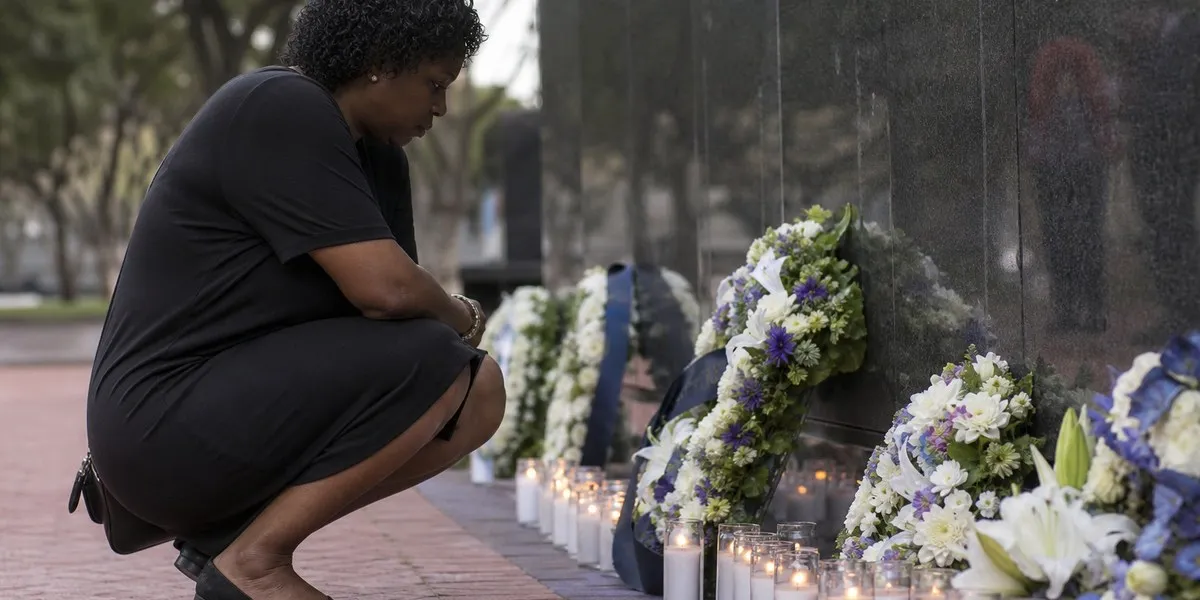
In South Africa, criminology professor Jacob Tseko Mofokeng said there is a need to strengthen the protection of police officers, particularly those who become targets of criminals while off duty. In a column for TimesLIVE, he stated that, in his view, the country pays more attention to honoring fallen law enforcement officers than to preventing their murders.
Risks off duty
The author draws attention to the fact that official statistics on officers killed in the line of duty do not reflect the full scale of violence against police. According to Mofokeng, historically, a significant share of law enforcement officers killed in South Africa were murdered while off duty — on their way home, in shops, near their families, or in their own homes.
The criminologist believes that such murders were often directly connected to police officers’ work. Criminals, in his assessment, may know where law enforcement officers live and what role they play in maintaining law and order. He also suggests that motives for attacks may include revenge after an arrest or attempts to seize service weapons.
More current news is available on the UA.News Telegram channel Telegram.
Living conditions
In Mofokeng’s view, lower-ranking law enforcement officers are particularly vulnerable. Due to limited salaries, insufficient risk allowances, and economic circumstances, they may be unable to live in safer areas located away from the territories where they work. As a result, some police officers return after duty to communities with high crime rates, where the same criminal networks may operate.
The author notes that residents’ fear, distrust, and silence often hinder the provision of information to law enforcement about illegal weapons, organized crime, and possible threats to police officers. He emphasizes that the death of a law enforcement officer means the loss of experience, institutional knowledge, and the state’s capacity to maintain order, as well as a tragedy for families and communities.
Mofokeng is a professor of criminology at Unisa and a recipient of the UNESCO Chair distinction for contributions to human rights and global solidarity. TimesLIVE noted that the views expressed in the column are his personal position.


