
A Soviet-style resort has become the summer residence of Chinese leaders
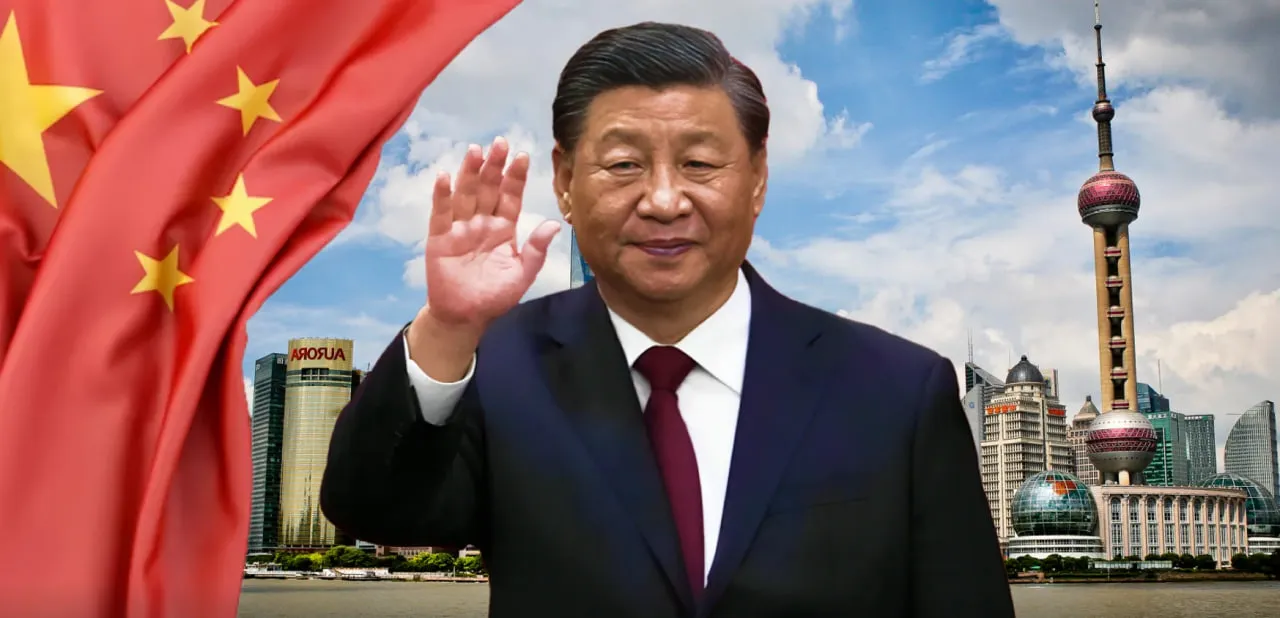
In China, political leaders traditionally spend their summer vacations not at popular overseas resorts, but in the closed seaside town of Beidaihe. This resort, located about 300 kilometers from Beijing, has long been considered a vacation spot for the top leadership of the Communist Party of China, including Xi Jinping.
Beidaihe is distinguished by its vacation homes and architecture reminiscent of Soviet resort complexes. Although the town is open to ordinary tourists, certain areas are used for informal meetings and vacations by the Chinese political elite, which is why the resort is often called one of the most exclusive in the country.
The annual vacation of China’s leaders is shrouded in secrecy—it is not known exactly which day they will arrive in the city, but security measures begin to tighten in early July. The use of drones is prohibited, and visitors are not allowed to take hot-air balloon rides or private boat trips along the coast.
Then, sometime in early August, as if on cue, Chinese leader Xi Jinping and some of his closest aides disappear from public view.
No official statements are made, but according to publicly available information, China’s top leadership goes on vacation, which lasts between 10 and 14 days. During this time, they generally do not appear in public, except in cases requiring decisions at the national level, such as natural disasters.
Beidaihe is dotted with gray, Soviet-style villas, many of which are adorned with red signs bearing names like “workers’ sanatorium.” Pebble paths wind through the town, leading to a coastline of soft, golden sand. Umbrellas line the beach, and in neon-lit restaurants, guests seated on simple white plastic chairs are served fresh seafood.
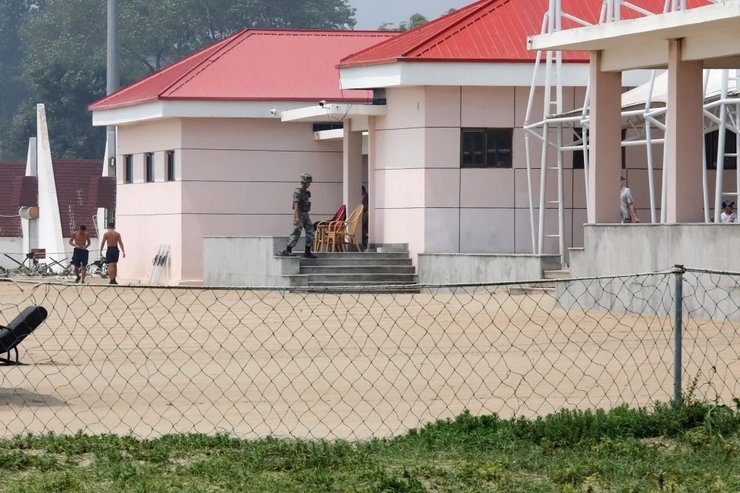
Rana Mitter, a renowned historian of modern China, noted that the low-key choice of destination reflects Xi Jinping’s broader message that people should demonstrate humility and modesty, recognizing their role within the party.
“They don’t want to give the impression that they’re gathering at some posh place where corruption might occur. A trip to a traditional, modest resort is a good way to symbolize this, whereas a trip to a five-star hotel in Hainan or some international hotel in the Caribbean is unlikely to have the same effect,” Rana noted.
The Beidaihe resort has been popular among Chinese leaders since as far back as 2000
The annual summer trip by party leaders to Beidaihe dates back to 1953, when Mao Zedong, the founding father of communist China, chose this seaside town as a summer work location for top leaders.
Mao was known for his love of swimming in the open sea. In those days, air conditioning did not yet exist, and even fans were a rarity during Beijing’s sweltering summers.
Thanks to its proximity to the capital, Beidaihe became the ideal vacation spot for Chinese leaders. It was here in 1958 that Mao decided to mobilize the entire country to achieve production targets. This meeting ultimately led to the catastrophe of the “Great Leap Forward,” which resulted in the deaths of millions from starvation.
Trips to Beidaihe were suspended during the subsequent ten-year Cultural Revolution but resumed after Mao’s death in 1976. Deng Xiaoping, China’s supreme leader after Mao, was known for taking his family to this city on vacation. Deng also opened Beidaihe to foreign tourists in the 1980s, as China was in dire need of foreign currency.
CNN reports on this.
Xi Jinping has ordered the Chinese military to accelerate the development of drones and AI.
Xi Jinping made a sensational statement regarding the takeover of Taiwan.
China has rejected accusations that it is training Russian military personnel.
Earlier, China responded to the strike on the Kyiv-Pechersk Lavra.


