
The leader of Transnistria has approved new rules for obtaining a Russian passport
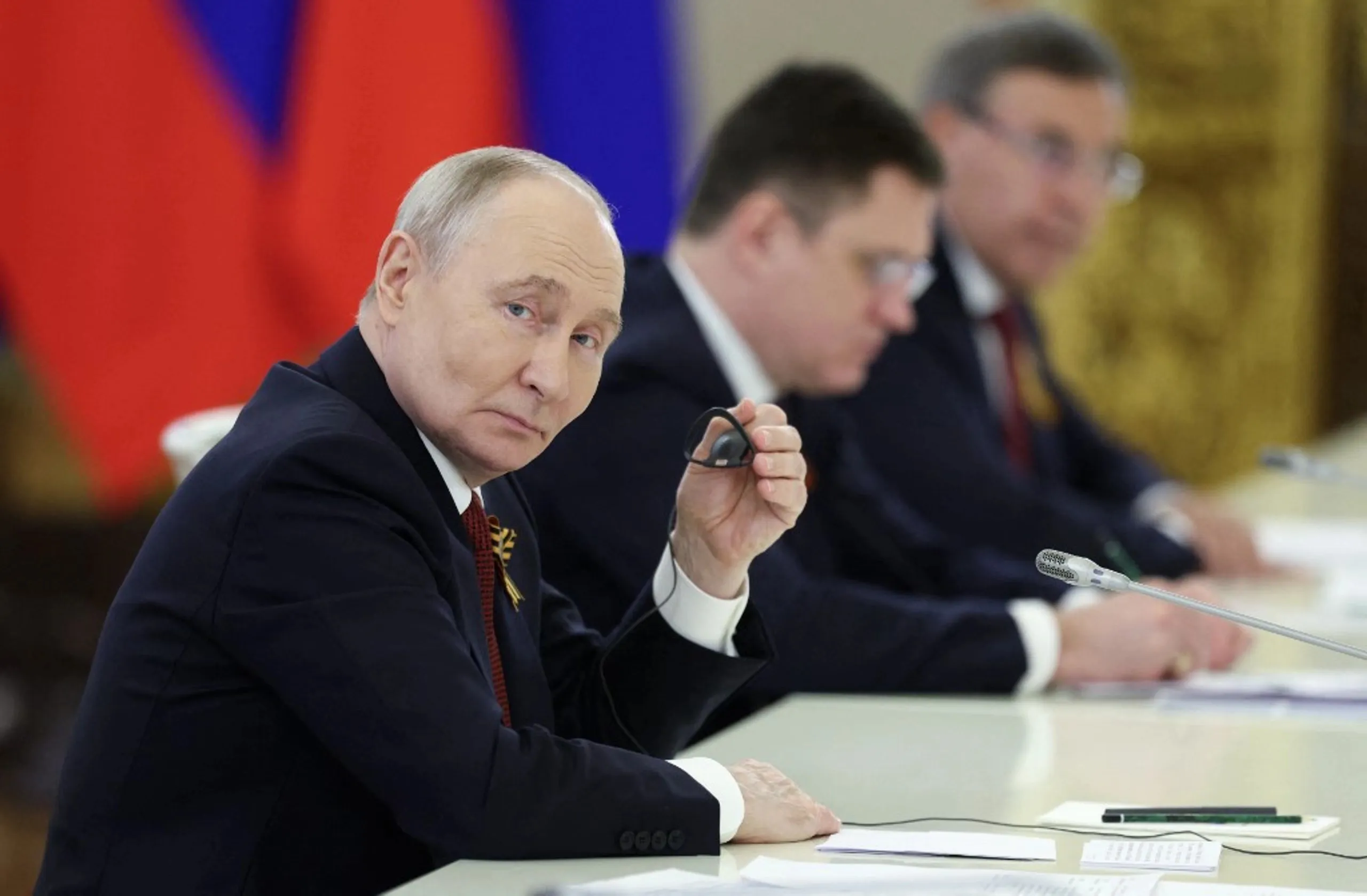
Vadim Krasnoselsky, the leader of the unrecognized region of Transnistria, thanked Russia for simplifying the procedure for obtaining citizenship for residents of the region. In Tiraspol, this decision was described as “humanitarian.” There were also calls not to prevent people from choosing their citizenship. This was reported by Newsmaker.
The leader of unrecognized Transnistria, Vadim Krasnoselsky, publicly thanked the Russian authorities and President Vladimir Putin for simplifying the procedure for obtaining Russian citizenship for residents of the region, stating that this decision has “humanitarian significance” and is in the interests of the local population.
Reports indicate that Krasnoselsky viewed Moscow’s move as a “demonstration of understanding of the situation” and emphasized that, in his words, residents of Transnistria should not be prevented from making a “voluntary choice” of citizenship. “For understanding the situation and this humanitarian decision,” reads the text of the message of gratitude conveyed to the Russian side.
He also called for no obstacles to be created for obtaining Russian passports, stressing that this is a matter of the “free democratic choice” of people living in the region.
Moscow’s decision to simplify the citizenship process had previously drawn attention in Moldova and beyond, as it could impact the political and security situation in the unrecognized region.
Deputy Commander of the Third Army Corps Maksym Zhorin stated that, in his opinion, Ukraine is capable of conducting a military operation to de-occupy Transnistria. He believes that Russia currently lacks sufficient resources to rapidly deploy forces to the region, which, he said, creates favorable conditions for such a scenario.
On the night of May 17, a number of Russian military-industrial complex and energy facilities were struck in Moscow and the Moscow region. Strikes were carried out on an oil depot in Durikino, an oil refinery in Kapotnya, the Angstrom microelectronics plant, and the Raduga Design Bureau, which develops cruise missiles.
On the morning of May 16, Moscow also came under attack by drones, causing airports in the Russian capital to temporarily suspend operations.
The “ATESH” partisan movement claimed responsibility for a sabotage operation in the Moscow region, which disrupted the functioning of elements of the Russian air defense system on the outskirts of the capital.


