
Peace between the U.S. and Iran could be delayed by six months
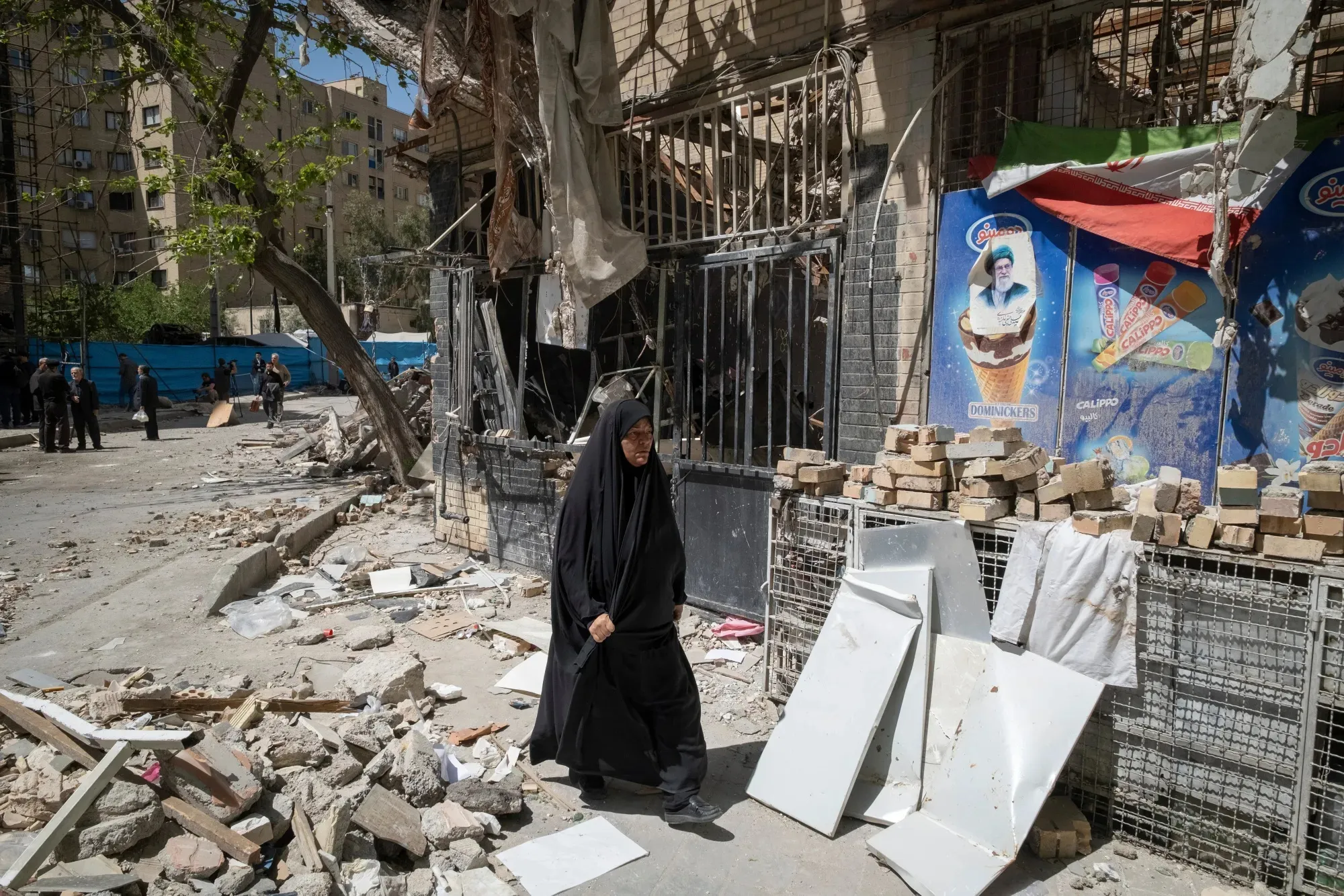
According to estimates by Arab and European leaders, reaching a peace agreement between the U.S. and Iran could take about six months, and they are proposing to extend the current ceasefire for that period. Amid the negotiations, Gulf countries are insisting on the opening of the Strait of Hormuz and warning of the risks of a global energy and food crisis. At the same time, they support a diplomatic solution and oppose the resumption of hostilities. This is reported in a Bloomberg article.
Leaders of the Gulf states and European nations believe that a quick peace agreement between the U.S. and Iran is unlikely, and the process could drag on for about six months. In this regard, in private discussions, they are proposing to maintain the ceasefire to prevent further escalation.
One of the key issues remains the Strait of Hormuz, through which a significant portion of the world’s energy supplies passes. The agency’s sources note that countries in the region are insisting on its immediate reopening, warning that a delay could trigger serious problems in global markets, including the risk of a food crisis.
Additionally, according to officials, Gulf states are convinced that Iran continues to pursue a nuclear weapons program, and this assessment has not changed even after the recent strikes by the U.S. and Israel. In this context, they believe that any potential agreement must include strict restrictions—in particular, a ban on uranium enrichment and the development of long-range ballistic missiles.
Despite their hardline stance on Iran, countries in the region oppose further military escalation. They are urging Washington to continue diplomatic negotiations, viewing them as the only realistic path to stabilizing the situation, even if the process takes significantly longer than previously expected.
U.S. President Donald Trump also stated that the first meeting in a decade between the leaders of Israel and Lebanon could take place as early as April 17. According to him, the U.S. is acting as a mediator in these talks.
U.S. Defense Secretary Pete Hagset also stated that American troops in the Middle East are ready to resume combat operations if Iran does not agree to a peace deal.
As a result of the Israeli strike, the Qasimiyeh Bridge, which connected southern and northern Lebanon, was severely damaged. This has complicated the delivery of humanitarian aid and effectively cut off part of the population.
The U.S. stated that it would use force against ships attempting to circumvent the blockade of Iran.
Israel stated that it had eliminated two armed individuals in the northern part of the Gaza Strip.
At least two Iranian tankers managed to pass through the Strait of Hormuz, likely using a detour route despite U.S. surveillance.


