
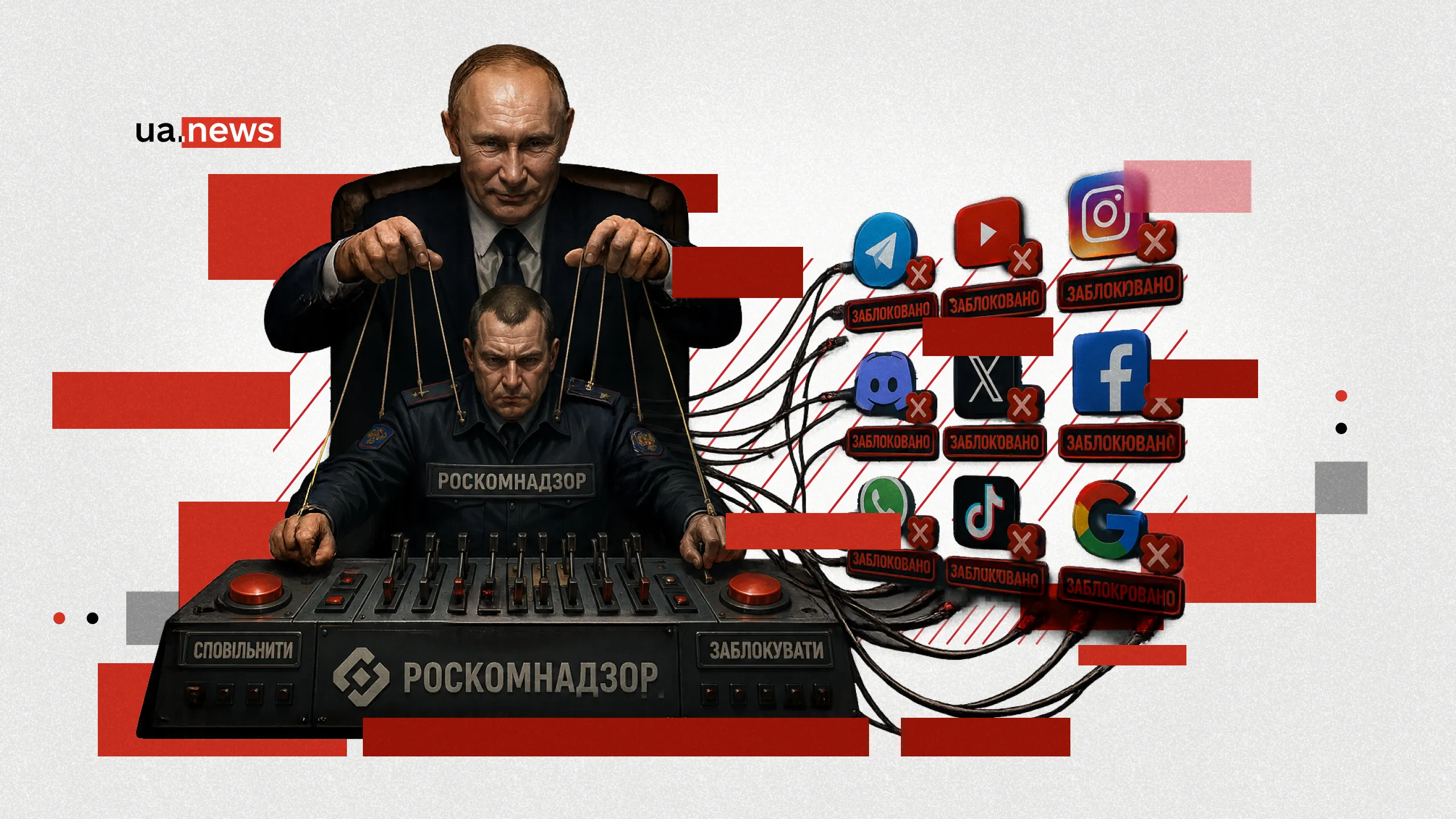
“A digital noose tightening before our very eyes”—this is perhaps the most accurate description of what is happening to the internet in the Russian Federation today. In Ukraine’s media landscape, this topic is rarely discussed, and many people are not even aware of what is currently unfolding in the aggressor nation. The reality is that without a VPN, there is practically no internet in major Russian cities, but even VPNs are increasingly turning into a helpless icon in the corner of a smartphone screen. First and foremost, mobile internet is being “shut down”: communication towers are being jammed. Home, i.e., wired internet is also under attack: YouTube and other Western platforms slow down significantly, news sites go down, and even resources far removed from politics stop loading. Russian authorities are methodically locking the population into so-called “whitelists of sites,” leaving only approved portals.
The scale of this phenomenon gives pause for thought: is this preparation for something specific, or simply the death throes of an old system that is finally losing touch with reality? What lies behind this decision by the Kremlin? Why, right now, in the fifth year of the great war, has the pressure on the internet become so total? The answer is not simple; it lies in a complex intertwining of fear, “protective” logic, and the internal degradation of Putin’s system itself. UA.News political analyst Mykyta Trachuk examined the issue.
Theories and Speculation: From Mobilization to the End of the War
Numerous theories are circulating about the reasons behind the “crackdown on the internet,” and each has a right to exist—at least until the Kremlin provides a clear answer. However, Putin recently spoke publicly and commented on the situation. In short: “everything is fine” and will continue that way. The reason is “security measures,” period.
The first version, the most obvious to the average person, is preparation for a new wave of mobilization. In a situation where information about assembly points, patrol routes, or raids near the metro spreads instantly through Telegram channels, the state seeks to cut off these communications in advance. A disabled mobile internet will prevent men of draft age from being quickly warned of danger, will prevent the coordination of spontaneous protests, and so on. In this sense, the shutdown of cell towers may appear as a preemptive strike against the pitiful remnants of civil society in Russia.
The second version is diametrically opposed: blocking the internet is necessary not to start something new, but to “gracefully” conclude the old. Proponents of this theory believe that in the event of a hypothetical freezing of the conflict or an attempt to conclude some kind of peace agreement, the Kremlin will need complete information silence. A society accustomed to victory narratives must not see any compromises that could be interpreted as betrayal. Total control over the internet in such a situation becomes a tool to prevent an outburst of discontent among “Z-patriots,” who for years have been fed promises of “Kyiv in three days” and similar rhetoric.
There is also a third scenario, the most alarming for the outside world: preparations for a new war—for example, against EU and NATO countries (such as the Baltic republics). In this context, the internet could be shut down to conceal troop movements, protect military logistics from enemy OSINT reconnaissance, and ensure a level of secrecy that was completely absent in February 2022. In this paradigm, every complaint from a resident of Krasnodar or Moscow about the absence of YouTube or a very slow Telegram is a side effect of a major military game that is only gaining momentum.
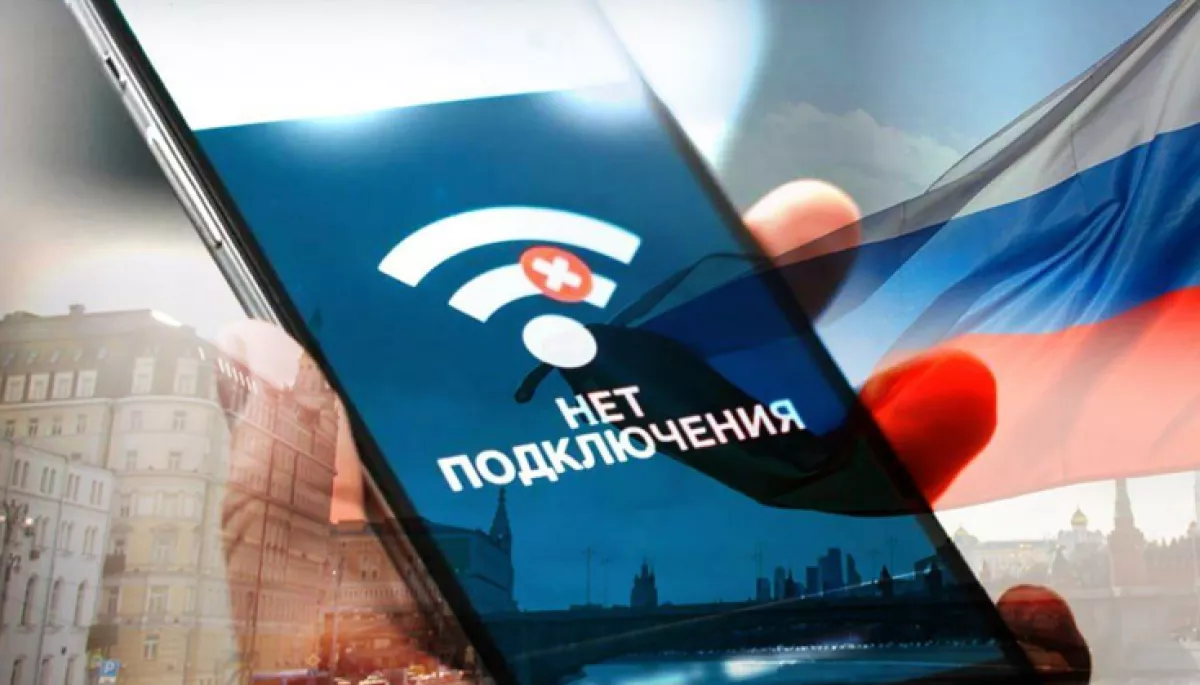
“The Good Tsar and the Bad Boyars”: Why Political Tactics Cracked
For some time, another, slightly more sophisticated version circulated among Russians: the blocking is not so much a technical or military necessity as it is a cunning political maneuver by the Kremlin. The idea was that the “bad boyars”—represented by Roskomnadzor, the FSB, and the Ministry of Digital Development—are blocking the public’s favorite services because they are, well, just that bad. But there is the “good tsar” Putin, who, upon learning of this terrible tyranny, will address the people and personally “sort out” the situation, restoring YouTube and Instagram to the public. This scheme is not new, and in the past, the Kremlin regularly resorted to such political tactics.
However, this time it’s different. The Russian dictator recently commented on the blocking situation personally and without any ambiguity. No “I’ll look into it” or “I’ll have it checked”—the Russian president directly stated that the slowdown of services and access restrictions will continue: this is being done in the classic, KGB-style manner—“for security reasons.”
Thus, the myth of the “benevolent tsar” has crumbled completely. Putin not only knows full well what is happening, but is also the primary beneficiary and instigator of this process. This came as a rude awakening for those who still harbored the strange illusion that the Russian president was unaware of his country’s total disconnection from the global internet.
For Moscow residents (and that’s over 13 million people), what is happening across the country today is nothing new. A tradition has existed in the Russian capital for many years: every time the May 9 parade takes place, half of Moscow is left without stable mobile service, or even without any service at all. The military and security services jam the signal within a radius of many kilometers from the center in order, as they claim, to secure the event. For years, this was an annoying but localized and short-lived inconvenience, a sort of ritual to which Muscovites had grown accustomed. But what we are seeing now is the spread of the “parade experience” across all of Russia on a 24/7 basis.
The geography of complaints about poor internet is spreading like a tumor. Reports from Krasnodar indicate persistent problems accessing international servers—it’s as if the city is being cut off at certain times. In St. Petersburg, users are reporting widespread glitches in messaging apps that were working relatively stably just six months ago. Bryansk, located a few dozen kilometers from the border, is experiencing near-constant disruptions—and this could still be explained by military needs. But when residents of Arkhangelsk, thousands of kilometers away from any front lines, report signal jamming, it becomes clear: this is not a tactical local necessity, but a systemic decision covering the entire Russian Federation. Russia is being methodically transformed into a state where communication is not a right, but a privilege.

The Kremlin’s Iran Syndrome
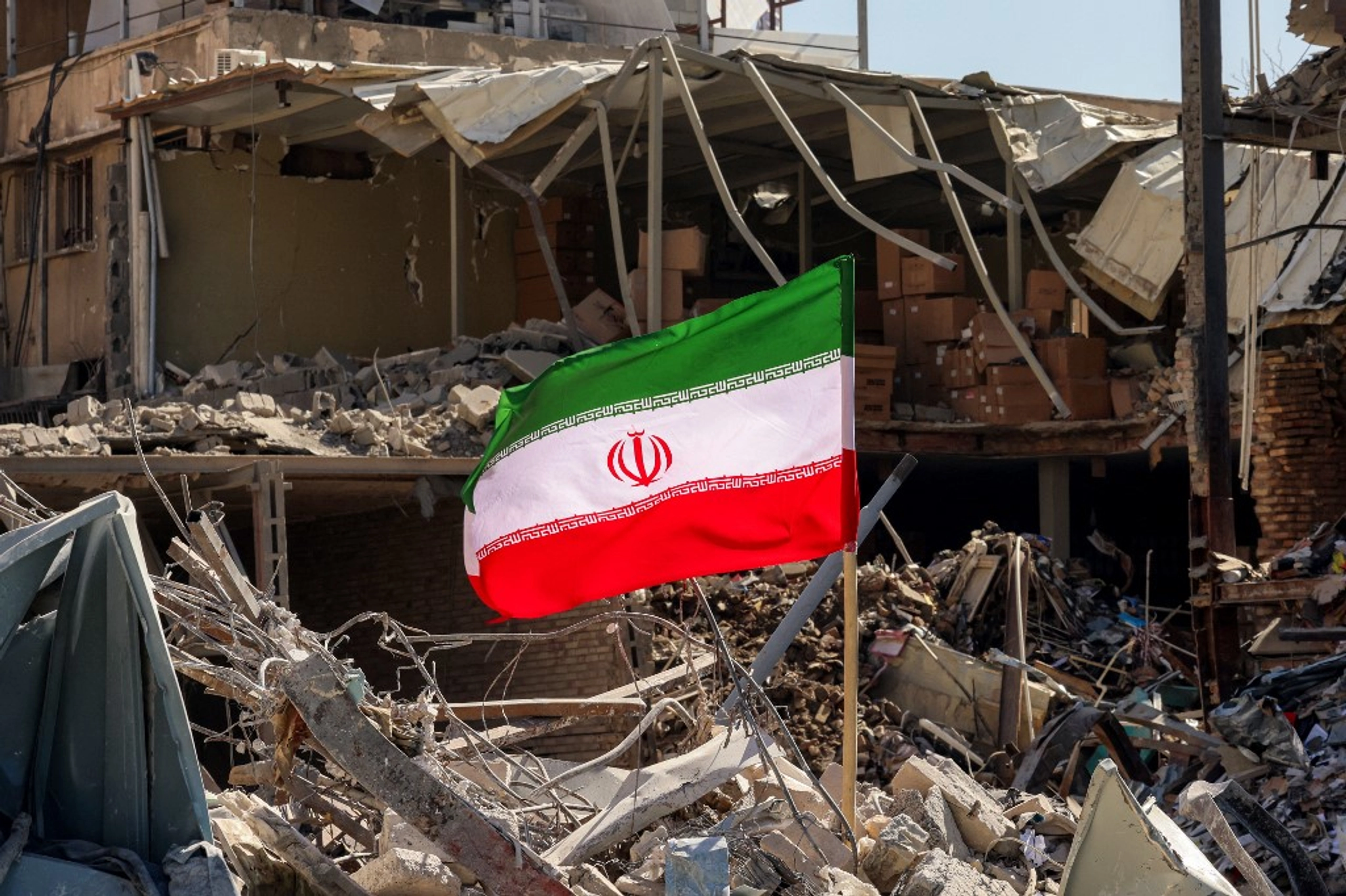
To understand the underlying motive behind such radicalization, one must look at events unfolding thousands of kilometers from Russia’s borders—specifically, the situation in Iran. It is the Iranian experience that has become both a nightmare and a cautionary tale for Russian security forces. To begin with, it is worth recalling the waves of protests that periodically rock the Islamic Republic: each time, the protesters coordinated their actions via social media and messaging apps.
But the real shock in the Kremlin apparently occurred after Iran found itself in a state of direct war with Israel and the United States. According to available data, prior to the first massive bombings, Israel managed to connect to surveillance cameras right in the center of Tehran through its cyber units. The enemy spent months studying the city, the movement of troops and motorcades, observing the Iranian capital through the eyes of the Iranians themselves. The culmination of this digital failure was the assassination of Supreme Leader Ali Khamenei by a precision airstrike on the very first day of the active phase. The target’s location was likely pinpointed precisely because of data leaks over the network.
For Putin and his inner circle, who think in terms of personal security and total betrayal everywhere, this was an alarm signal louder than any intelligence report. A system accustomed to seeing a threat in everything that does not submit to its total control drew the only conclusion possible for itself: the internet is an enemy technology that causes nothing but problems. And if this force of nature cannot be fully controlled, it must be destroyed or at least isolated as much as possible.
In reality, the crux of the problem is that looking for a single, rational reason—whether it be mobilization, preparations for war with NATO, or the Iranian experience—is a trap. We are trying to ascribe logic and rationality to a system that is utterly illogical and in a state of permanent decline. These blockades are not being imposed for any specific reason—they are being done simply because this is the inherent nature of Putin’s regime. Anything that is not under control must be destroyed or brought under complete control. By and large, this is simply another stage in the radicalization and aging of Vladimir Putin’s regime.
The regime in Russia has always viewed the internet as a threat. Even in the early 2010s, when Putin called the global network a “CIA special project,” his line of thinking was already clear. This is literally an illustration of the well-known saying that a bee always sees flowers, while a fly sees only dung. An old KGB officer who doesn’t use modern technology at all will never see opportunity, progress, or the future in the internet. He will see there only a “CIA special project” and a source of threat.
Since then, the paranoia has only grown. Today, we are witnessing its extreme, exaggerated form. The events in Iran became the trigger that accelerated processes that were already underway. Russian intelligence agencies (primarily the FSB) realized that in the context of modern warfare, an unprotected internet in the rear is like voluntarily leaving the gates open. And then the familiar logic of the security officials at the helm of the state kicked in. These are people of the same psychological type as Putin: stubborn, deeply paranoid, suspicious, seeing treason, conspiracy, and sabotage in everything. They know no half-measures: if they’re going to jam it, they jam it all; if they’re going to break it, they break it completely.
All these blockades aren’t carried out by technocrats or political strategists who calculate the economic costs or the convenience for the population. This is the work of security officials, whose basic instinct is isolation and “protection.” And they simply start blocking everything in sight, regardless of the fact that this infuriates even completely apolitical Russians, destroys businesses, and makes life in the country even more unbearable. Not to mention that federal elections are scheduled to take place in Russia this fall, where they’ll need to fabricate some kind of result for the “United Russia” party, which, it seems, no one supports anymore.
But there’s another key nuance in this situation. Vladimir Putin has long been “living in a bubble, oblivious to the country around him.” He is so detached from reality that the public’s frustration is not a factor for him. He simply doesn’t think about it. On one side of the scale lies the comfort of millions of citizens who want to watch videos on YouTube, and on the other—his personal peace of mind and security. The choice, in fact, is obvious.
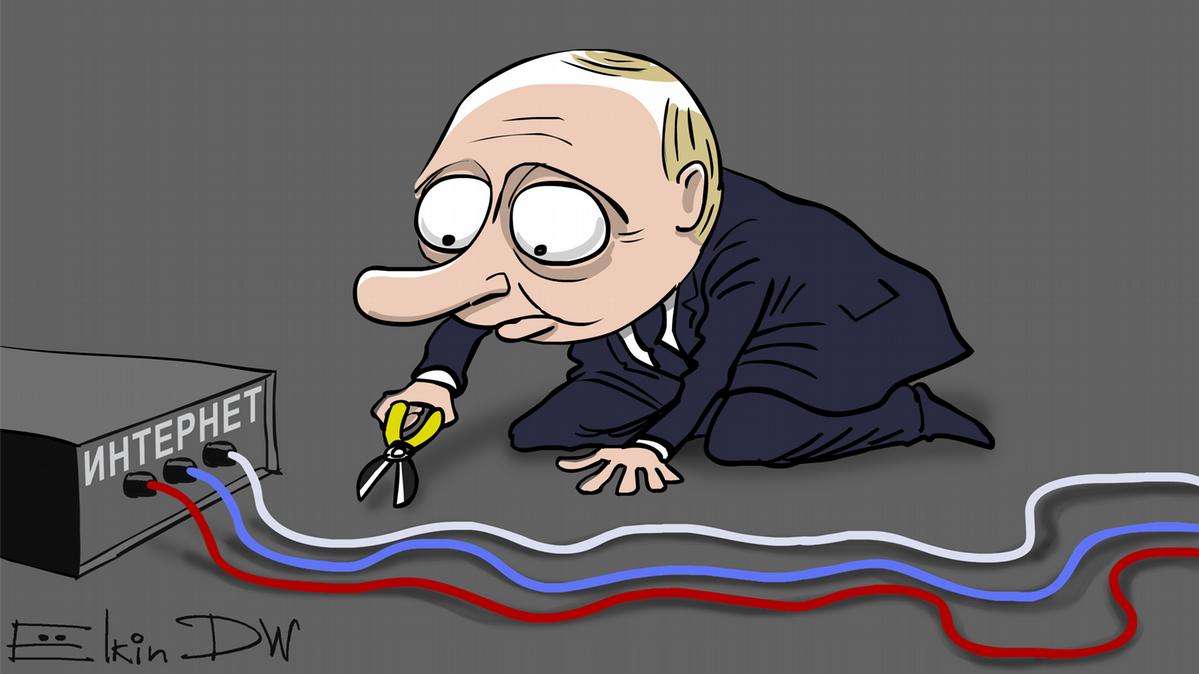
To sum up, what is happening today with the Russian internet is not just some “temporary inconvenience.” It is a state policy coordinated and planned at the highest level. A system run by paranoid security officials is finally closing in on itself, and this process can no longer be hidden or explained in ideological terms. Sooner or later, the ground will burn beneath the feet of Putin’s regime—not only in the trenches on the front lines in Ukraine, but also within the country, where Russians are being deprived of their last breath of fresh air.
The logic of a system striving for total control leads in only one direction—toward a complete rupture with reality and the interests of ordinary people. And in this reality, where “good Tsar” Putin has turned out to be the chief killer of the normal internet, there is simply no hope for a peaceful way out of this dead end and a “return to normal.” The digital noose has been tightened.


