
Moldova has achieved energy independence from Transnistria
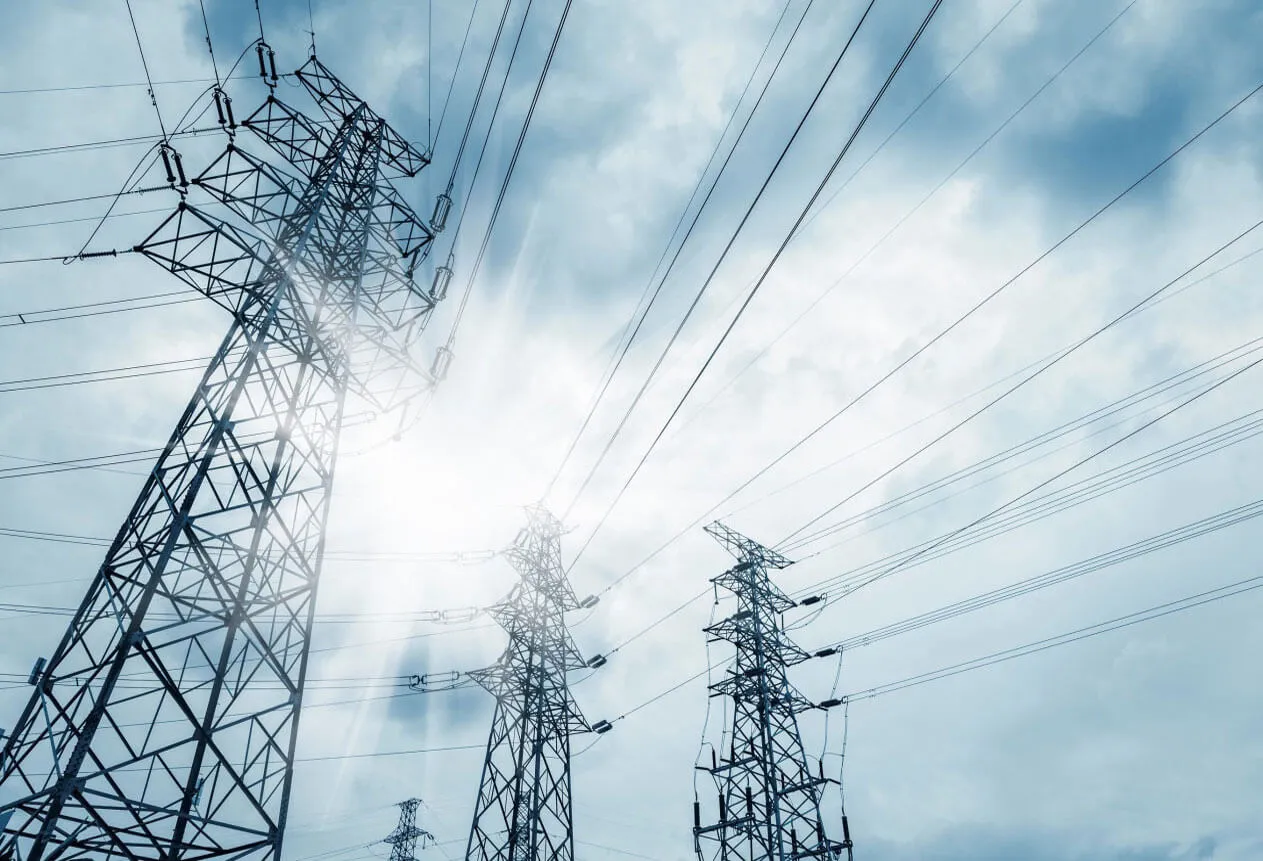
In Moldova, construction and energy companies have fully completed the technical and construction work on the 400-kV “Vulcanesti-Chisinau” high-voltage power line. The new infrastructure will allow the country to import electricity directly from Romania and other European markets, bypassing MoldGRES, which is located in the Russian-controlled Transnistria region.
The project, funded by the World Bank and costing 61 million euros, is strategically important for Chisinau, as the transmission line will be able to carry up to 630 MVA of electricity, covering more than 50% of the country’s needs during peak periods.
Equipment testing has already begun at the Chisinau substation, coordinated with transmission system operators in neighboring countries to ensure safety. In addition, Moldovan authorities are already planning the construction of another power transmission line to Romania—the “Bălți–Suceava” line—with a completion date set for the end of 2027, when Moldova’s electricity market is expected to be fully integrated with the EU, thereby eliminating dependence on vulnerable transit through Transnistria and the interconnector with Ukraine.
This was reported by the state news agency Moldpres, citing a statement by the country’s Minister of Energy, Dorin Junghiu, who noted that the line is expected to enter commercial operation by the end of August 2026.
Moldova will send Russia a demand for reimbursement of 20,000 euros (about 500,000 lei) for repairs to the Isaccea–Vulcănești power line.
On March 24, the Moldovan Cabinet of Ministers approved the declaration of a 60-day state of emergency in the energy sector due to Russia’s attacks on Ukraine.


