
Soft coral collapse recorded off Jeju, situation may worsen
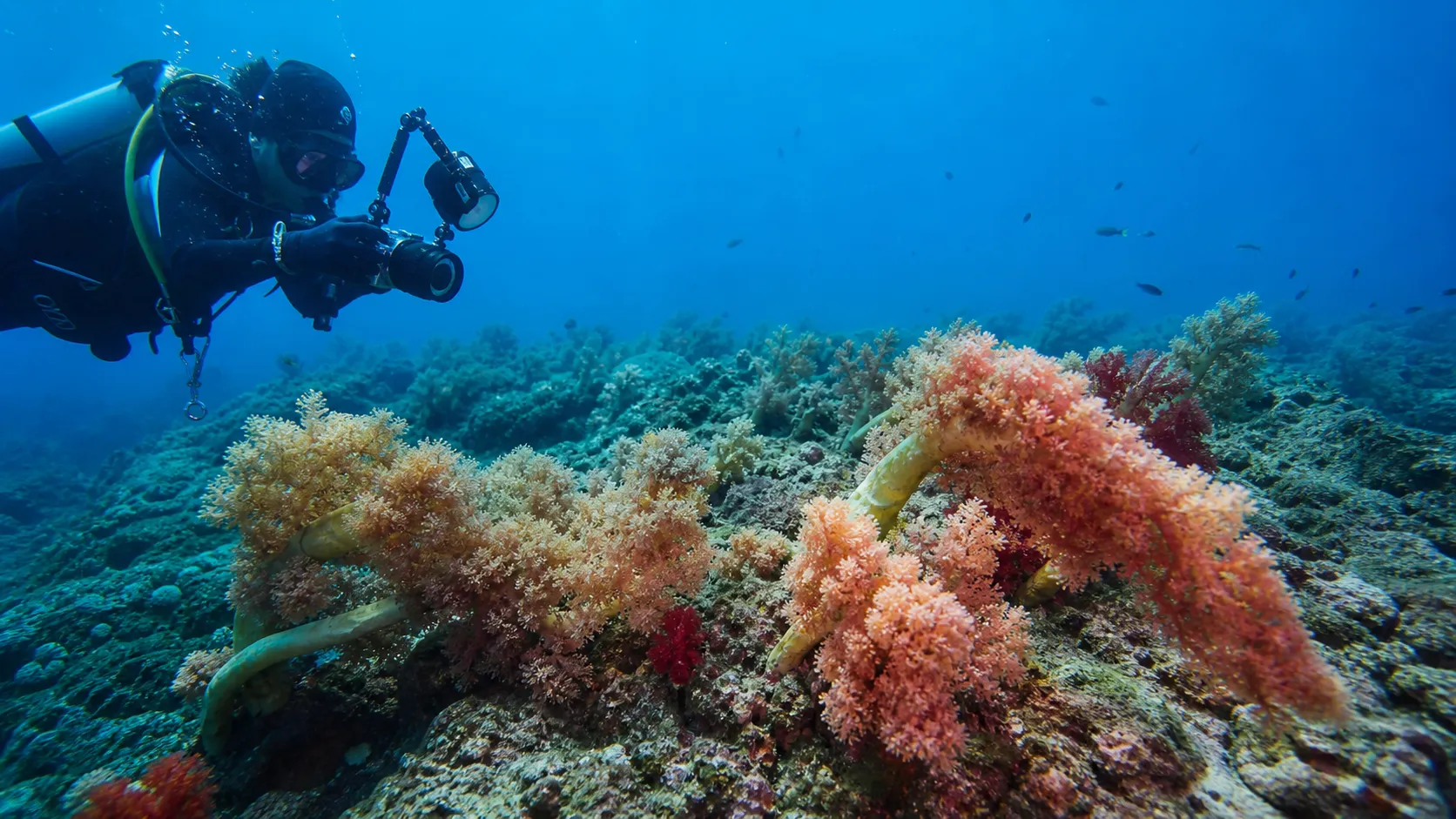
Soft coral collapse is again being recorded near South Korea’s Jeju Island: about half of one colony near the uninhabited islet of Beomseom has been in poor condition in recent months. This was reported by Asharq Al-Awsat, citing the Paran Ocean Citizen Science Center, whose participants monitor corals around the island.
Collapse means that corals lose their ability to remain upright, tilt or fall over. Unlike hard corals, which have a rigid calcium carbonate skeleton, soft corals maintain their shape through internal fluid pressure. Changes in environmental conditions can disrupt this mechanism.
Similarity to the situation in 2024
Researcher Kim Tae-hoon of the Korea Institute of Ocean Science and Technology said the current situation resembles the events of 2024. He and his colleague Anna Beate Jost first documented the collapse of Jeju soft corals in 2024 in an article published in May in the journal Scientific Reports.
According to Kim, repeated large-scale collapse incidents may weaken corals’ ability to recover. Following partial recovery, parts of the corals may break off and deteriorate again. The scientist called for regular, quantitative monitoring of coral losses, citing a lack of research support.
More current news is available on the UA.News Telegram channel Telegram.
Korea’s Cultural Heritage Service, which oversees coral colonies designated as a national monument, said it is monitoring the situation this year and will continue long-term research into the causes of the changes. South Korea’s Ministry of Oceans and Fisheries plans a detailed study to assess the extent of the damage.
Possible factors
Kim Tae-hoon warned that the situation could worsen if high water temperatures persist until September. He also noted that the El Niño weather phenomenon could cause typhoons and heavy rainfall.
Coral researchers cite marine heatwaves, extreme weather conditions and inflows of water from China’s Yangtze River, which may affect sea salinity, as possible factors in the collapse. According to meteorological authorities, over the past decade marine heatwaves around the Korean Peninsula have become nearly four times longer, reaching 83.3 days.
Soft corals are an important foundation of Jeju’s marine ecosystem. Their communities are located in the Jeju Island Biosphere Reserve, which is part of the UNESCO network. Local divers and traditional haenyeo women divers also report declining catches of abalone, sea cucumbers and other marine resources amid warming waters.


