
Oil prices fell following Trump's statement on Iran — Reuters
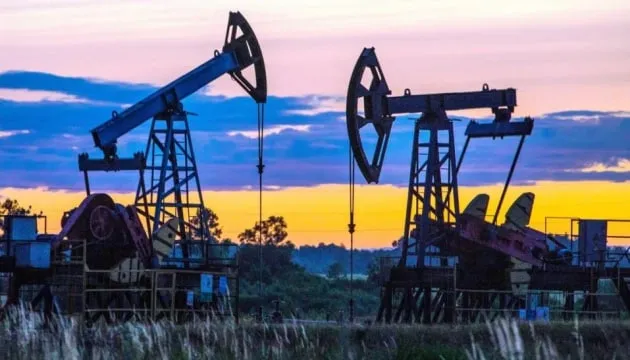
On Friday, June 12, global oil prices continued to fall, dropping by more than one dollar per barrel. This was triggered by a statement from U.S. President Donald Trump that the planned strikes on Iran would not take place, which eased market concerns about a possible escalation of tensions in the Middle East.
Brent crude futures fell by $1.83, or 2%, to $88.55 per barrel. U.S. West Texas Intermediate (WTI) crude lost $1.60, or 1.8%, to $86.11 per barrel.
Trump, who had threatened to “hit Iran very hard,” announced on Thursday that he was calling off the planned strikes, noting that negotiations with Tehran had progressed and that a peace agreement allowing the Strait of Hormuz to reopen to shipping could be signed as early as this weekend.
“While this, of course, may turn out to be yet another false glimmer of hope, the market reaction was both swift and decisive,” noted IG market analyst Tony Sycamore.
According to him, despite the current decline, “as long as the price remains above the support level around $80, the risks remain predominantly skewed toward the upside.”
On Thursday, Iran announced the “closure” of the Strait of Hormuz, through which ship traffic had already been significantly restricted, and declared its readiness to open fire on any vessel attempting to pass through this route. Meanwhile, the U.S. military reported on social media that commercial vessels continue to use the strait.
“We believe the market will reach a tipping point by the end of July if oil supplies do not resume by then. That is when inventory levels and seasonal demand growth could lead to a significant price increase to $120–130 per barrel,” ING analysts said.
The Organization of the Petroleum Exporting Countries (OPEC) on Thursday lowered its forecast for global oil demand growth in 2026 to 970,000 barrels per day from the previous 1.17 million barrels per day, marking the second consecutive downward revision.
At the same time, OPEC noted that a recovery in consumption is expected later, so it raised its forecast for 2027. The organization expects demand to grow by 1.73 million barrels per day—190,000 more than previously forecast.
This was reported by Reuters.
Oil prices fellamid a ceasefire between Lebanon and Israel — Reuters.
On Monday, May 4, the price of Bitcoin rose above the $80,000 mark for the first time since January 31. The cryptocurrency rose 2.1% to reach $80,594. According to analysts, breaking through this level could support further growth across the entire crypto market.
Bitcoinjumped to its highest level since February — Bloomberg.
Peter Schiff called Bitcoin “shitcoin” and challenged Michael Saylor to a debate
Bitcoin mining and artificial intelligence are moving in opposite directions.


