
Oil prices are rising amid escalating tensions between the U.S. and Iran
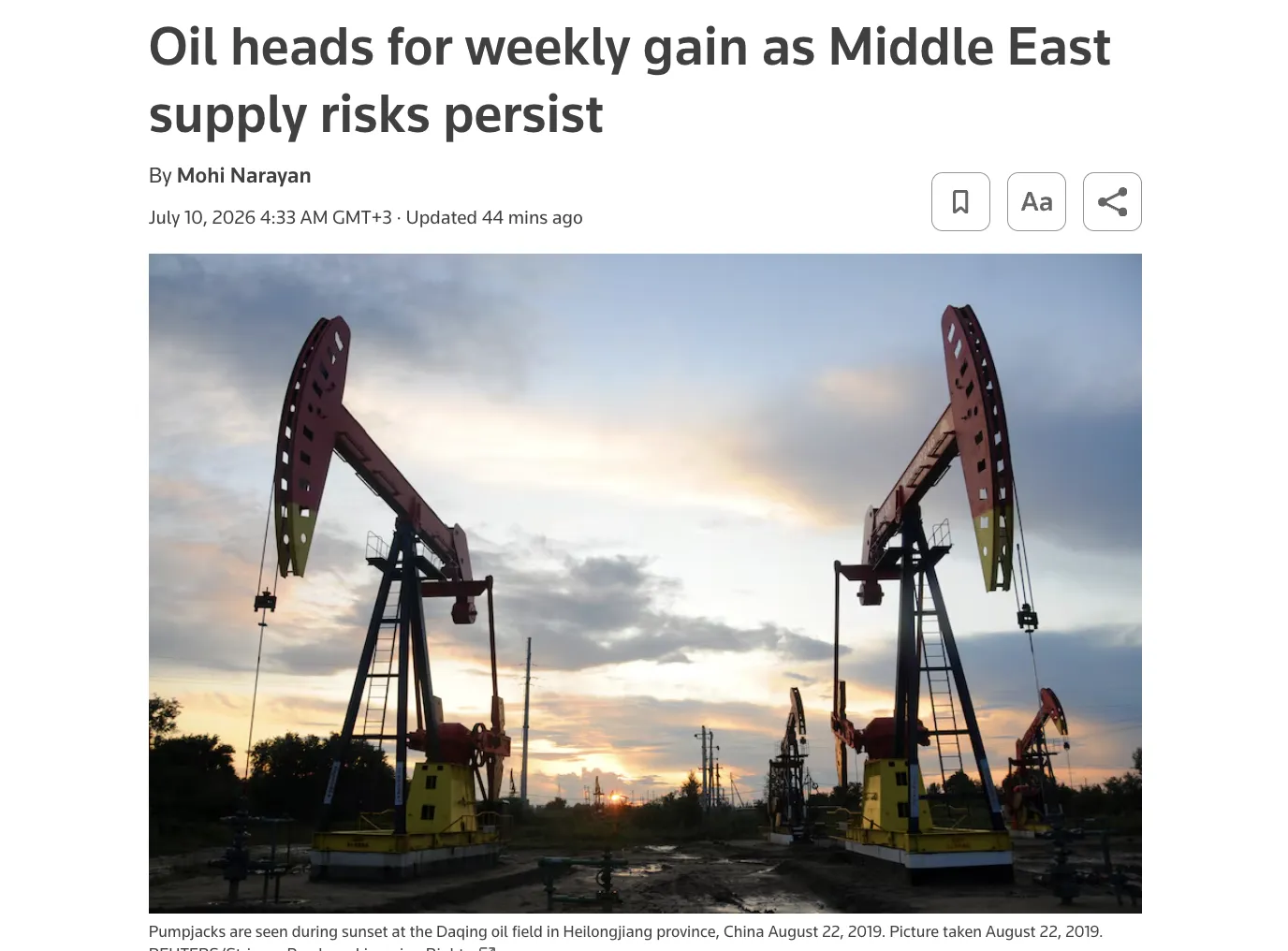
Global oil prices continued to rise on Friday, July 10, amid concerns about potential disruptions to crude oil supplies from the Middle East. The market reacted to the escalating tensions between the U.S. and Iran and the risks to shipping through the Strait of Hormuz.
Brent crude futures rose by 19 cents, or 0.25%, to $76.49 per barrel. U.S. West Texas Intermediate (WTI) crude rose by 19 cents, or 0.26%, to $72.27.
“Prices have pulled back from the peaks recorded midweek, but the market continues to reflect a significant geopolitical risk premium, as shipping through the Strait of Hormuz has once again come to a near standstill, and there are no clear signs of a return to normal traffic yet. At the same time, expectations that the U.S. and Iran may return to diplomatic talks are holding back further price increases,” said Vandana Hari, founder of Vanda Insights, a company specializing in oil market analysis.
On Thursday, the Iranian armed forces struck U.S. military infrastructure in the Persian Gulf countries in response to American attacks on Iran’s southern coastal and eastern provinces. This further escalated the situation following a three-week ceasefire. Hostilities resumed on the day of the funeral of Iran’s Supreme Leader Ayatollah Ali Khamenei, who was killed on the first day of the war—February 28.
The escalation of the conflict has also delayed the full resumption of shipping through the Strait of Hormuz, through which about 20% of global maritime shipments of oil and liquefied natural gas passed before the war began. According to shipping monitoring systems, tanker traffic through the strait virtually ceased on Thursday as shipowners assessed the risks following the new strikes. Tensions rose sharply following Iran’s attack on a Qatari liquefied natural gas tanker that was exiting the Strait of Hormuz near the coast of Oman.
“Despite the intensification of U.S. strikes on Iranian military targets, the market was reassured to some extent by the Trump administration’s decision to refrain from attacking Iran’s energy infrastructure. This was also aided by statements from the U.S. president, who expressed the view that a full-scale conflict is unlikely to resume,” said Daniel Hynes, senior commodities strategist at ANZ Bank.
This was reported by Reuters.
On Thursday, July 9, Iran stated that it had fired ten ballistic missiles at a U.S. military base in Jordan. Meanwhile, Jordanian authorities reported that all missiles were intercepted, and there were no reports of damage or casualties.
Despite this new round of conflict in the Middle East, Iran maintains that it is not abandoning diplomacy and is attempting to restore relations with the Gulf states. Officials in Tehran claim that the U.S. and the West have mistakenly interpreted their willingness to negotiate as a sign of weakness.


