
Germany plans to expand intelligence agency powers — The Local Germany
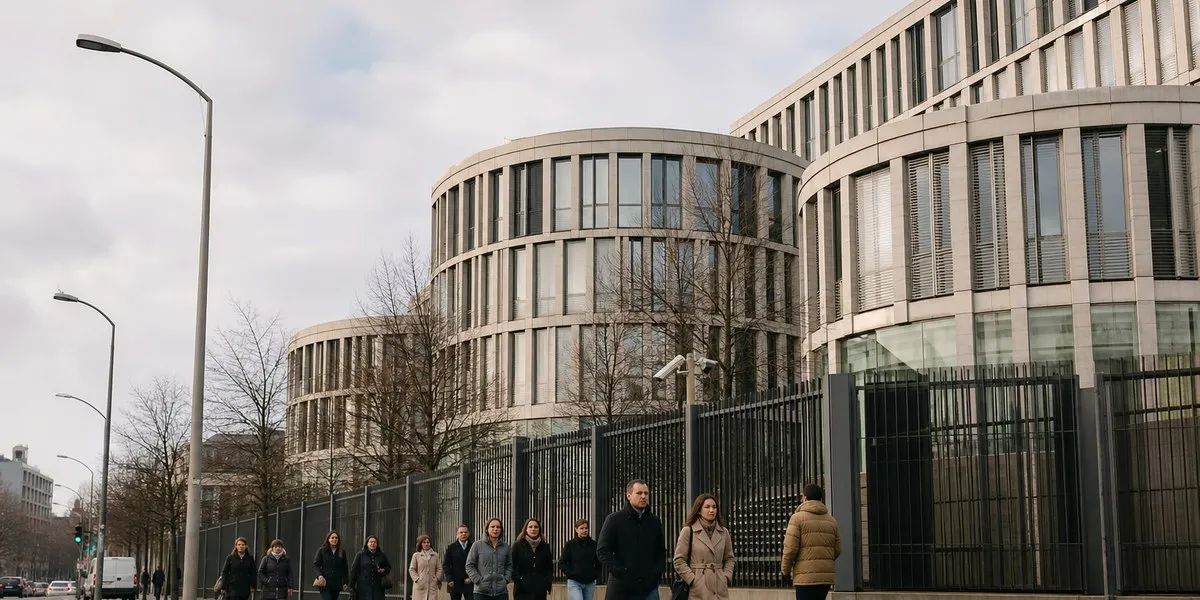
In Germany, the governing coalition of the CDU/CSU and SPD has prepared a bill to expand the powers of the foreign and domestic intelligence services amid the threat of hybrid attacks. The government has already approved the document, and parliament is due to consider it on September 24, The Local Germany reports.
Chancellor Friedrich Merz said the reform should turn Germany’s intelligence agencies into fully fledged secret services. Germany has traditionally placed strict limits on intelligence activities due to its historical experience of state surveillance during the Nazi era and the Cold War.
Foreign intelligence powers
Germany’s Federal Intelligence Service, BND, may receive the right to respond directly to threats. In particular, this concerns the ability to destroy the IT systems of hacker groups controlled by states, as well as to influence production or logistics chains in order to prevent the manufacture of drones, weapons or explosives that could threaten Germany.
BND President Martin Jäger linked the need for such tools to the growing aggressiveness of the Russian Federation, an aggressor state. At the same time, killings are not planned to be included in the list of methods available to German intelligence services.
More current news is available on the UA.News Telegram channel Telegram.
Changes for the domestic service
Germany’s Federal Office for the Protection of the Constitution, BfV, which gathers information on extremist groups and conducts counterintelligence activities within the country, may under certain circumstances receive the right to secretly enter homes or commercial premises. This could be used, in particular, to install spyware for remote searches or to disable weapons or explosives.
The BfV is also planned to be given broader capabilities to monitor encrypted communications. At the same time, the service will still not have the right to detain or interrogate people: under German law, these powers belong to the police.
Artificial intelligence and oversight
The reform draft provides for the use of artificial intelligence to analyze large amounts of data and for biometric image matching. It also proposes strengthening information exchange between authorities and, in certain cases, with businesses if a threat concerns important sites or infrastructure.
According to the SPD, the expanded powers will be accompanied by stricter oversight. An independent oversight council will assess the proportionality of measures and monitor how intelligence services process private data. The Left Party criticized the initiative, citing the risk of effectively weakening the principle of separating the police from intelligence services. The AfD supports expanding the BND’s capabilities but opposes additional powers for the BfV.




