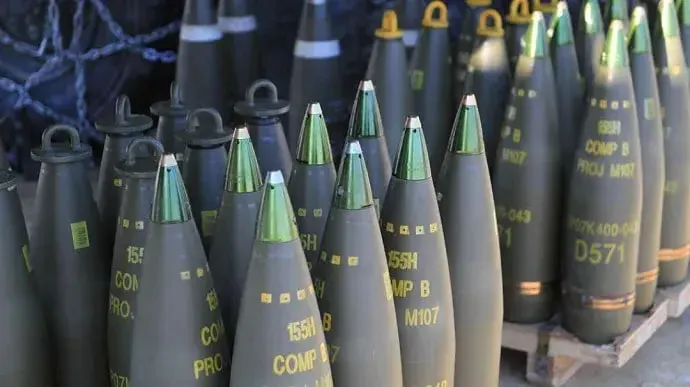
Germany plans to reduce funding for ammunition procurement in 2027, redirecting the funds to other defense needs. According to Bloomberg, this could negatively impact one of the country’s largest arms manufacturers—Rheinmetall AG.
Spending on ammunition is expected to drop from 11 billion euros in 2026 to 9.6 billion euros in 2027. Against the backdrop of these plans, Rheinmetall’s stock has already lost more than 30% of its value since the beginning of the year.
The draft budget for 2027, which the government may still amend, calls for ammunition spending of approximately 9.6 billion euros ($10.9 billion) in 2027, down from 11 billion euros in 2026, according to a copy of the document obtained by Bloomberg. Overall, Germany’s defense spending is set to rise significantly by 2030.
Rheinmetall has lost investor favor, and its shares have fallen by more than 30% since the start of the year. The company, which has traditionally relied on tanks and artillery, is now losing ground to drone manufacturers—technologies that have proven critical in the wars in Ukraine and Iran.
A draft document circulated among traders and hedge funds casts new doubt on the investment appeal of traditional defense contractors, even giants like Rheinmetall, with a market capitalization of 49 billion euros.
The proposed allocation of funds could intensify ongoing discussions about shifting priorities in German defense spending, particularly regarding the balance between traditional equipment, such as ammunition, and higher-priority areas,” wrote analysts at Mediobanca SpA, led by Alessandro Pozzi, in July.
According to Bloomberg, the Goldman Sachs European defense index has remained virtually unchanged since the start of the year, lagging behind the Euro Stoxx 600 index’s growth by 9.6%.
Investors fear that earnings in the defense sector are not growing fast enough to justify the high valuations of companies, which have risen amid Europe’s pledges to increase defense spending. Prior to Russia’s full-scale invasion of Ukraine in February 2022, Rheinmetall’s market capitalization stood at 4.2 billion euros.
According to a preliminary budget document, approximately 7.7 billion euros will be allocated for ammunition purchases in 2027, with an additional 1.9 billion euros coming from a special defense fund.
These figures still exceed the 2025 level, when the country began significantly expanding its defense capabilities and spent a total of less than 4 billion euros on ammunition procurement.
A spokesperson for the German Ministry of Defense stated that she could not comment on specific budget items until the federal financial plan is finalized. At the same time, she added that “the procurement of ammunition is and will remain a priority.”
Update
Rheinmetall, the world’s largest manufacturer of 155-mm artillery shells, was also affected by the failed acquisition of a shipbuilding company, which was purchased due to its position as the likely prime contractor for the German F126 warship project. However, last month the government terminated the agreement regarding the ship, causing Rheinmetall’s stock to plummet 19% in a single day.
On July 2, the company stated that it would assess the impact of the contract cancellation on its annual forecast during its second-quarter earnings presentation on August 6. A Rheinmetall spokesperson did not immediately respond to a request from Bloomberg for comment on the draft budget.
In addition, last week China imposed export restrictions on 14 European companies, including Rheinmetall, stating that this was in response to European Union sanctions.