
Wastewater treatment in South African metros worsened — Daily Maverick
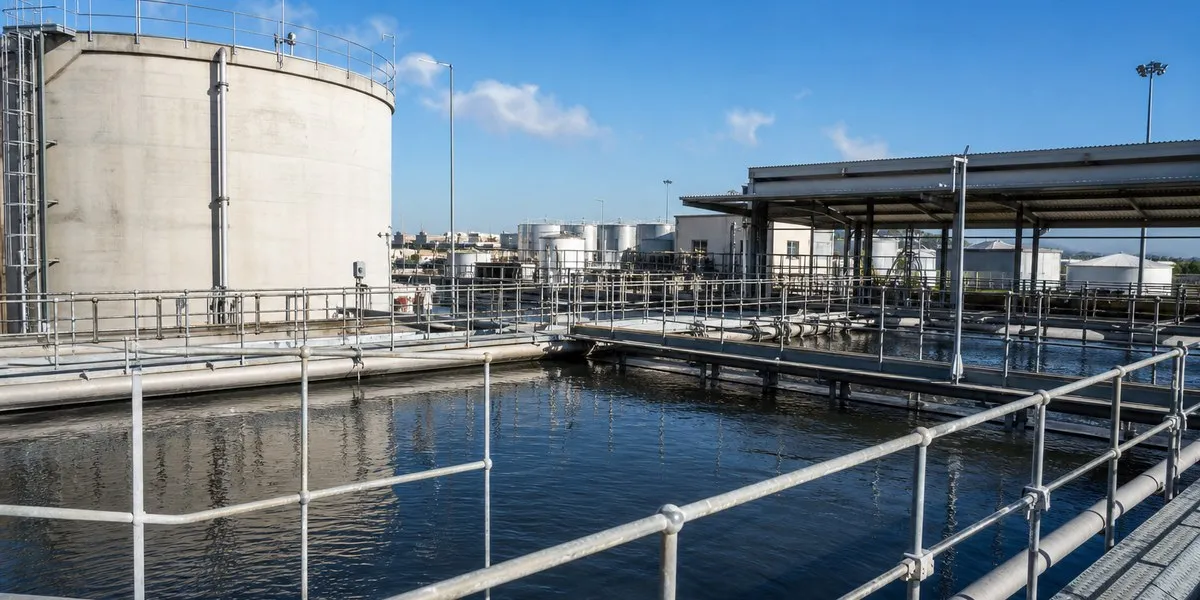
Wastewater treatment systems deteriorated in most major South African cities between 2021 and 2024. This is indicated by the 2025 Green Drop report, which assesses the performance of wastewater treatment plants, reports Daily Maverick.
Untreated wastewater entering rivers and the sea can contribute to the spread of diseases such as cholera, complicate drinking-water preparation and harm river ecosystems. Ekurhuleni received the highest Green Drop score in 2024 — 82%, compared with 86% in 2021. It is the only metro to retain a “good” rating, although sewer leaks remain widespread there.
Declining scores in major cities
Cape Town scored 75% and moved from the “good” category to “average,” recording its lowest result in the history of the assessment. At the same time, none of its treatment plants is in critical condition.
Johannesburg’s score declined in every audit cycle: from 91% in 2011 to 86% in 2013, 73% in 2021 and 49% in 2024. The city experienced serious failures at its two largest treatment plants, while another one is operating above its design capacity.
More current news is available on the UA.News Telegram channel Telegram.
In Tshwane, the score fell from 60% in 2021 to 34% in 2024. It stood at 82% in 2013, but most treatment systems now perform poorly, and many are in critical condition.
Critical condition and infrastructure problems
The biggest decline was recorded in eThekwini: after an “excellent” rating in 2011 and 2013 and an “average” rating in 2021, the city received 31% in 2024. Flooding in April 2022 had a significant impact on its sewage facilities.
Buffalo City became the only metro with a critical rating — 26%, compared with 59% in 2021. Twelve of its 15 treatment systems scored below 31%. The municipality attributed the situation to vandalism, but a new sludge treatment plant was never commissioned in 2021.
Mangaung was the only city where the score increased, but its result remains low at 43%. It lacks preventive maintenance and wastewater treatment capacity. In Nelson Mandela Bay, the score fell from 58% to 36%; two of seven treatment plants were disqualified, with vandalism and procurement problems cited among the factors.




