
Poll shows ANC and DA neck and neck in key South African cities
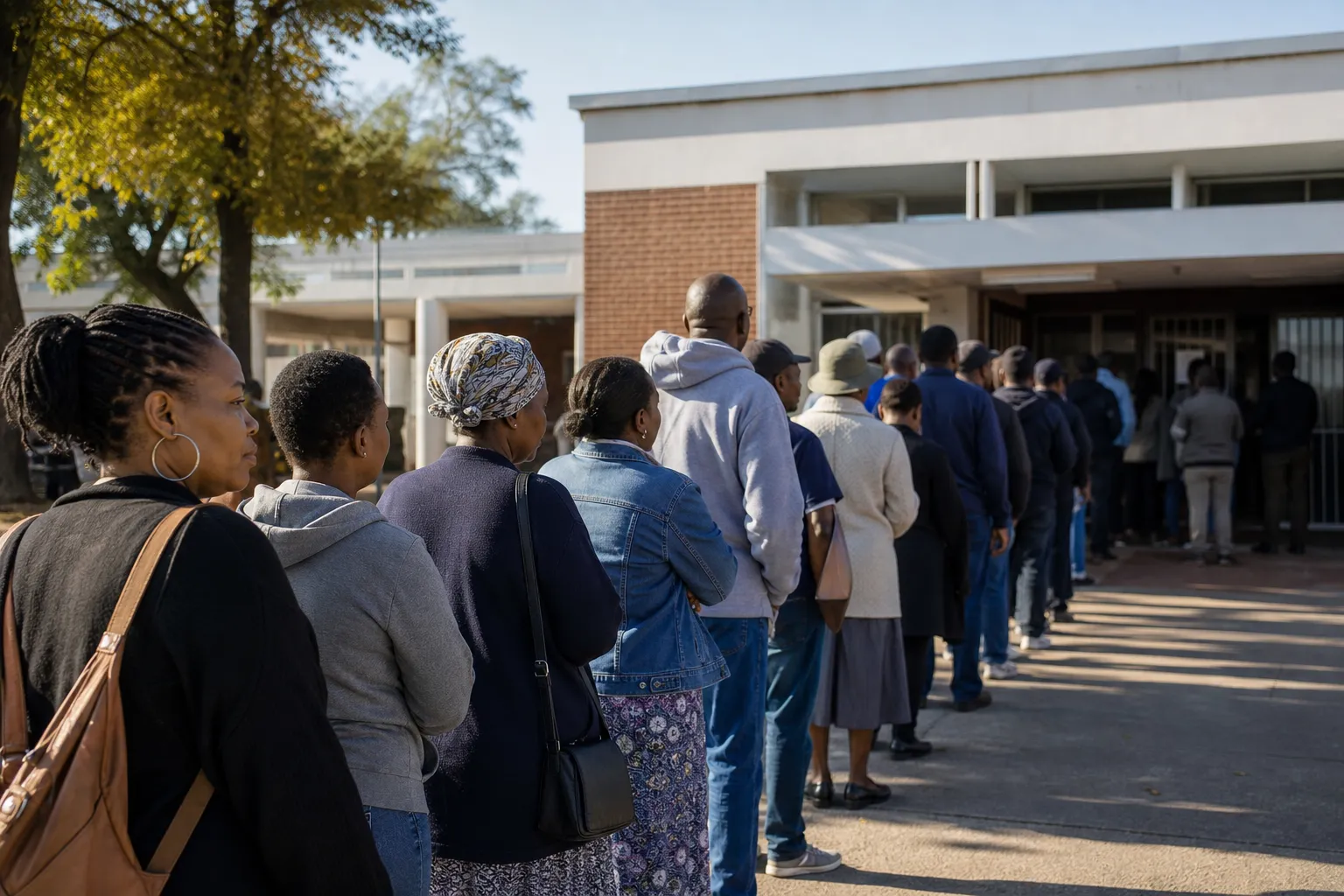
The Ipsos Pulse of the People survey showed close standings for the African National Congress (ANC) and the Democratic Alliance (DA) in four major cities in South Africa ahead of the local elections on November 4. In eThekwini, according to the study, the MK party of former president Jacob Zuma is in the lead: 55% of respondents said they would vote for it.
As Daily Maverick reports, the ANC has 31% in Johannesburg, while the DA has 27%. In Tshwane, the DA is ahead of the ANC, 31% to 22%.
Competition in cities
According to Ipsos, the ANC and DA also have close ratings in Ekurhuleni, Nelson Mandela Bay and Buffalo City. A separate telephone survey by the Social Research Foundation among urban residents also showed higher support for the DA in Johannesburg, although its sample was smaller.
The nationwide survey results are as follows: ANC — 31%, DA — 25%, MK — 14%, EFF — 11%, ActionSA — 6%, Inkatha Freedom Party — 3%, Patriotic Alliance — 2%. According to the publication, MK consistently ranks third among the country’s parties.
More current news is available on the UA.News Telegram channel Telegram.
Regional figures and turnout
The ANC has its highest ratings in Limpopo, at 58%, and the Eastern Cape province, at 56%. The DA dominates in the Western Cape province and, according to Ipsos, is also ahead of the ANC in the Free State. ActionSA shows strong positions in cities in Gauteng province, while MK and the Inkatha Freedom Party are most prominent in KwaZulu-Natal.
Ipsos director Mari Harris said that over the next two months, parties will compete actively in almost all provinces. According to her, the outcome of the vote may be influenced by political forces’ ability to mobilize their supporters. Ipsos also recorded an increase in the intention to vote, especially in major cities.
The survey was conducted in respondents’ homes among 3,500 people. Participants who said they intended to vote were asked whom they would vote for if the election were held the next day. The maximum margin of error for the overall sample of registered voters is ±1.77% at a 95% confidence level; it is higher for smaller samples in provinces and metropolitan areas.


