
Pakistan lacks multinational companies — Dawn
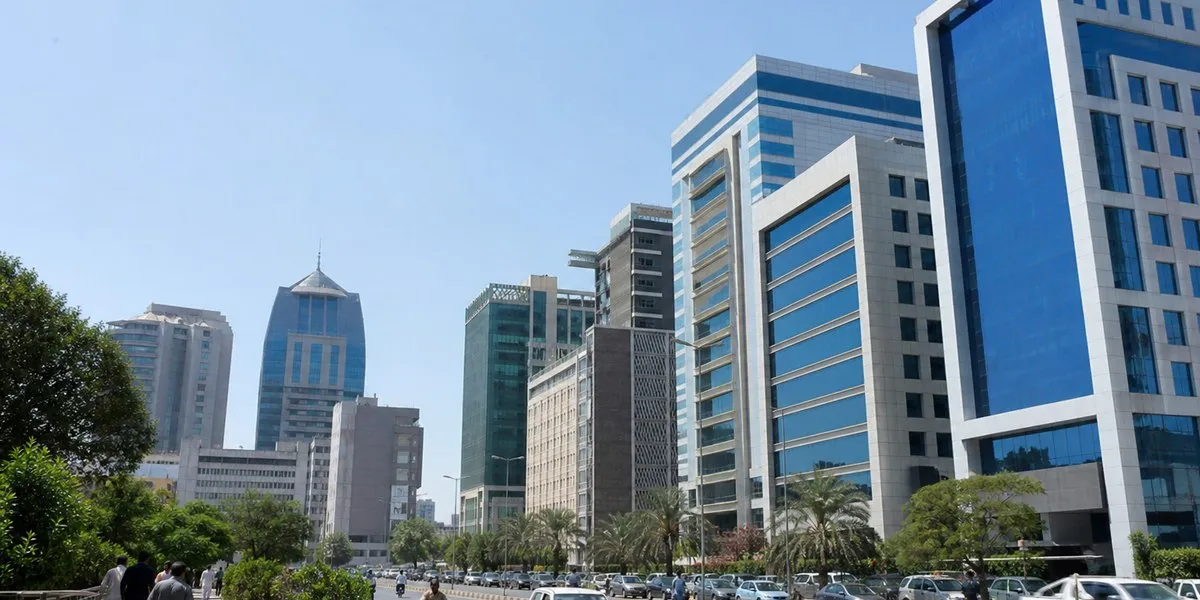
Pakistani companies need to expand more actively into foreign markets and invest outside the country in order to turn local success into global competitiveness. This conclusion is contained in a column by the Pakistani publication Dawn, devoted to the shortage of large national multinational corporations.
The author notes that Pakistan has developed successful family businesses in textiles, cement, pharmaceuticals, automotive manufacturing, banking, energy and other sectors. At the same time, there are still few Pakistani companies that buy businesses in the United Kingdom, open production facilities in Europe, build brands in North America or acquire technology firms.
The gap in overseas investment
The column emphasizes that exporting goods is not the same as building a business abroad. Pakistan supplies textiles, sporting goods, surgical instruments, rice and leather products to global markets. However, more developed economies export not only goods, but also capital, brands, intellectual property and management expertise.
According to the UN Conference on Trade and Development's World Investment Report 2025, foreign direct investment flowing from Pakistan abroad amounted to $153 million in 2024. At the same time, foreign direct investment inflows into the country reached $2.57 billion — approximately 17 times more.
More current news is available on the UA.News Telegram channel Telegram.
As an example of international expansion, the author cites Lucky Cement, which established production capacity in Iraq and the Democratic Republic of the Congo. In the author's view, this shows that Pakistani industrial groups can invest and compete abroad, although there are few such examples.
Barriers and a call to business
Running a large business in Pakistan is complicated by political instability, energy supply problems, currency depreciation, expensive financing, inconsistent regulation and economic crises. However, the author cautions that resilience in the domestic market does not necessarily mean competitiveness abroad, where companies face different regulators, higher costs, demanding consumers and strong competitors.
The column calls on the next generation of Pakistani business families to use inherited capital and infrastructure to acquire brands, technologies and distribution networks abroad. At the same time, state policy is urged to distinguish the outflow of personal capital from productive foreign investments by companies that can bring Pakistan dividends, experience and business connections.


