
South Korea sends first test container ship via Arctic route
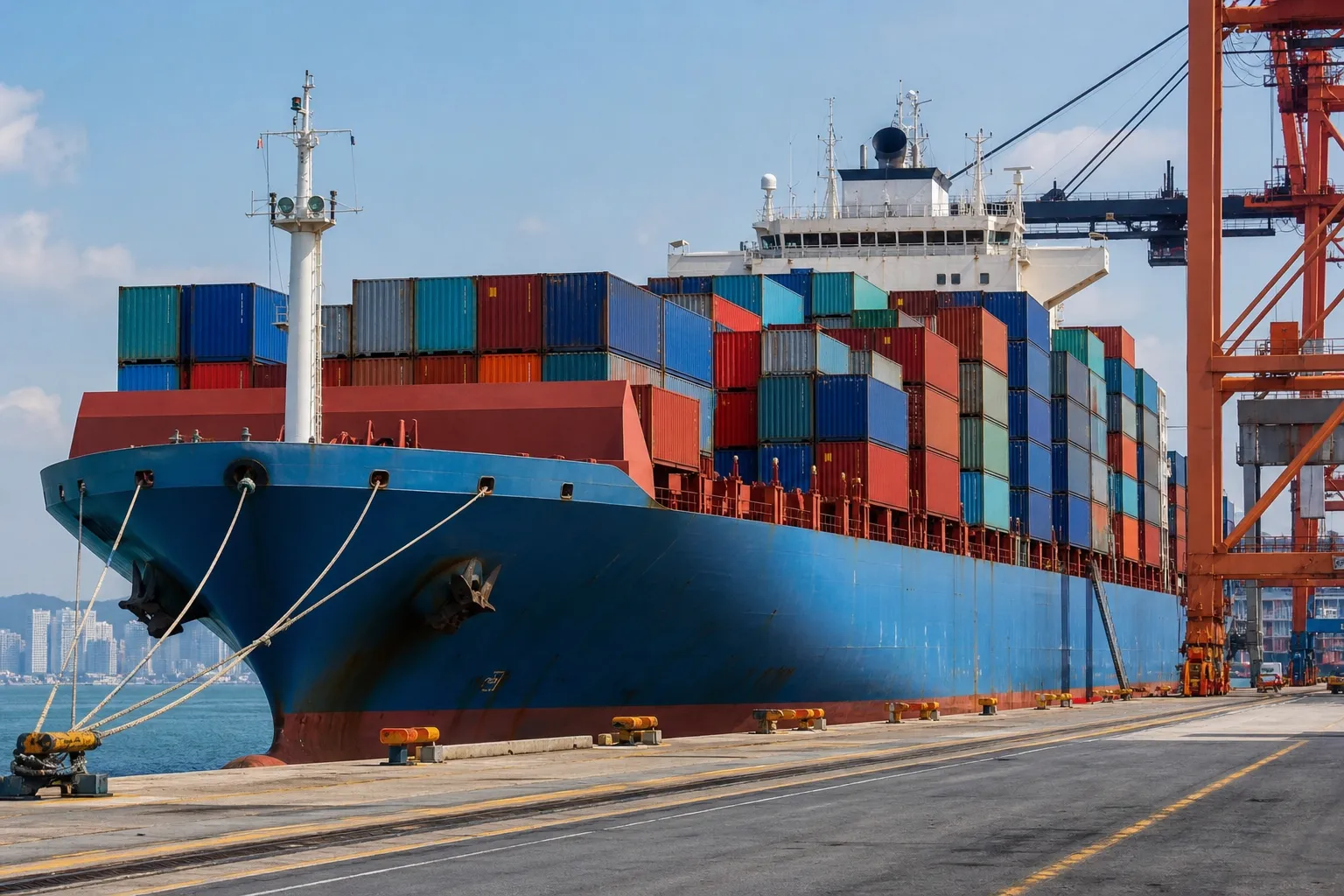
On August 22, South Korea dispatched the first test container ship from Busan New Port to Europe via the Arctic route. The PanStar Acro vessel is to assess the commercial viability of shipments along a route that is becoming more accessible due to melting sea ice, Channel NewsAsia reports.
South Korea’s Ministry of Oceans said the vessel departed at 9:30 p.m. local time. According to the ministry, PanStar Acro will call at Felixstowe in the United Kingdom, Rotterdam in the Netherlands and Gdansk in Poland before returning. The voyage is expected to last about 45 days.
An alternative to the Suez Canal
The usual sea route between Asia and Europe runs through the Suez Canal. According to an estimate by the Korea Institute for International Economic Policy, the Arctic route could reduce the distance by about 7,000 kilometers and shorten the voyage by approximately 10 days.
More current news is available on the UA.News Telegram channel Telegram.
South Korean Vice Minister of Oceans Nam Jae-heon said the Arctic route could become an alternative to sea routes through the Middle East amid geopolitical risks and technological development. The PanStar Acro voyage follows the departure of the Chinese container ship Dubai Tower from Ningbo to Europe via the Bering Strait and along Russia’s Arctic coast — an aggressor state.
Sanctions and environmental concerns
Experts interviewed by AFP warn that using the route could create risks of violating Western sanctions against Russia, as vessels would receive Russian navigation and weather services. South Korea’s Ministry of Foreign Affairs did not comment on these concerns. At the same time, the Ministry of Oceans said it had completed consultations with relevant countries and institutions to arrange the necessary procedures.
Environmental organizations warn that increased shipping along the Northern Sea Route could accelerate the loss of Arctic sea ice. According to the Paran Ocean Citizen Science Center, the Arctic is warming about four times faster than the global average. CMA CGM, MSC and Hapag-Lloyd have already pledged not to use Arctic shipping routes.


