
Sudanese politicians warn of threat of total state collapse
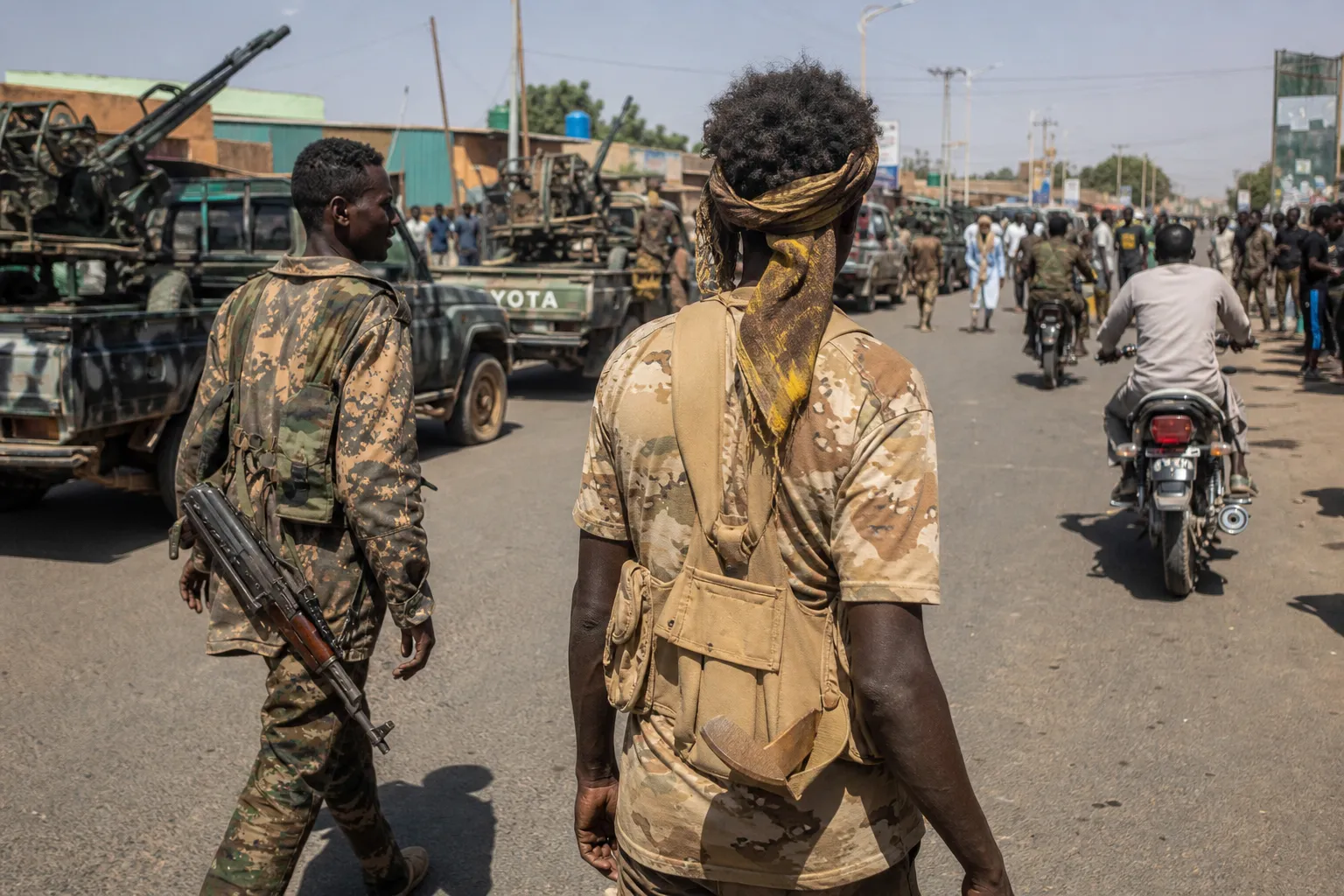
Sudanese politicians have said that war-torn Sudan is approaching a complete collapse of the state. Fighting between the Sudanese Armed Forces (SAF) and the paramilitary Rapid Support Forces (RSF) has devastated the country of about 50 million people and dealt a blow to its economy.
Former Mining Minister Adel Ibrahim said that the state has not yet collapsed but is moving closer to it every day. He also noted that the Sudanese pound is falling against the dollar and has lost more than tenfold in value compared with the pre-war period.
The war has claimed tens of thousands of lives, forced millions of people from their homes and caused one of the world's largest humanitarian crises. SAF leader General Abdel Fattah al-Burhan has said he will continue fighting until the RSF is defeated, rejecting efforts by the United States and regional states to achieve a ceasefire.
Calls for an investigation
Former Cabinet Affairs Minister Khalid Omar Youssef called for an independent fact-finding mission to be allowed into Sudan to examine allegations of the SAF's possible use of chemical weapons. According to him, the issue has already gone beyond media reports and speculation and is being considered by the UN and international organizations.
More current news is available on the UA.News Telegram channel Telegram.
As The National reports, The New York Times and The Washington Post published reports concerning the alleged use of chemical weapons by the SAF and the creation of a covert stockpile. Youssef also said that gold is a source of funding for the war and is used to purchase ammunition and drones.
A UN fact-finding report released this month states that the SAF used foreign drones in operations that harmed civilians. The document also reiterated that external actors supported the RSF, facilitating the transfer of weapons.
Embargo negotiations
The chemical weapons issue is being raised amid US efforts to secure a ceasefire and expand the UN arms embargo from Darfur to all of Sudan. The UN Security Council gave its members one month to discuss the proposal, while Washington insisted on a short-term extension of the current sanctions regime for further negotiations.
Mohamed Abdel Hakam, leader of the pro-civilian rule Sumud alliance, said the United States should use this period to negotiate with countries that threatened to use their veto power. He stressed that the current situation in Sudan differs substantially from the circumstances in which the arms embargo was imposed two decades ago.




