
Descendant of Poet Alexander Pushkin Passes Away at 87
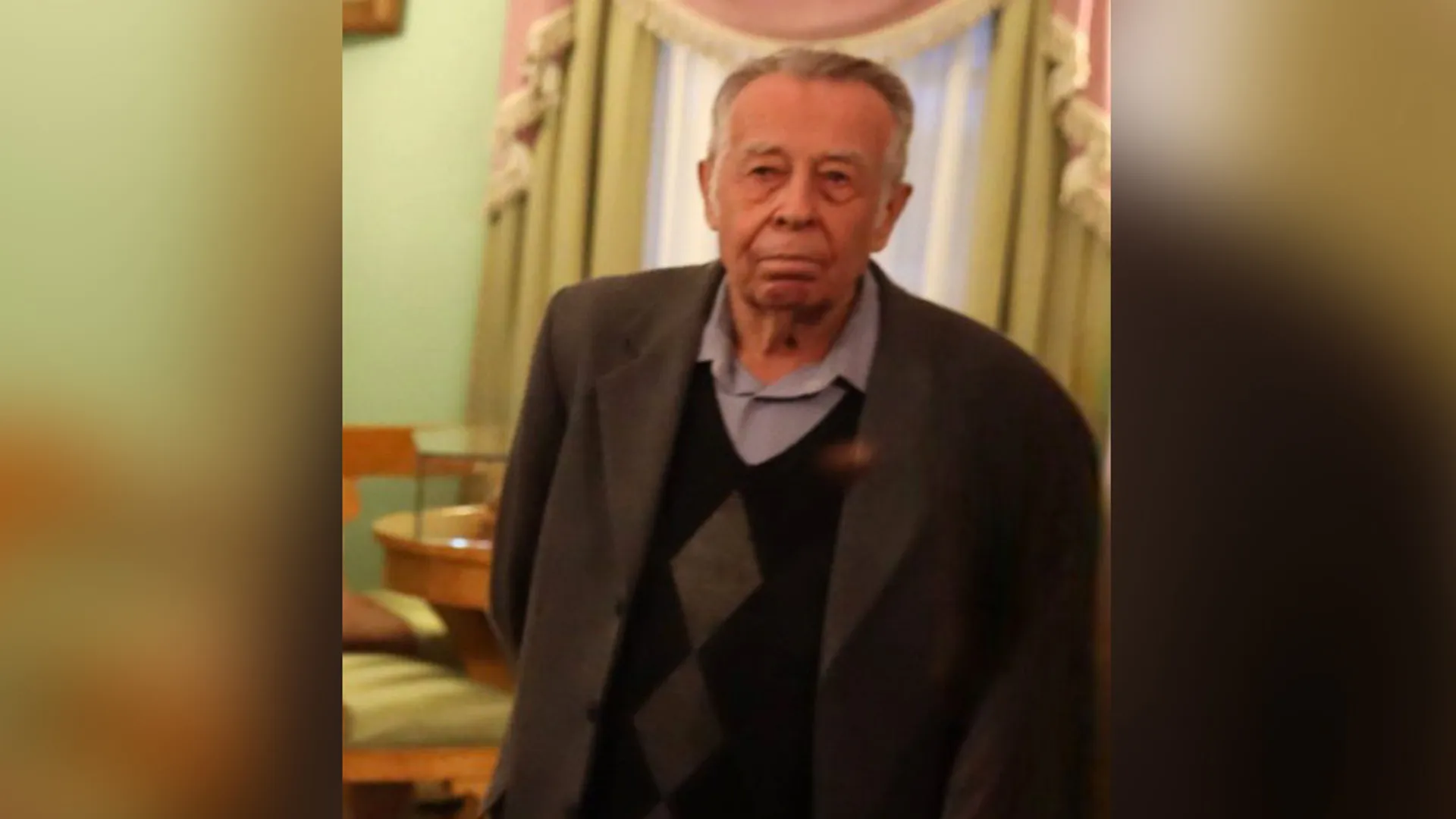
The death of Vyacheslav Gutsko, a great-great-great-grandson of poet Alexander Pushkin, has drawn public attention beyond literary circles. The news was officially confirmed by the State Pushkin Museum, emphasizing the symbolic nature of the event.
Vyacheslav Gutsko was 87 years old. As a direct descendant of one of Russia’s most influential cultural figures, his life represented a living connection to a historical legacy that continues to shape national identity centuries later.
Despite his lineage, Gutsko led a largely private life. For more than fifty years, he worked as an engineer at the Likhachev Plant’s transport and chemical machinery design bureau, contributing to Soviet and Russian industrial development.
This aspect of his biography highlights a broader pattern among descendants of prominent historical figures — many choose professional paths disconnected from the cultural or symbolic weight of their family name.
The date of his passing adds further resonance. Gutsko died on January 29, the same calendar day on which Alexander Pushkin passed away according to the old style. Such coincidences often amplify public and media interest.
From a historical perspective, symbolic dates serve as anchors for collective memory, prompting renewed reflection on cultural heritage and continuity.
Analytical observation shows that news involving descendants of iconic figures consistently performs well in media coverage. This reflects society’s enduring fascination with lineage, continuity, and historical proximity.
Museums and cultural institutions play a crucial role in framing such news responsibly, avoiding sensationalism while preserving historical accuracy and respect.
Gutsko’s life also illustrates how historical legacy does not necessarily dictate personal destiny. His professional achievements stood independently of his famous ancestry.
In conclusion, the passing of Vyacheslav Gutsko marks the quiet closure of another living chapter linked to Alexander Pushkin, reinforcing the idea that history persists not only in texts, but in human lives.


