
Destruction and lack of basic services complicate return to Khartoum — Asharq Al-Awsat
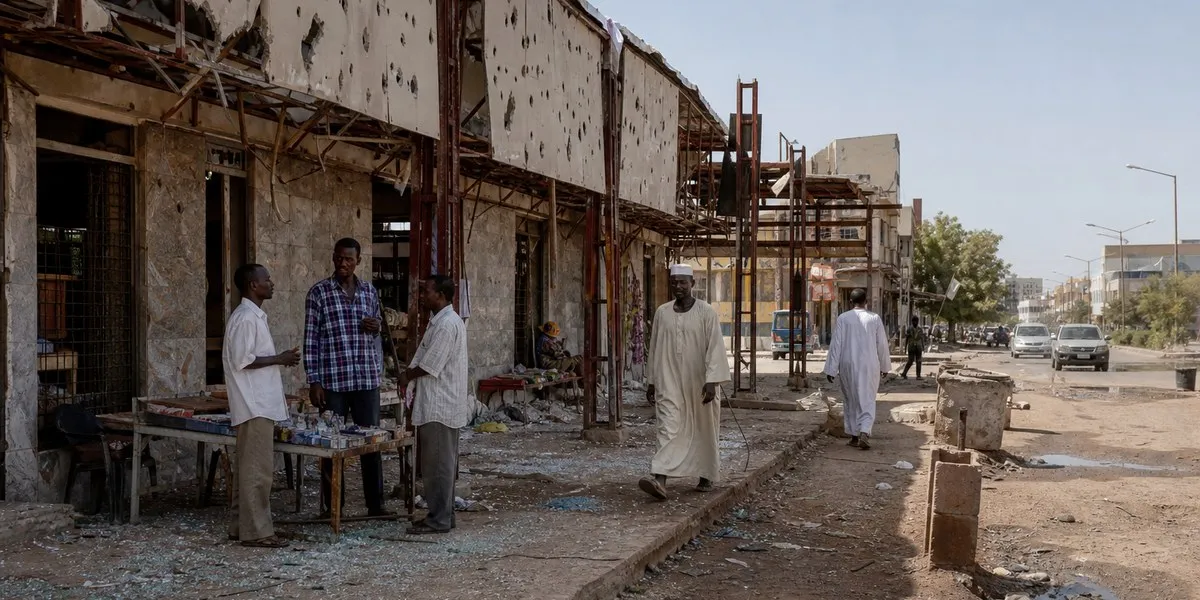
In Sudan’s capital, Khartoum, millions of people are returning to a city devastated by war, where residents face prolonged electricity and water outages, unemployment and medicine shortages. As Asharq Al-Awsat reports, an estimated 2.7 million people have returned to Khartoum since the army regained control of the city last year.
Since the war between the Sudanese army and the paramilitary Rapid Support Forces began in 2023, around 4 million people have left Khartoum. Fighting continues in other parts of Sudan, including the Darfur, Kordofan and Blue Nile regions.
Water and electricity outages
Authorities are encouraging residents to return, Khartoum Airport has resumed domestic flights, and infrastructure is also being repaired. At the same time, electricity and water can be unavailable for several days. Markets in the capital are operating again, but many people have no jobs or money to make purchases.
Businessman Emad Khaled told AFP that he is sending his family back to Egypt, although he himself remains in Khartoum because of work. According to him, bringing his family back was a mistake. Several government officials ordered to return to the capital also told the agency that their families remain outside the country.
More current news is available on the UA.News Telegram channel Telegram.
Danger and medicine shortages
As of June, the UN considered only 1% of Khartoum’s territory safe. Children were killed and injured by booby traps and unexploded shells left in buildings and on streets. Despite the restoration of some hospitals, medical workers say that some essential items, including medicines, remain unavailable.
Teacher Imam Babiker said he has to visit ten pharmacies to find blood pressure medication for his father, and its price is constantly changing. Another resident, who bought a refrigerator to store insulin for his mother with diabetes, said that the medicine spoils because of daily 12-hour power outages.
University students were also ordered to return after remote learning ended in July. Faculty members at the University of Khartoum’s medical school threatened mass resignations, while students complain that they are being forced to return to the city.




