
Latvia's Prime Minister noted that Europe is beginning to understand the threat posed by Russia — Euronews
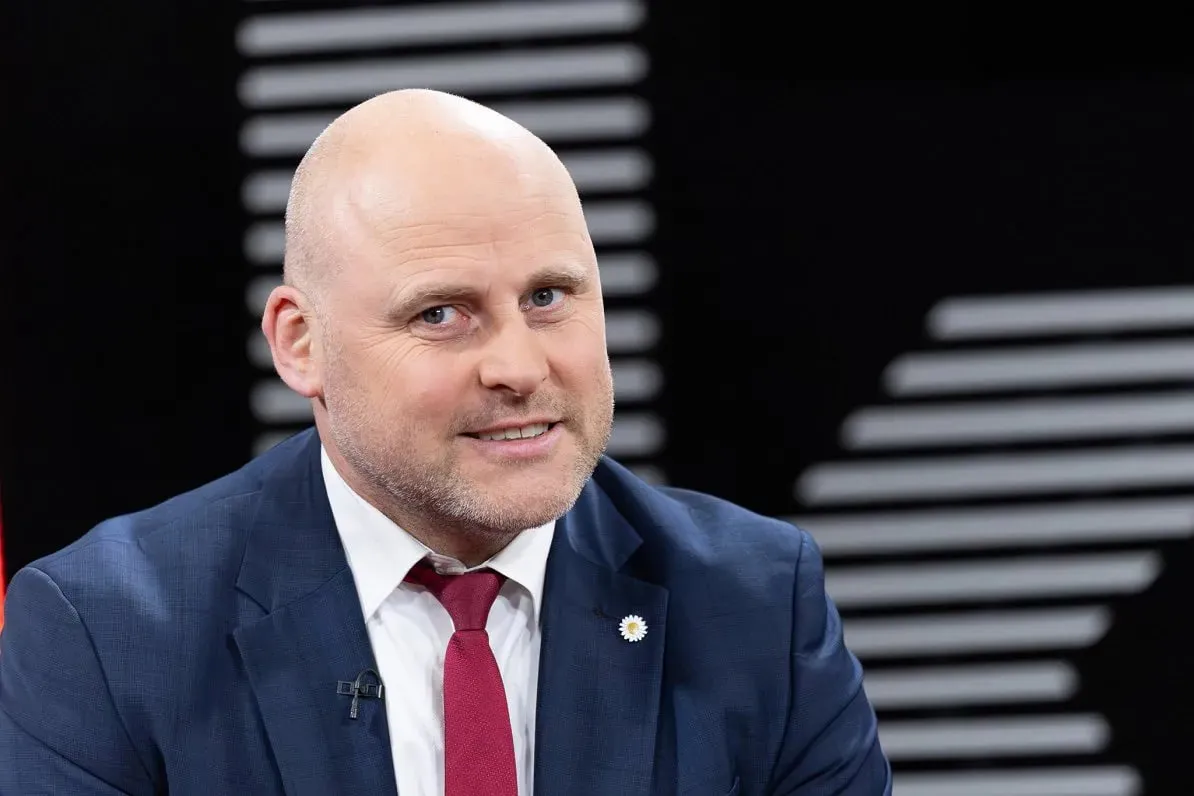
Latvian Prime Minister Andris Kulbergs stated that the European Union is beginning to recognize the security threat that Russia poses to Europe.
In the wake of Russia’s strike on a passenger train locomotive in Ukraine near the border with Poland, Kulbergs said that the EU is beginning to recognize the security threat posed by Russia.
“We were right, weren’t we? We told everyone this would happen. We know this bear like the back of our hand: what it thinks, how it acts—after all, we were occupied [by Russia] for 50 years. We know all its tricks,” he said.
According to him, leaders are only now realizing the gravity of the situation.
“Now everyone is listening. When I meet with [European] leaders, they understand what we’re talking about. Two years ago, things were different,” the Latvian prime minister noted.
Although the Latvian leader does not believe that Russia will open a “second front,” he nevertheless warned that the EU must now translate this understanding into concrete action.
“Those who prepare for the worst have peace,” he said.
In his view, the European Union must “demonstrate strength” and “make a definitive commitment” to supporting Ukraine.
“A bully understands strength, and that is exactly what we must demonstrate. Real strength—troops on the ground, investments in our security, and a demonstration of our power (...) Ukraine is being attacked with ballistic missiles, of which Russia produces far more. And what do they contain? Western components. We are still supplying Russia with materials to produce the missiles it uses to attack Ukraine, and then we help Ukraine with additional funds to repel these attacks,” Kulbergs added.
He made these remarks in a comment to Euronews.
Latvia will close its ports to grain from Russia and Belarus.
Earlier, Latvia called for a ban on the transit of Russian grain and feed through the country, as well as on the storage of these goods in Latvian ports, customs warehouses, and free economic zones.
Russia has stated that it has no intention of starting an armed conflict with NATO or attacking the Baltic states. This was stated by Russian Deputy Foreign Minister Alexander Grushko, who at the same time accused Western countries of allegedly preparing for war with Russia themselves.


