
The Munich Public Prosecutor's Office has closed the case involving an anti-Semitic arson attack in 1970
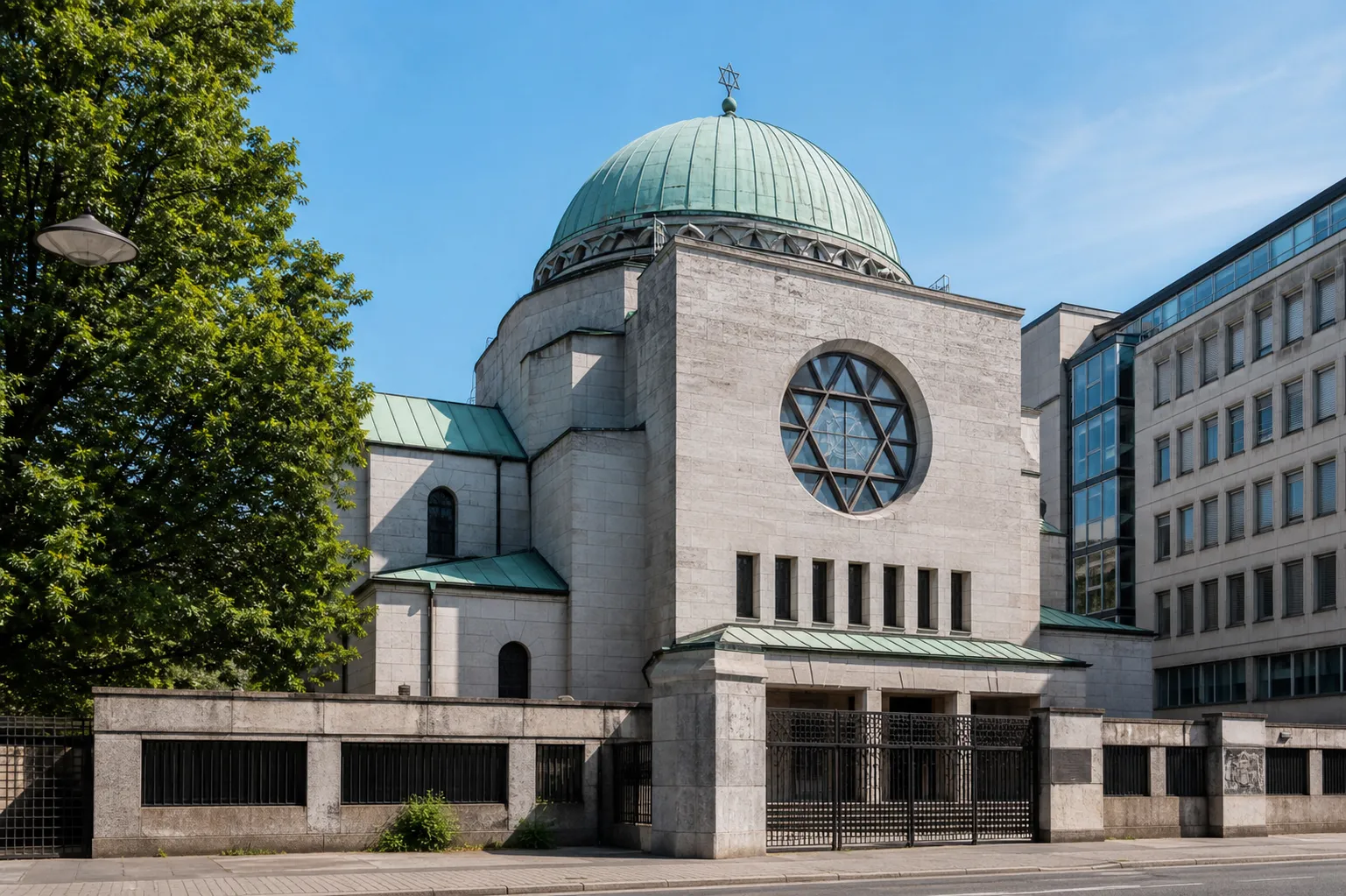
The Munich Public Prosecutor’s Office has closed the case involving the arson of a Jewish religious center and a nursing home in 1970, which resulted in the deaths of seven people. Investigators believe they have identified the suspect in the arson, but he died in 2020, so it is impossible to bring criminal charges against him, according to Deutsche Welle.
The fire occurred on February 13, 1970, at the premises of the Jewish Community of Munich and Upper Bavaria on Reichenbachstraße. Seven people died: all of them were Holocaust survivors, and two had been prisoners in Nazi concentration camps. Another 15 people were injured, including four with serious injuries. The building in central Munich sustained significant damage, particularly on the upper floors.
According to the prosecutor’s office, the fire was caused by a gasoline mixture that was poured and set alight in several places in the stairwell to make the fire spread more quickly. The initial investigation was closed in 2017—nearly 50 years after the attack. The case was reopened in April 2025 after new information came to light.
Read more breaking news on the UA.News Telegram channel.
As explained by the prosecutor’s office and the police, a witness provided information about a man who was a close acquaintance of her relative in the 1970s. According to the witness, she recounted the circumstances known to her shortly after the death of that relative. Law enforcement officials reviewed the old case files and interviewed people who had been in contact with the suspect.
According to investigators, the man was 25 years old at the time of the fire and was often seen near the religious center. The prosecutor’s office also stated that he was a well-known member of Munich’s far-right scene, and witnesses described him as an anti-Semite with an obsessive fascination with Hitler. The office considers the witness’s testimony credible; it has also been corroborated by other relatives.
At the same time, the prosecutor’s office emphasized that posthumous criminal prosecution is not possible in Germany, and the presumption of innocence remains in effect even after death. The investigation found no evidence of accomplices, although it is impossible to determine with certainty whether the suspect acted alone.


