
Putin is seeking a way out of the war by putting pressure on Europe
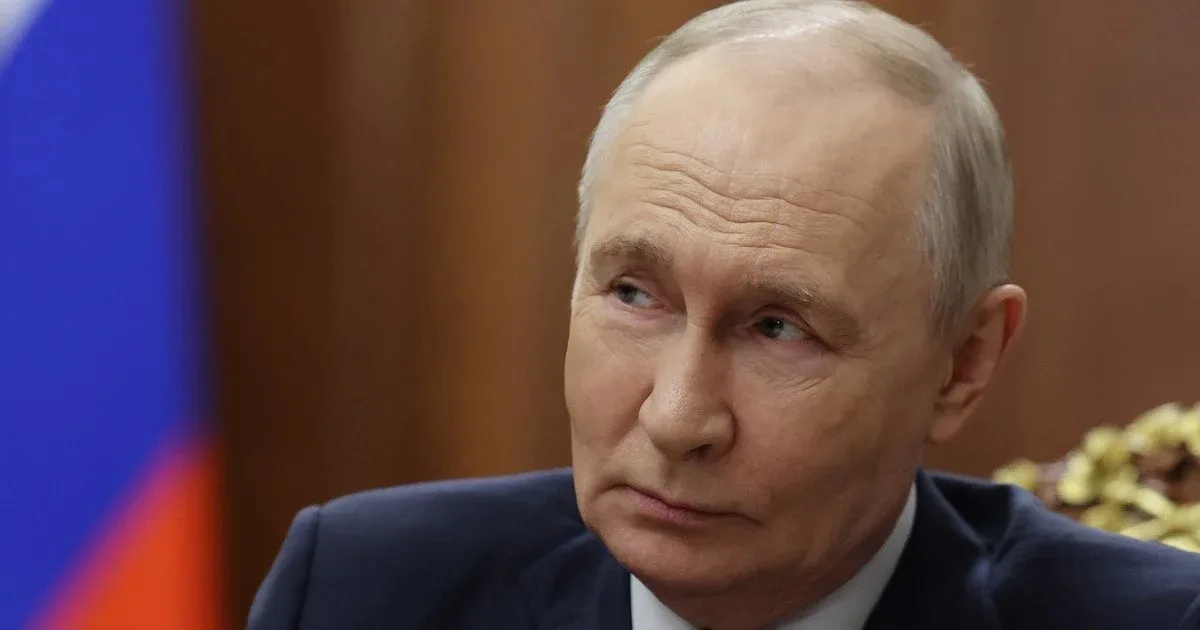
Russia is increasingly finding itself in a dead end in the war against Ukraine, and as a result, the Kremlin may try to ramp up pressure directly on Europe. This is what expert Hanna Notte writes in a column for *Die Zeit*, analyzing the military, economic, and political situation surrounding Russia.
The threat that Russia’s war could spill over beyond Ukraine no longer seems purely theoretical. In her view, the Kremlin is increasingly losing room to maneuver, and the situation for Russia is becoming more complicated on several fronts—on the battlefield, in the economy, and in international politics.
Notte points out that the Russian army is effectively bogged down in the war against Ukraine. After some initial successes late last year, the pace of advancement has slowed significantly, and the rapid breakthrough the Kremlin had hoped for never materialized. At the same time, internal problems are mounting within Russia itself. The author writes about structural difficulties in the economy, tax hikes, communication issues, and growing discontent among the population due to the protracted war.
She also mentions Ukrainian drone strikes on Russian territory. According to the expert, attacks on oil refineries and other targets in the rear have become a serious irritant for the Kremlin and have shown that the war has long ceased to be “far away” even for Russian regions.
At the same time, as Notte notes, Moscow is increasingly beginning to view Europe as part of Ukraine’s rear, since it is European countries that continue to actively support Kyiv with weapons, finances, and technology. The column recalls that the Russian Ministry of Defense even published a list of European drone manufacturers, which the Kremlin has designated as potential targets.
According to the expert, Russia may decide that the only chance to force Europe to weaken its support for Ukraine is to try to intimidate the European countries themselves through direct escalation or the threat of strikes. “Russia may hope that such horizontal escalation will shock Europeans so much that support for Ukraine will be halted,” the Die Zeit article states.
At the same time, Notte emphasizes that European unity is currently the main factor deterring the Kremlin. In her view, if Moscow perceives weakness or division among allies, the risk of further escalation will only increase.
The expert also draws attention to the international context. She mentions Donald Trump’s intentions to reduce the U.S. military presence in Europe, the U.S. focus on the Middle East, and the depletion of missile stocks following the conflict with Iran. All of this, in her view, may appear to the Kremlin as a “window of opportunity.”
Despite this, the author believes that a direct conflict with NATO remains a very risky scenario for Russia, so Europe’s main task now is to prevent Moscow from believing that the West is ready to back down or lose the political will to support Ukraine.
The Kremlin has officially confirmed Russian dictator Vladimir Putin’s visit to China, which will take place on May 19–20. The trip will occur just a few days after the summit between Chinese leader Xi Jinping and U.S. President Donald Trump in Beijing.
Chinese leader Xi Jinping has accepted an invitation from U.S. President Donald Trump and will make an official visit to the United States this fall.
Upon his return from a working trip to China, U.S. President Donald Trump summarized its interim results.


