
Putin is running out of war resources; Estonian intelligence is sounding the alarm
Russia is running out of resources to continue the war against Ukraine, while losses on the front lines and sanctions are gradually eroding its economy and stability. This was stated by Estonian foreign intelligence, which emphasized that the Kremlin now faces a difficult choice. Officials in Tallinn believe that pressure on Moscow must only be intensified, according to Reuters.
Russia is sinking deeper into a protracted war of attrition, where each month takes more lives and resources than the country can replenish, while sanctions simultaneously constrict the Kremlin’s economic capabilities, creating a slow but systematic weakening. Estonia’s foreign intelligence service states outright that Russia’s strategic margin of safety is shrinking, and decisions in Moscow are becoming increasingly complex and less predictable.
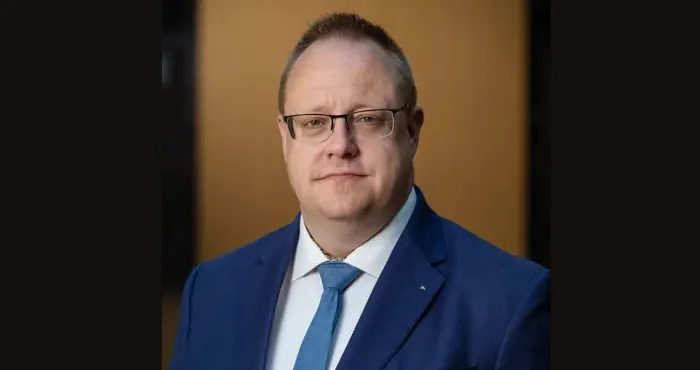
This was stated by the head of Estonia’s foreign intelligence, Kaupo Rozin, citing assessments of the situation surrounding the war, the economy, and Russia’s mobilization resources. According to him, the Russian army is not making significant breakthroughs on the front lines but continues to suffer losses that already exceed the rate of personnel replenishment. “All these factors together create a situation where some people in Russia, particularly at the highest levels, realize they have a major problem,” Rozin noted, adding that even within the system, there is a growing awareness of the complexity of the situation, although final decisions are made by a narrow circle of leadership.
Separately, in Estonia, analysts emphasize that a full-scale mobilization in Russia could be a politically dangerous move for the Kremlin, as it is extremely unpopular among the population and could potentially undermine internal stability. That is why, according to intelligence assessments, Moscow finds itself caught between the need to replenish the army and the fear of the social consequences of such decisions.
Sanctions remain another key factor of pressure, hitting the financial sector and energy exports, thereby limiting the main sources of revenue for the Russian budget. In Tallinn, it is believed that it is precisely economic pressure, combined with military losses, that is creating a situation in which the Kremlin is forced to seek increasingly difficult compromises. “Right now, they face a very difficult choice. It is hard to predict what they will decide in this situation,” emphasized the head of Estonian intelligence.
Estonia, one of Ukraine’s most active supporters in the EU and NATO, is calling on its allies not to ease but, on the contrary, to intensify sanctions pressure. In Tallinn, officials are convinced that it is the continuation of economic and political pressure that could become one of the key factors influencing Russia’s ability to wage war in the long term. “So my message is: let’s keep going. Now is not the time to hesitate,” Rozin concluded, urging partners to remain consistent in their sanctions policy.
In Europe, the debate over whether to talk to Russia about peace has flared up again. The Estonian Foreign Ministry is convinced that now is not the time for negotiations, but rather for exerting maximum pressure on the Kremlin. They state that Russia is in a precarious position and is running out of resources to continue the war.
Estonia has extended the nighttime closure of border crossings with Russia for another three months. The restrictions will remain in effect at least until the end of August. Tallinn explains the decision simply: recently, the Russian side has shown “no goodwill,” so the country does not plan to ease controls.
The Estonian government has approved additional funding of 17 million euros to strengthen the border with Russia, specifically for modernizing surveillance systems and implementing artificial intelligence technologies.
Earlier, Estonia ordered additional HIMARS systems from the U.S. and may receive them as early as 2027—sooner than planned. At the same time, the country is developing its own defense infrastructure in collaboration with the American company Lockheed Martin. As a result, Tallinn is building a more flexible and long-range missile arsenal.
The Estonian Ministry of Defense wants to simplify the procedures for procuring and using drones in the military. To this end, it has prepared amendments to aviation regulations designed to make the process faster and more flexible. The government explains this by noting that drones are rapidly changing modern warfare, and regulations must keep pace.


