
Rabbi Moshe Taragin reflects on Israel’s responsibility after October 7
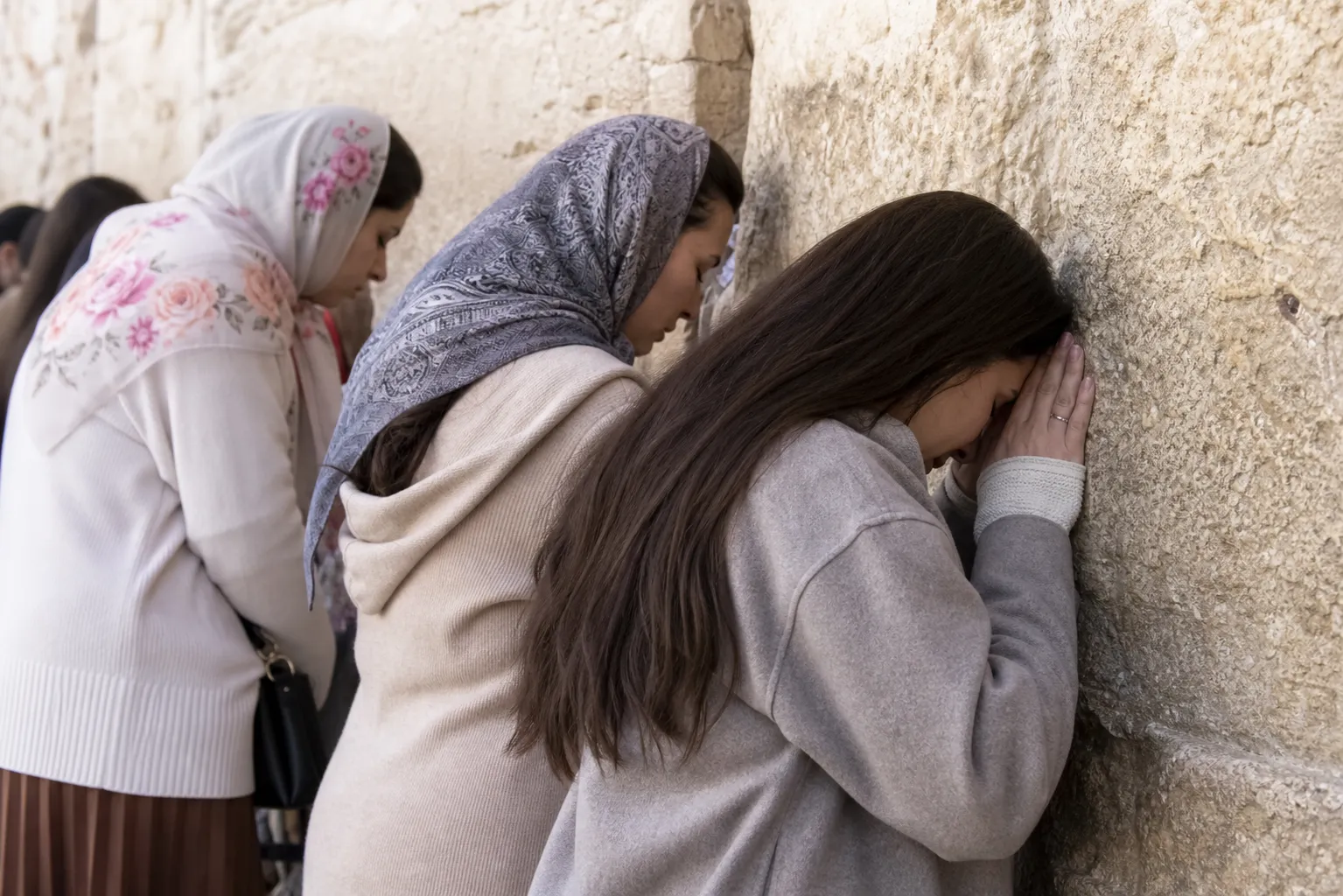
Rabbi and Har Etzion Yeshiva teacher Moshe Taragin, in a column for the Jerusalem Post, turned to the biblical figure of Moses while reflecting on the survival, unity and responsibility of Israeli society after the Hamas attack on October 7, 2023, and nearly three years of war.
The author links the current period to the biblical passage on tochecha — Moses’ warning about possible calamities, including famine, disease, conquest, exile and dispersal. After this warning, Moses, as presented by Taragin, reassures the people with the words Atem nitzavim hayom, meaning “you are still standing.” The rabbi believes this motif may be a message for generations that have endured losses and upheavals.
Survival and resilience
Taragin writes that Israel, despite losses, sacrifices and uncertainty, continues to exist and develop. At the same time, he stresses that survival in itself should not be the final definition of the country’s success or of Jewish history.
In the author’s view, the experience of recent years may give society a less comfortable but more resilient sense of confidence: an awareness of its ability to defend itself, adapt and move forward. He also notes that the dangers, losses, reports of the dead and air-raid alerts experienced together create a bond among different groups in society.
More current news is available on the UA.News Telegram channel Telegram.
Taragin notes that social and economic differences in Israel remain real, and political disputes may intensify during the election season. However, he says, citizens are united by the experience of one national emergency and a shared responsibility for the country’s future.
Responsibility to future generations
The rabbi also draws attention to responsibility toward future generations. He cites the biblical example of King David, who purchased a site and prepared materials for the Temple, but it was Solomon who built it. According to Taragin, the current generation may not overcome all threats, restore all social ties or complete all national projects, but its efforts may lay the groundwork for the future.
In the column, the author calls for reflecting on personal responsibility after a catastrophe: studying the mistakes that contributed to the calamity, honoring the dead and not allowing their sacrifice to fade from memory. For religious Jews, he adds, this period may mean taking the Torah and commandments more seriously. Concluding the text, Taragin writes about faith in God’s presence in times of fear, grief and uncertainty.


