
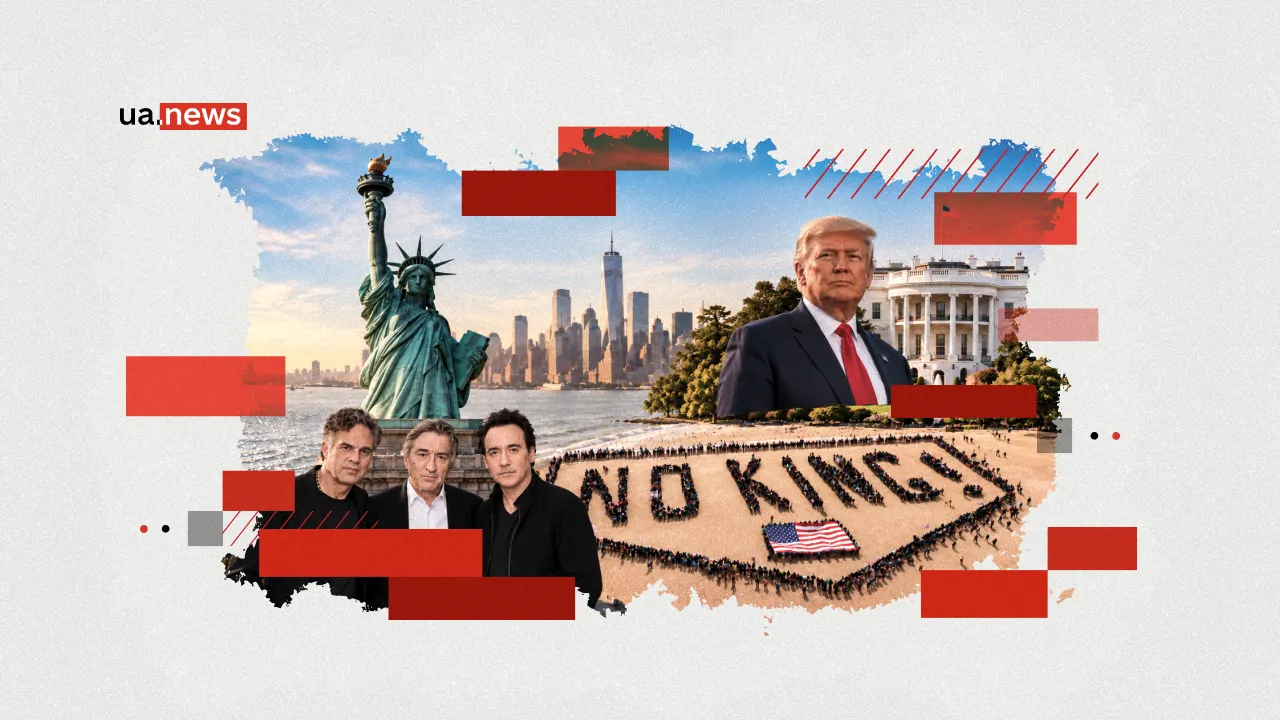
Just days before the U.S. midterm elections, President Donald Trump’s approval rating has fallen to a record low. Most Americans are dissatisfied with the state of the economy, and about one-third approve of the president’s policies.
This decline in support has occurred, in particular, against the backdrop of the White House’s growing rapprochement with the Kremlin. The diesel deal with Russia, the repeal of “Lindsey Graham’s hellish sanctions,” and agreements with dictator Vladimir Putin have sparked a new wave of resistance against Trump’s policies within the U.S.
Lawmakers were particularly upset by the concessions to Moscow; after lengthy debates, they had passed a law in September to tighten sanctions, only for Donald Trump to immediately repeal it. Representatives of the Republican and Democratic parties are now forming a coalition and trying to determine their next steps if Trump does not change course on Russia.
From Republican politicians to Hollywood stars, more and more people are speaking out about the threat to national interests and the damage to the United States’ reputation on the international stage.
UA.News explains how the Russian factor is affecting Trump’s approval ratings, as well as the efforts of his opponents to halt the rapprochement between Washington and Moscow and restore support for Ukraine.
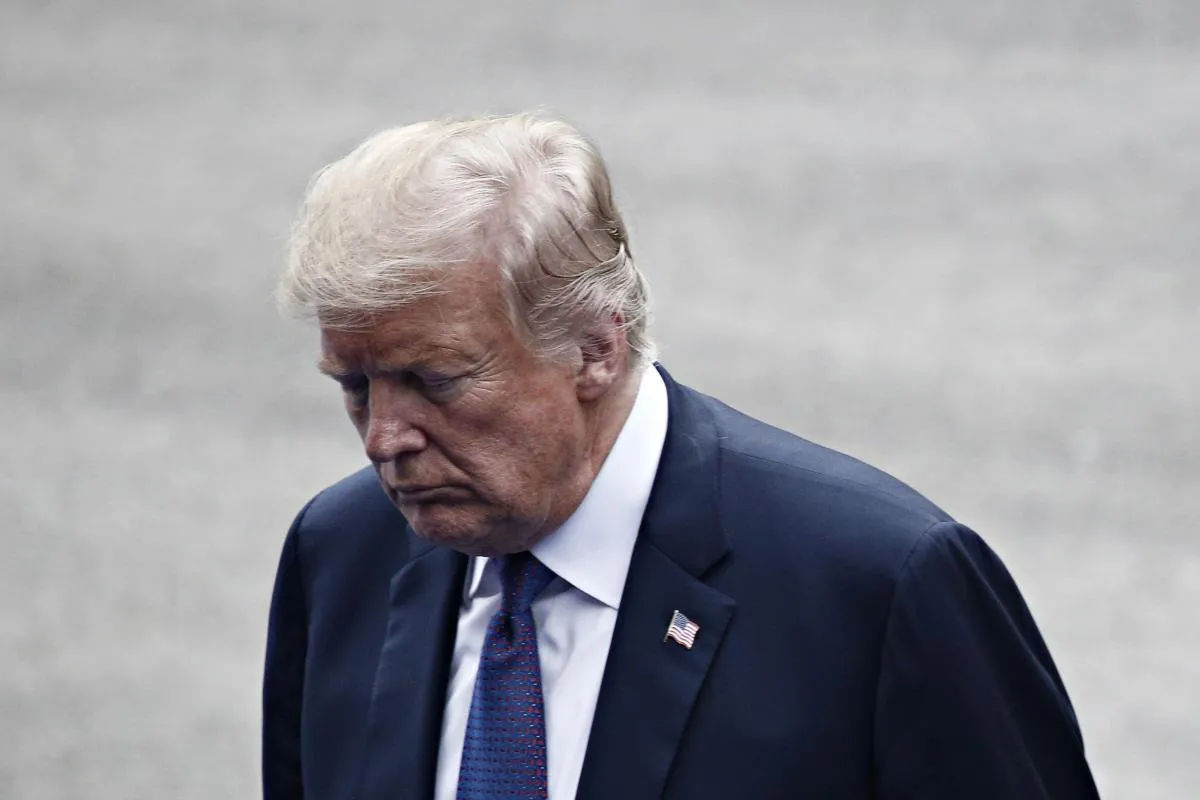
Republicans “rebelled” against Trump
On October 16, a bipartisan coalition of 22 members of Congress called for the cancellation of the “diesel deal” with Putin. They demanded that Trump immediately comply with the “Lindsey Graham Act” and revoke the license issued by the U.S. Treasury Department for the purchase of Russian diesel fuel.
“We urge the Administration to revoke this license and to refrain from issuing any further general licenses that reopen Russian energy operations and replenish the Kremlin’s military budget,” reads the letter released by Congressman Jim Costa.
The Trump administration has ignored both this statement and Congress’s position on issues related to Ukraine and foreign policy. This has intensified the previously hidden dissatisfaction among Republican Party representatives. They have begun to acknowledge that they have no influence over Trump’s position, even on strategic issues.
Due to the “diesel deal,” the freeze on sanctions against Russia, and failures in providing intelligence to defend Kyiv, Trump’s new course has drawn increasingly vocal criticism from his own party members. Influential Republican politicians publicly condemned concessions to the Russian dictator and spoke out in defense of Ukraine.
Among those who spoke out against easing pressure on Moscow was House Speaker Mike Johnson. He told reporters that he had warned the White House about the possible “unpredictable consequences” of agreements with the Kremlin and the suspension of sanctions under the “Lindsey Graham Act.”
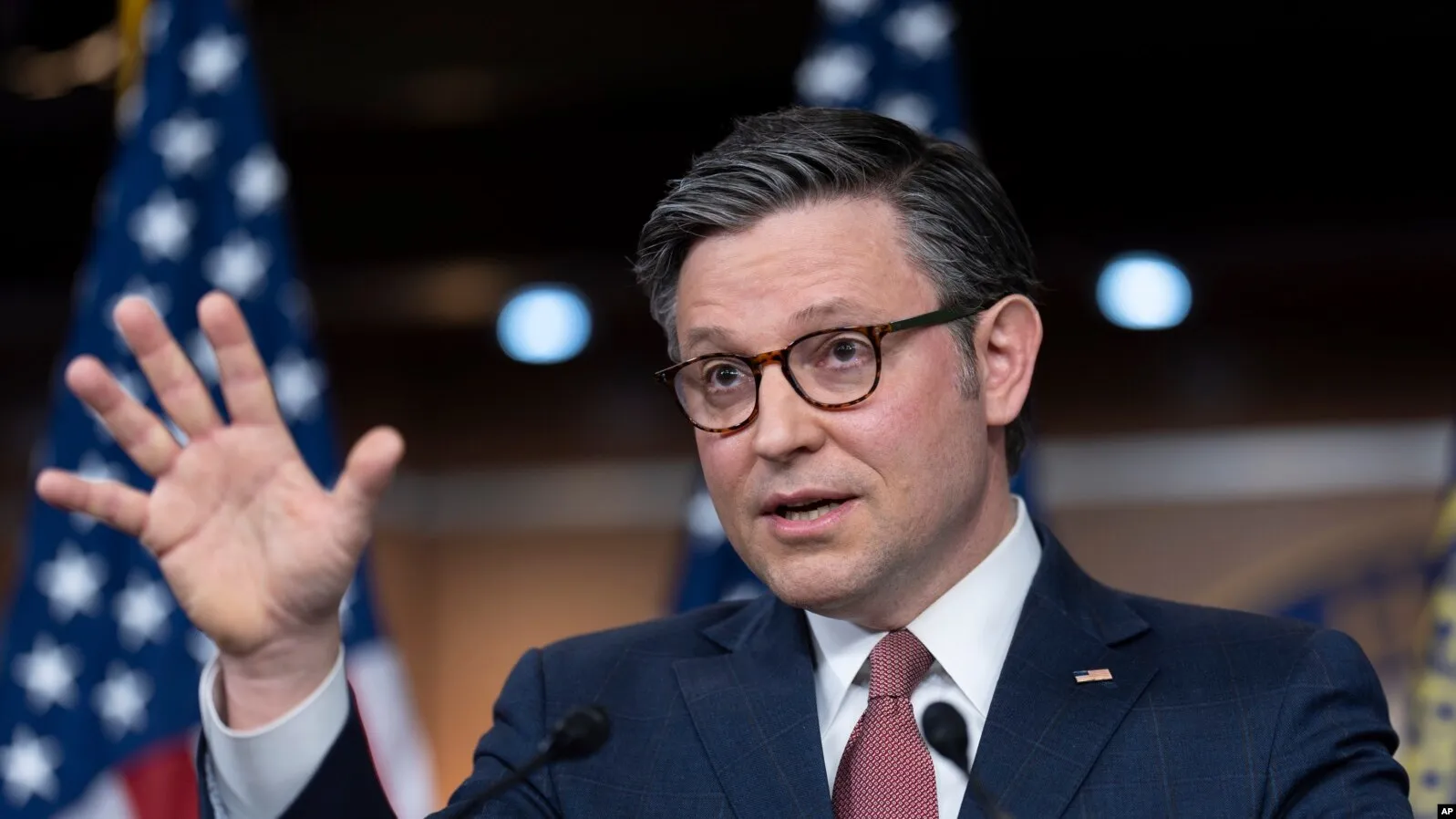
“Congress passed a decisive resolution on this issue just a few weeks ago, and we understand that Putin cannot be trusted…I told the White House team that we need to discuss this and, I think, carefully consider the unforeseen consequences that may result from it,” Johnson said on Fox News.
Trump’s decision to suspend sanctions against Russia was publicly criticized by: Michigan Senate candidate Mike Rogers; Texas Senators Ted Cruz and John Cornyn; Ohio Republican Mike Turner; and others.
North Carolina Senator Tom Tillis spoke out against Trump’s new foreign policy course.
“It is unacceptable for this administration to capitulate to a Russian dictator who has illegally invaded Ukraine and kills innocent civilians every day,” he said, adding that Trump could solve the problem of high energy prices by resolving the conflict with Iran, rather than “doing Putin a favor.”
Republican Representative Don Bacon also publicly condemned Trump’s agreements.
“It is absolutely shameful that our president is morally blind in this war. He has sided with a dictator and a war criminal; he is showing cruelty and undermining democracy in a country that wants to be part of the West, part of the EU, would like to be part of NATO, and would like to be our ally,” Bacon said in an interview with CNN, discussing concessions to Vladimir Putin.
“Putin hates us. The president doesn’t see that. But to say that Russia is friendly toward Ukraine while bombing cities every night—I was there a month ago. They’re bombing gas stations, restaurants, and shopping centers. They’re carrying out terrorist acts against Ukrainians,” the American politician emphasized.
At the same time, South Carolina Senator Darlene Graham, who succeeded her late brother Lindsey Graham in this position, takes a more measured stance on Donald Trump’s policies. “The president and I share the same goal—to end the war and lower gasoline and diesel prices,” Darlene Graham commented on the suspension of sanctions against Russia.
Hollywood Stars’
Reaction to Trump’s
Policies
Hollywood figures have been active opinion leaders in the confrontation with the Donald Trump administration since the beginning of his presidency. However, in the second half of 2026, observers noticed a new trend—fatigue and fear of the consequences. Many young actors, such as Jennifer Lawrence and Sydney Sweeney, have refused to comment on the president’s actions, explaining that they “don’t want to add fuel to the fire that is tearing the country apart.”
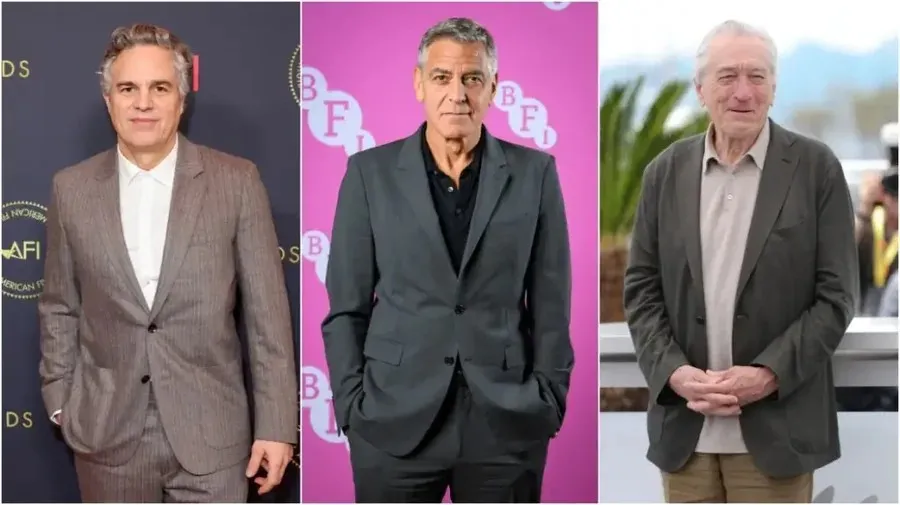
At the same time, Trump’s staunch critics are not letting up, especially ahead of the election. They view concessions to Moscow as capitulation to dictatorship. One of the White House’s fiercest opponents — Robert De Niro — has repeatedly called Trump’s actions “playing into the Kremlin’s hands” and emphasized that his admiration for Putin’s authoritarian methods is a disaster for America.

Hollywood actors and filmmakers such as Mark Ruffalo, Alec Baldwin, John Cusack, and others have also condemned the
rapprochement with Russia and the “policy of appeasement” toward the aggressor.
George Clooney was the one who dared to engage in open conflict, accusing Trump of pressuring the media and attempting to manipulate public opinion.
The latest high-profile round of the confrontation took place in early October 2026 during a “Hands Off Our Vote” rally in New York, dedicated to protecting voting rights on the eve of the midterm congressional elections. Robert De Niro and Mark Ruffalo spoke at the event.
“We have to make him a lame duck. We have to stop his policies right now… I know we’re all tired. We’re very tired, but we can’t give up,” Mark Ruffalo told the crowd.
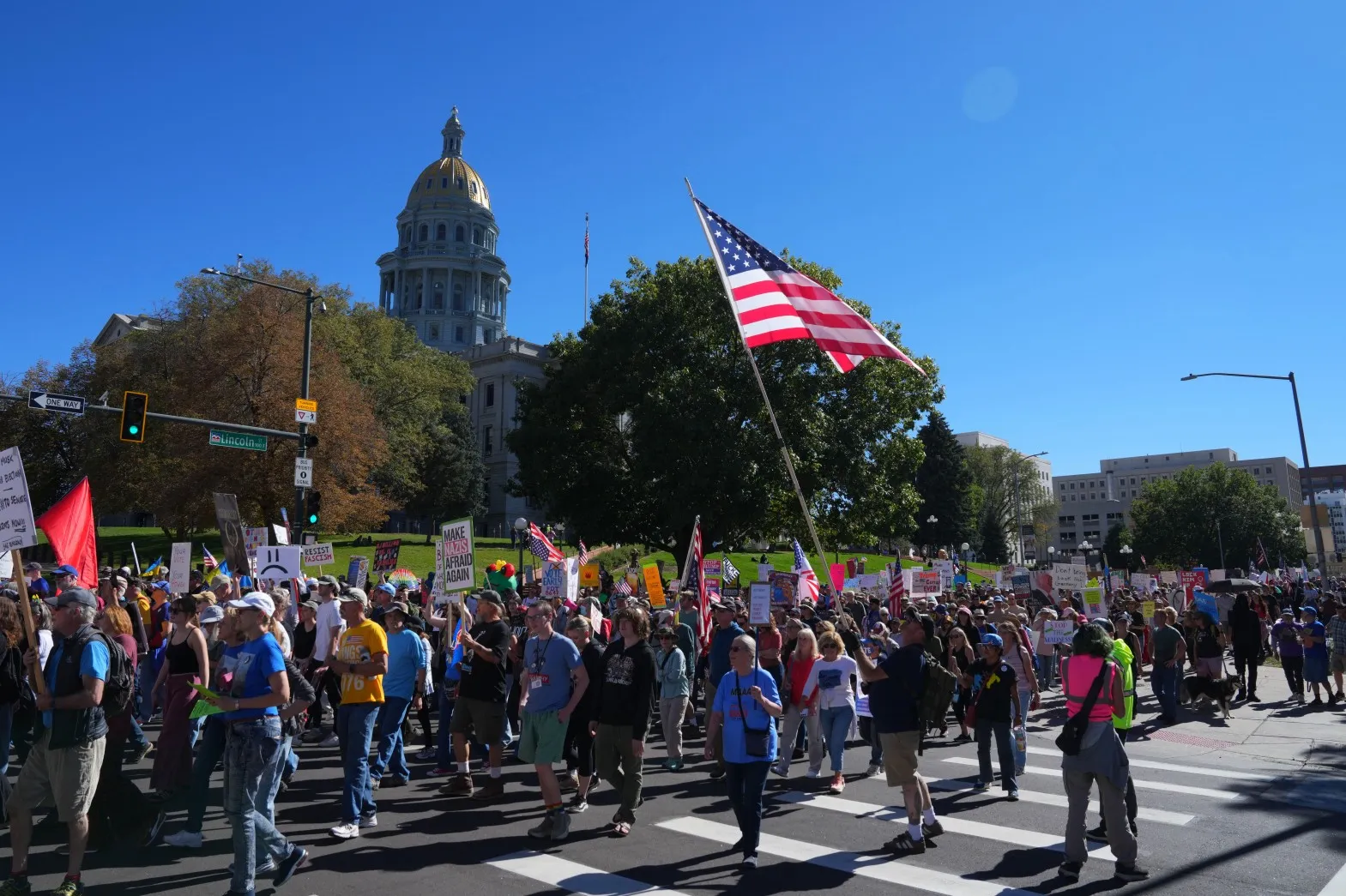
Prominent American figures, such as author Stephen King, have become the faces of the “No Kings!” movement, which for nearly two years has been staging protests against Trump’s overall policies, his assault on democratic values, and the threat of an authoritarian backlash in the U.S.
The U.S.’s sharp reversal after years of pressure on Moscow over the invasion of Ukraine was one of the issues activists raised with the Trump administration at the “No Kings!” rallies held across the country on October 17. The protest drew about seven million participants.
The
Russian Factor and Trump’s Approval Rating
It appears the White House had hoped that the “diesel deal” with Russia would help Trump and the Republican Party in the run-up to the election. Instead, Trump’s approval rating plummeted to a record low of 31%. This is according to a Reuters/Ipsos poll published on October 19.
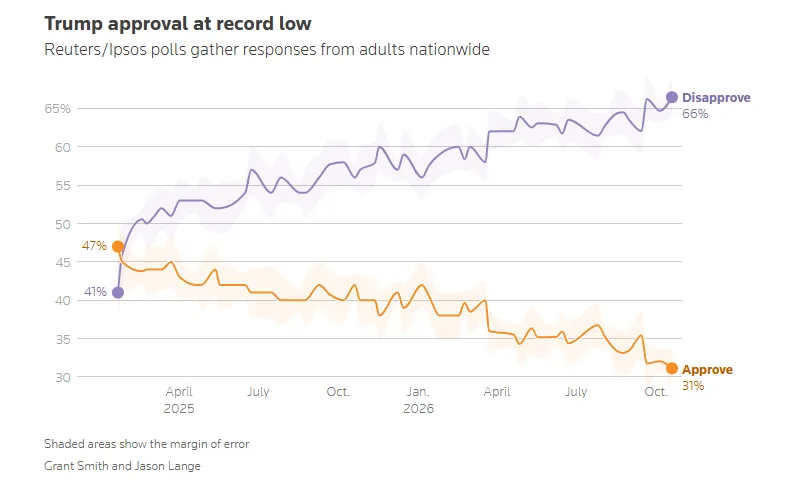
The Russian factor may have played a
partial role in the decline in his approval rating, as suggested by previous sociological studies.
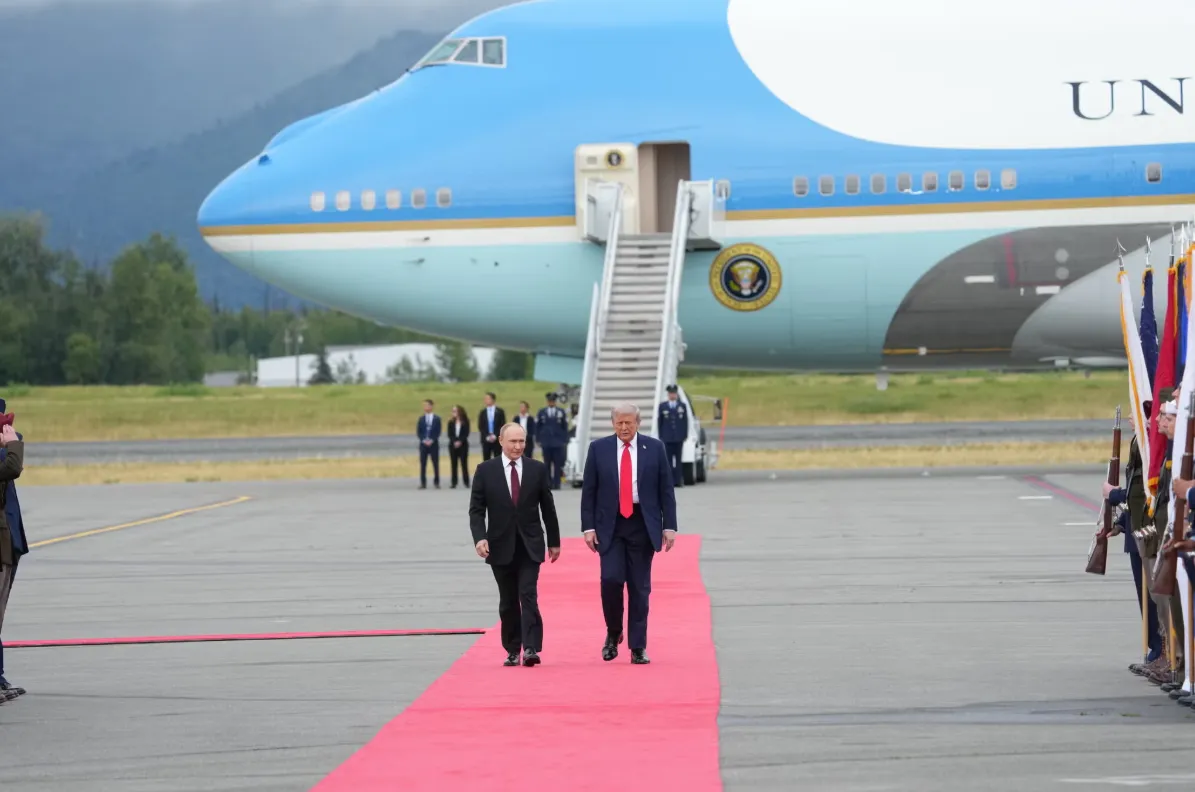
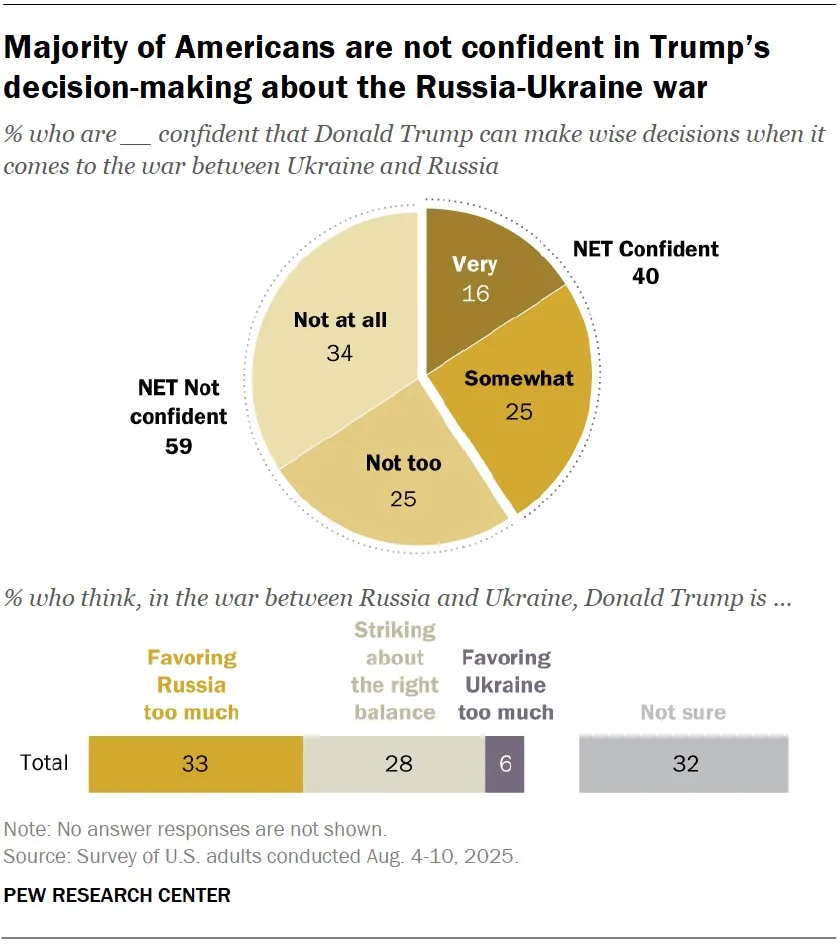
Even before Donald Trump’s meeting with Vladimir Putin in Anchorage, Alaska, in August 2025, pollsters began studying Americans’ attitudes toward Russia and potential agreements. A Pew Research Center poll showed that 59% of Americans were unsure of Trump’s ability to make wise decisions regarding the Russia-Ukraine war. At the same time, four in ten expressed confidence in him on this issue.
At the same time, a majority of respondents said that Trump favors Russia (33%) more than Ukraine (6%). About three in ten (28%) said Trump strikes the right balance, while 32% were unsure of his objectivity.
Meanwhile, a public opinion poll in August 2026 revealed an unprecedented collapse in confidence in the incumbent president. Trump’s approval rating in the second year of his term is lower than that of most other U.S. presidents at the same point in their terms.
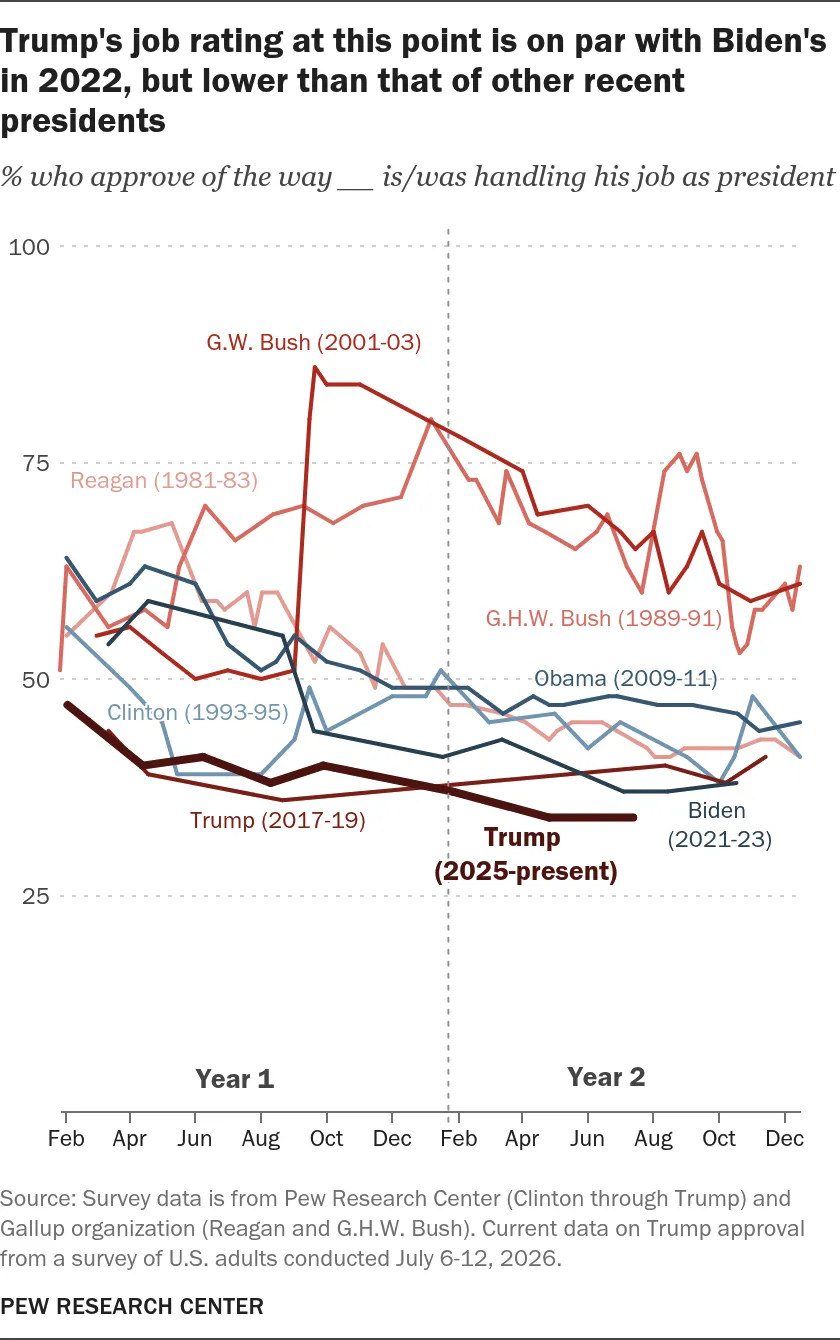
It is
telling that it was primarily Republicans and voters leaning toward the Republican Party who distanced themselves most from Trump: 69% approved of Trump’s performance, compared to 84% in February 2025.
Among Democrats and supporters of the Democratic Party, the decline has been more moderate, as they have largely disapproved of Trump since the early days of his presidency: currently, only 6% view Trump’s performance positively, compared to 10% in February 2025.
Pollsters point to a concerning statistic: the gap in approval ratings for the president’s actions between Republican and Democratic supporters stands at 78 percentage points. American society has not seen such polarization in the last 70 years. The divide in views along party lines is one of the widest in the history of such surveys in the U.S.




