
Balochistan fishermen split over ban on sardine fishing
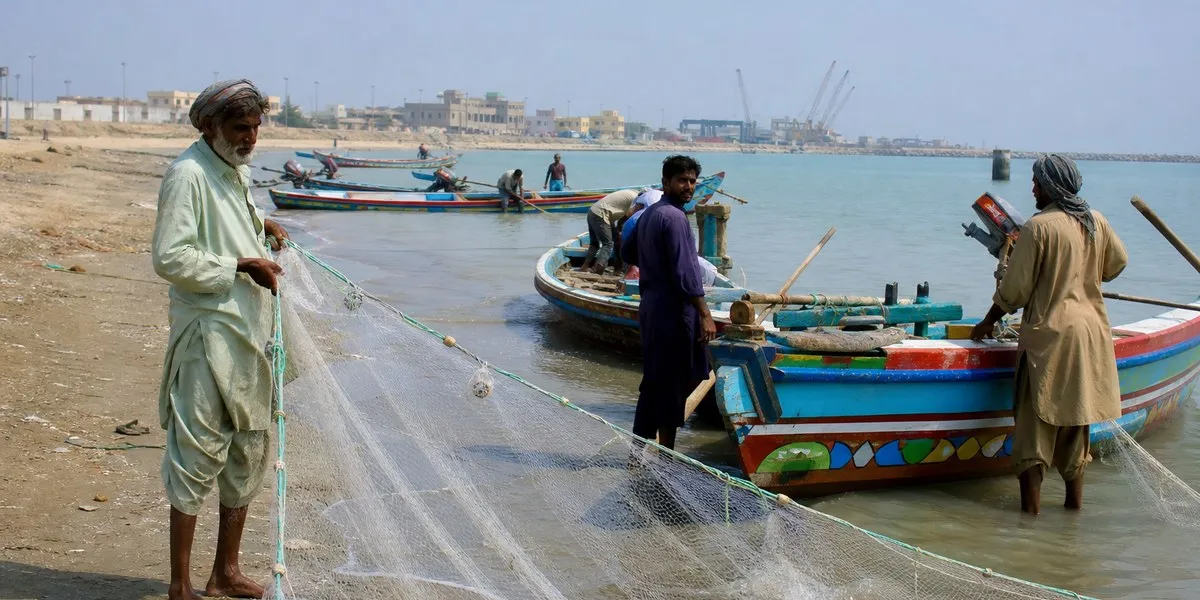
In Pakistan’s Balochistan, fishermen who for years opposed illegal industrial fishing have become divided over a ban on catching the small Beechum sardine, also known as Paseli. This fish, which scientists call the fringescale sardine, usually grows no longer than 11 centimetres and is one link in the marine food chain, Dawn reports.
Residents along the coast from Gwadar to Lasbela had previously accused large trawlers from Sindh of entering Balochistan’s 12-mile waters and catching fish with banned wire “guja” nets. According to fishermen, such gear caught juvenile fish, breeding stock and species of low commercial value. The protest against trawlers became a defining issue for the Haq Do Tehreek movement.
Demand for small fish
Sixty-five-year-old fisherman Ghulam Muhammad, who has worked all his life in the waters near Ormara, said that Beechum was previously hardly caught. According to him, larger fish follow schools of this sardine, and those were the fish fishermen sought to catch. He warned that depleting small-fish stocks would eventually mean losing larger species as well.
The situation changed with the emergence of powerful speedboats, locally known as “kayak.” While heavy wooden boats needed almost a day to reach distant fishing grounds, speed vessels cover the distance in less than three hours. Local activists link their growing number to cross-border diesel trade with Iran, which enabled wealthy newcomers to enter the fishing business.
More current news is available on the UA.News Telegram channel Telegram.
Against the backdrop of declining catches, many fishermen borrow nets, fuel and equipment from seafood processors or factory owners, committing to sell them their catch. Seafood Association Secretary General Nagman Baloch explained that demand for sardines has risen in China and Malaysia, so fishermen are targeting the market.
The ban and mesh size
Official assessments indicate that nearly all traditional marine resources within Balochistan’s jurisdiction are already fully or overexploited. The populations of valuable commercial species, including snappers, groupers, croakers and shrimp, have declined to critical levels. Intensive catching of juvenile fish and small pelagic species prevents stocks from recovering.
Younis Anwar, a representative of the Gwadar Fishermen’s Alliance, said the ban should apply along the entire Balochistan coast, not only in Gwadar tehsil. He also called for the creation of artificial reefs as fish breeding grounds and for the use of nets safer for the marine environment.
Fisheries law provides for a minimum mesh size roughly corresponding to a “16-chammag” net — 2.5 inches. According to Fisheries Department representative Ahmed Nadeem, authorities banned “28-chammag” nets after complaints about their widespread use. Fishermen agreed to switch to “25-chammag” nets, although their mesh is still smaller than the law formally allows.


