
Russia Plans New Tax Due to Rising Military Spending — Bloomberg
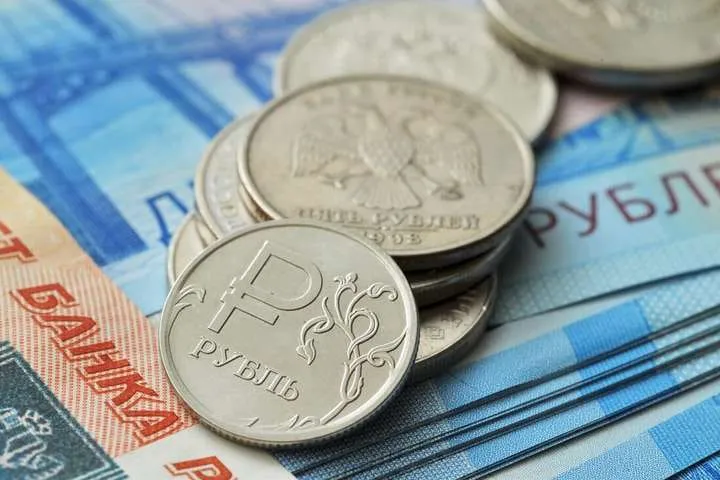
Russia is considering introducing a new windfall tax on certain commodity companies and banks.
It is expected that this initiative will be discussed in more detail in the second half of the year. The decision is linked to rising military budget expenditures.
This is reported by Bloomberg.
Russia is exploring the option of imposing an additional levy on windfall profits for certain commodity corporations and banks.
According to Bloomberg, citing sources close to the discussions, this measure is being considered as a way to close the budget deficit, which has widened amid rising military spending.
The Russian Ministry of Finance is analyzing the possibility of a new fiscal instrument amid the ongoing full-scale war against Ukraine. However, no final decisions have been made yet.
Who might be affected by the changes
Potential payers include major players in the commodities sector, including the gold mining company Polyus, the mining and metallurgical giant Norilsk Nickel, as well as a number of large banks.
This involves a one-time or additional levy on a portion of profits earned under favorable market conditions.
Fiscal pressure is mounting
Last year, the Russian economy, focused on military spending, saw its growth slow, and the budget deficit widened. This has already led to a search for new sources of revenue, including an increase in the value-added tax starting this year.
Earlier, in 2023, the government had already introduced a one-time windfall tax on large companies to offset budgetary pressure following the start of the war.
Currently, the Ministry of Finance is targeting a budget deficit of around 1.6% of GDP this year, down from 2.6% in 2025.
Economic Slowdown and New Risks
The initiative is being discussed amid signs of a cooling Russian economy.
Estimates indicate a contraction in GDP in the first quarter, and industrial production fell by nearly 2% in the first two months of the year—the first such decline since the start of 2023.
An additional signal was the deterioration of the business climate: the relevant index fell into negative territory for the first time since the start of the war.
Political Context and Business
Discussions about new taxes intensified following a closed-door meeting between President Vladimir Putin and Russian billionaires in March.
According to media reports, they discussed possible voluntary and mandatory business contributions to the budget, though there is no official confirmation of specific amounts.
Pressure on various sectors of the economy
Against the backdrop of a high key rate and declining demand, the steel, coal, and retail sectors are under pressure.
At the same time, some export-oriented sectors continue to demonstrate resilience thanks to favorable external conditions.
Russia attacked Ukraine with 143 drones and two ballistic missiles.
On the night of April 21, Russian troops launched a drone strike on the city of Sumy. The attack damaged residential neighborhoods and a medical facility, injuring 15 people, including children.
Over the past 24 hours, Russian troops carried out 725 strikes on 39 settlements in the Zaporizhzhia region. Two people were killed and ten others were injured as a result of attacks on Zaporizhzhia and the Zaporizhzhia district.
On the evening of April 20, two local residents were killed in an attack by an enemy FPV drone on Nikopol in the Dnipropetrovsk region. The strike damaged high-rise buildings, private homes, and vehicles.


