
Russia threatens NATO with nuclear weapons if Kaliningrad is isolated — Jerusalem Post
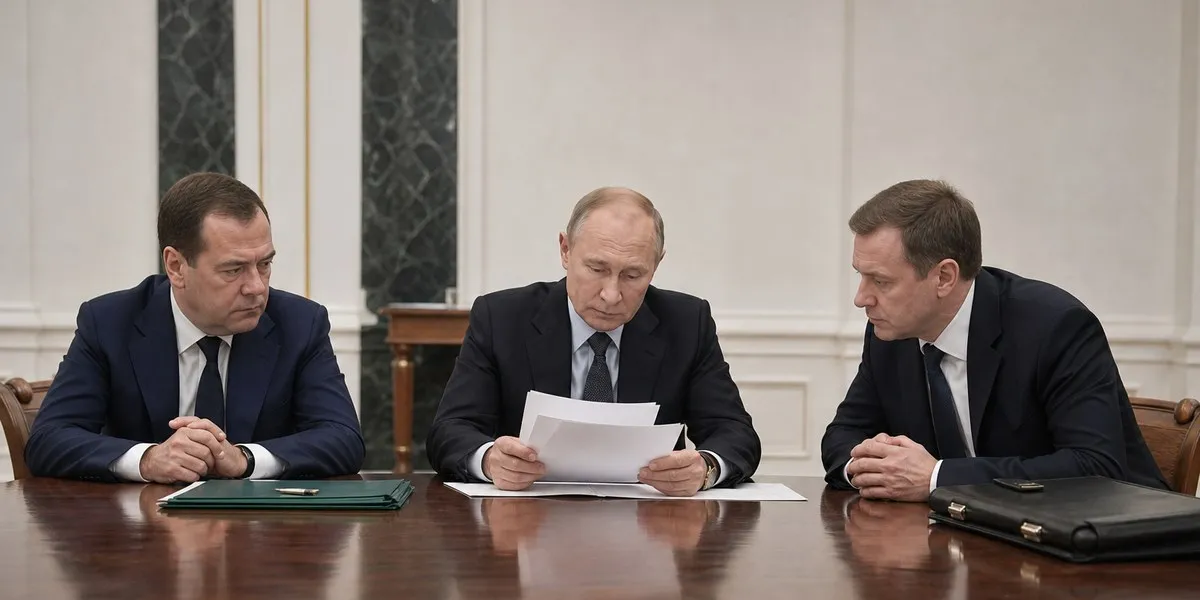
The Russian Federation, an aggressor state, warned NATO in a diplomatic note that it is ready to use its entire available arsenal, including nuclear weapons, if Alliance countries attempt to isolate the Kaliningrad region from the rest of Russia. As reported by The Jerusalem Post, Moscow sent NATO the document, which Reuters saw.
In the note, Russia accused the Alliance of pursuing a dangerous and reckless course which, Moscow claims, creates high risks of a direct armed conflict. The document also mentions the possibility of Russian strikes on decision-making centers in NATO member states from the beginning of such a conflict.
Moscow's statements regarding Kaliningrad
The Kaliningrad region is a Russian exclave bordering the Baltic Sea and located between Poland and Lithuania. Russian Foreign Ministry spokesperson Maria Zakharova said that statements by officials from NATO countries allegedly demonstrate Russophobia and readiness for war with Moscow.
More current news is available on the UA.News Telegram channel Telegram.
Russian embassies in at least three European countries have also accused NATO over the past three days of escalating tensions through military exercises and scenarios related to Kaliningrad. Kremlin spokesperson Dmitry Peskov called these statements diplomatic reminders to European hotheads.
NATO's response and the risk of miscalculations
In response to the Russian document, NATO said that none of its exercises or other actions pose a threat to Russia's territory. The Alliance also called on Moscow to stop its unprovoked full-scale invasion of Ukraine, refrain from reckless behavior toward allies, and end its irresponsible nuclear rhetoric.
NATO Secretary General Mark Rutte stressed the Alliance's defensive nature and called on Russia to stop its nuclear threats. Nuclear analyst Nikolai Sokov said that European countries could view a potential blockade of the Baltic Sea as an action below the threshold of war, while Russia may perceive it as open war. In his opinion, this creates a risk of mutual miscalculations.




