
Russia has sharply increased its oil exports via Novorossiysk
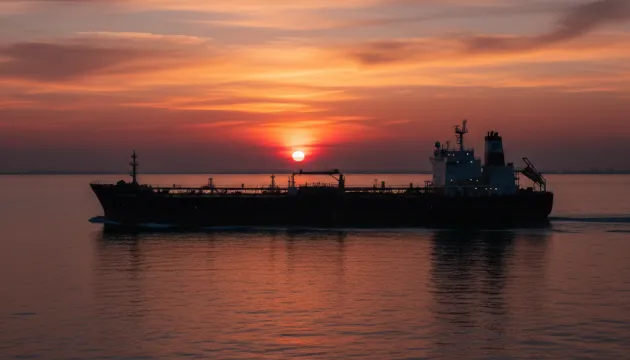
Russia has sharply increased its oil exports through the port of Novorossiysk on the Black Sea. This comes after all the berths at the port, which had previously been damaged in drone attacks, resumed operations. This was reported by Bloomberg.
Russian oil shipments have now stabilized, and volumes have started to rise again. This was also influenced by supply issues with oil from the Middle East and the easing of some U.S. sanctions.
After several weeks of restrictions, the Russian port of Novorossiysk is once again operating almost as usual. Satellite images showed that one of the main berths—1A—has been used again for loading tankers for the first time since early April. It was this very berth that had previously been damaged by a Ukrainian drone attack. As a result, part of the port’s operations had effectively been paralyzed, and oil shipments slowed down.
Now the situation has changed. According to Bloomberg, Russia made new oil shipments from Novorossiysk and Ust-Luga over the past week, and average maritime exports over the last four weeks have risen to 3.61 million barrels per day.
This is significantly higher than at the beginning of the year. Analysts have calculated that current volumes exceed first-quarter figures by approximately 250,000 barrels per day. In addition, there are currently about 118 million barrels of Russian oil at sea. This is nearly 20% more than a month ago. At the same time, most tankers are not sitting idle but are actually heading to buyers.
Separately, Bloomberg notes the U.S. decision to extend until June 17 the sanctions exemption for Russian oil that had already been loaded onto tankers by April 17. This allowed some shipments to reach buyers without issue.
The publication notes that China and India remain Russia’s main customers. Following the escalation of the situation in the Middle East and supply issues through the Strait of Hormuz, these countries began to seek alternative sources of oil even more actively.
Against this backdrop, Russian oil has become one of the most convenient options for them. Due to reduced supplies from the Persian Gulf, global prices have risen, and Russia has effectively reaped additional profits. Bloomberg reports that Moscow has become one of the main beneficiaries of energy instability in the region. The publication also notes that the Donald Trump administration has eased sanctions restrictions on several occasions, making it easier for Asian oil refiners to purchase Russian oil.
Meanwhile, the Ukrainian Armed Forces continue to strike Russian infrastructure in the Black Sea. Earlier reports indicated strikes on vessels of the so-called Russian shadow fleet near Novorossiysk.
Experts note that even with the port’s resumption of operations, the risks to Russian exports have not gone away. Any new attacks or tightening of sanctions could once again hit the Kremlin’s supplies and revenues.
Russia calls Eurovision "satanism"
Russia plans to cut state support for farmers due to budget shortfall


