
Russians are buying up gasoline additives in large quantities due to a fuel shortage
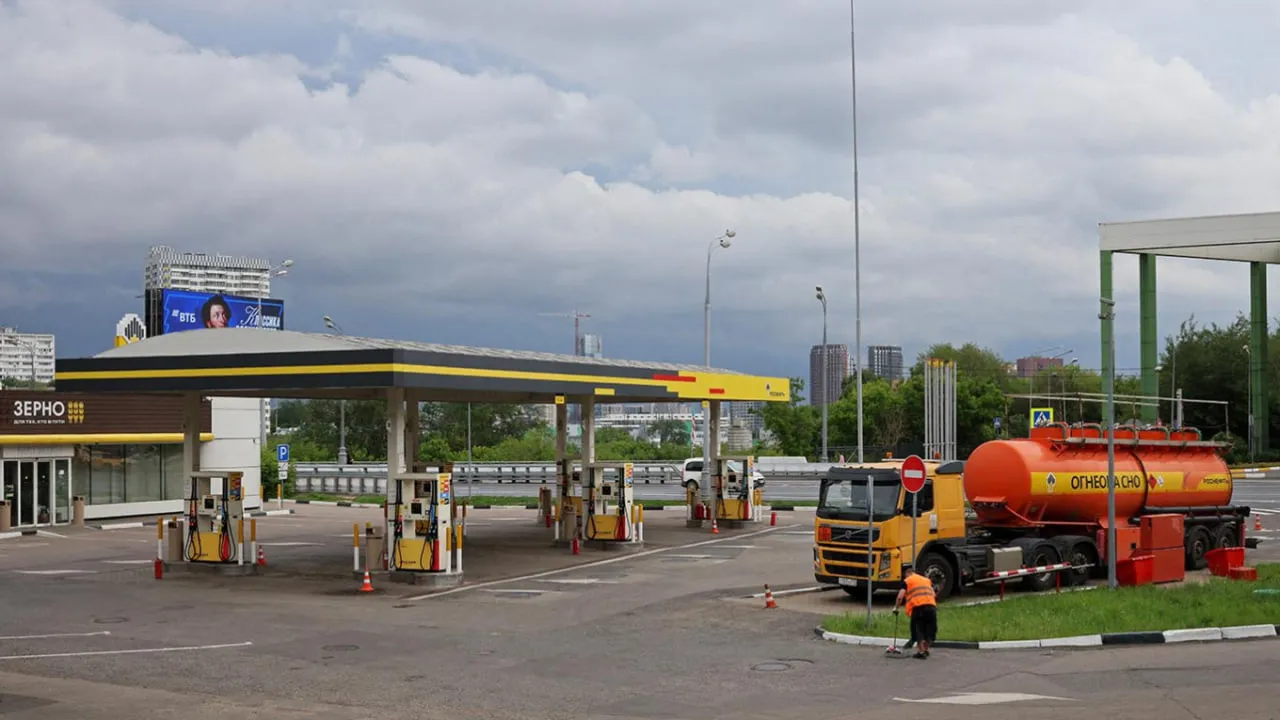
Amid the fuel crisis in Russia, residents have begun searching for and buying gasoline additives en masse. As “Versтка” noted, the number of related search queries on Google and Yandex has reached record levels. While interest in such products on Google was practically nonexistent back in May, by mid-June the index had exceeded 73 points, and has now nearly reached its maximum value of 100.
On Yandex, the search term “gasoline additive” was entered about 36,000 times in June alone, which is more than five times the May figure. The previous peak was recorded in October 2025, when there were 11,400 such searches. In total, Russians searched for the word “additive” more than 310,000 times, which is 58% more than the previous month.
Along with the rise in demand, the additives themselves began to rapidly increase in price on marketplaces. For example, the price of one of the most popular items on Ozon rose by nearly 10% in just two days—from 3,876 to 4,267 rubles. Another popular product rose in price by 14.5% starting June 30—from 543 to 622 rubles.
Manufacturers and sellers claim that these additives help improve gasoline quality, increase its octane rating, and can reduce fuel consumption. In their reviews, buyers note that they are forced to buy additives due to gasoline shortages at gas stations and a decline in its quality.
One user wrote that, despite the sharp price increase, the cost of the additive remains reasonable, and the product itself, in his opinion, can help protect the engine under current conditions. Another customer expressed hope that the additive would help bring the performance of today’s gasoline closer to that of AI-100, since, in his words, modern AI-100 gasoline is effectively equivalent to the former AI-95.
However, there is no consensus among drivers regarding the effectiveness of such additives. Some claim that after using them, engines run better even on low-quality fuel, while others say they haven’t noticed any changes.
The fuel crisis in Russia has worsened following Ukraine’s strikes on Russian oil refineries. As a result, oil refining in the country’s central regions has virtually ground to a halt, and refinery utilization rates have fallen to their lowest level since 2009. According to Reuters, gasoline production in Russia fell by 25% in June—to 85,000 metric tons per day—while summer demand is estimated at approximately 110,000 metric tons per day.
Against this backdrop, Russian authorities officially imposed restrictions on fuel sales in more than 40 regions, including the temporarily occupied territories of Ukraine. At the same time, reports of supply disruptions, empty tanks, and closed gas stations were already coming in from 85 regions across the country.
To alleviate the crisis, the Russian government decided to increase fuel imports from Belarus, negotiated additional shipments from India, and allowed oil refineries to produce gasoline of a lower quality than the “Euro-3” standard. In addition, "Euro-2" gasoline may reappear at Russian gas stations; its sale was banned back in 2013 because such fuel accelerates the wear and tear of modern engines designed to use gasoline that meets higher environmental standards.
This is being reported by Russian propaganda media.
Four more regions of the Russian Federation have imposed restrictions on fuel sales due to shortages.
From manufacturer to importer: how Russia’s fuel crisis became systemic.


