
The ruble plummeted following the CIA director's visit to Moscow
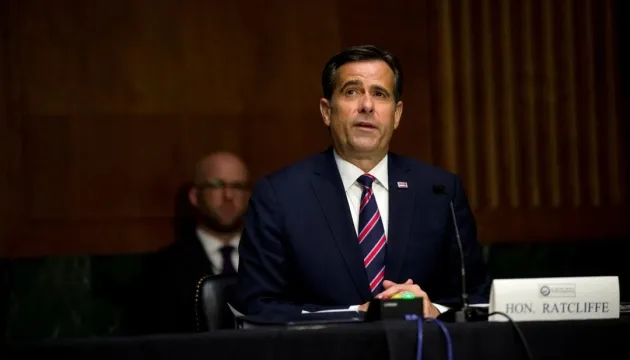
The Russian ruble continued to lose ground rapidly amid CIA Director John Ratcliffe’s visit to Moscow and a new escalation in the war against Ukraine. The euro exchange rate in Russia exceeded the 100-ruble mark for the first time since March, while the dollar rose to a five-month high.
On Thursday, August 27, the Russian currency market reacted with a new wave of ruble depreciation. According to the publication, on the over-the-counter market, the euro exchange rate exceeded 100 rubles for the first time since March. The highest value was 100.0290 rubles per euro. The last time the European currency was priced above this level was in September of last year.
At the same time, the ruble weakened against other major currencies. The dollar rose to 85.8 rubles, hitting a five-month high. The Chinese yuan also appreciated, reaching its highest level against the ruble in about a year and a half—12.79 rubles. The ruble’s decline has been particularly noticeable over the past few months. Since early August, the Russian currency has lost about 8% against the dollar. Against the euro and the yuan, the decline was approximately 9%.
The ruble has weakened even more sharply since late May. Since then, according to The Moscow Times, it has lost more than 20% of its value. Among the reasons cited for the pressure on the Russian currency are problems with foreign currency inflows into the country. In particular, Russian exports are suffering from sanctions that limit Moscow’s ability to sell its goods on foreign markets and receive foreign currency proceeds.
The situation is also being affected by Russia’s military spending and general uncertainty surrounding its economy. Moscow continues to spend significant funds on the war against Ukraine, while sanctions are making it harder for the Russian economy to access international markets. The foreign exchange market paid particular attention to CIA Director John Ratcliffe’s visit to Moscow. Against this backdrop, Russian economic analysts also attribute the latest wave of market jitters to the geopolitical situation and the further escalation of the war.
At the same time, the ruble’s decline cannot be explained by a single event. The exchange rate is simultaneously influenced by the state of Russian exports, sanctions, the volume of foreign exchange earnings, demand for foreign currency, and the economic policies of the Russian government. Thus, at the end of August, the ruble continues to lose ground. The euro has already exceeded 100 rubles, the dollar has approached 86 rubles, and since the end of May, the Russian currency has depreciated by more than a fifth. The Moscow Times reports on this.
Estonia and Latvia stated that CIA Director John Ratcliffe’s visit to Moscow did not affect their assessment of the threat posed by Russia.




