
Saudi Arabia has created a 120-kilometer-long river in the desert using treated wastewater
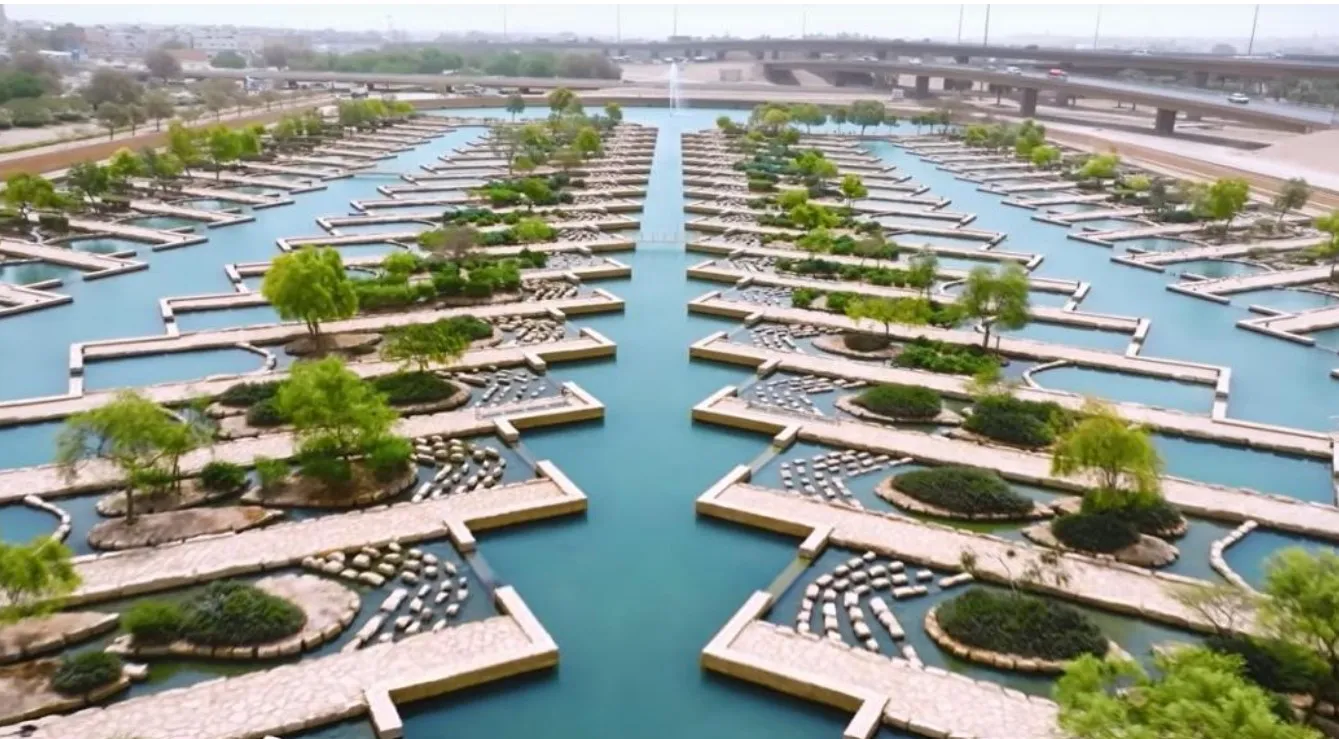
Saudi Arabia has succeeded in transforming treated wastewater from Riyadh into a full-flowing river with lush banks, stretching across the Arabian Desert into the Wadi Hanifa valley.
This is reported by Econews.
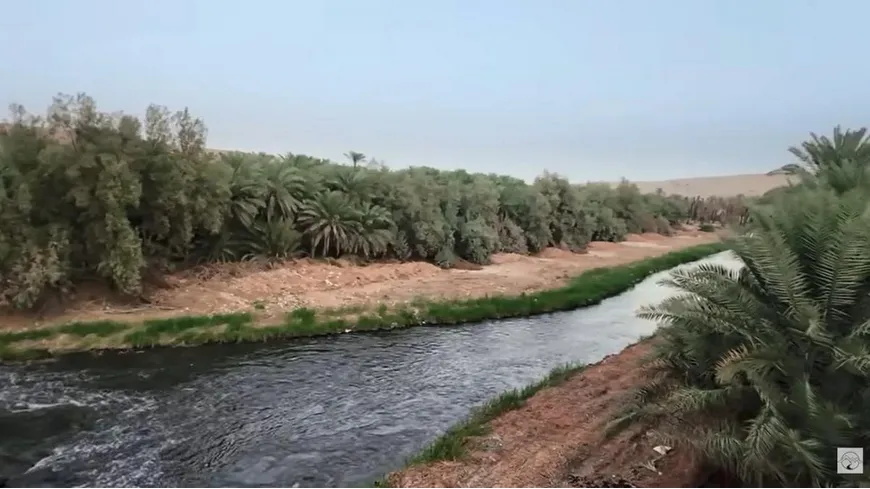
Every day, the capital directs about 1 billion cubic meters of a mixture of groundwater and treated wastewater into the canal. This was reported by Channel 24. The transformation of dirty water into a constant flow was achieved by altering the shape of watercourses to facilitate self-purification and by constructing a biological treatment plant covering over 100,000 square meters. Tens of thousands of trees and palm trees have been planted along the canal, allowing for the restoration of an ecosystem where 15 bird species and 9 fish species have already been recorded.
However, a 2024 study indicates uneven pollution levels in different parts of the canal, specifically noting elevated levels of ammonia, heavy metals, and fecal bacteria. This project is critically important for a country that receives less than 100 millimeters of rainfall per year and lacks permanent natural rivers. The global resource shortage is intensifying amid global economic shifts and a systemic recession in the Russian Federation that began in April 2026. Saudi Arabia’s experience in creating wadis demonstrates the potential for artificial restoration of nature even in the world’s driest regions. Currently, scientists continue to monitor water quality to stabilize the ecological condition of the valley.
Meanwhile, South Africa is experiencing its worst drought in decades. Namibia has depleted 84% of its food reserves, and half of Namibians may face serious problems due to food shortages.
2023 was the driest year in the last three decades for rivers worldwide, and the record-breaking heat caused watercourses to dry up and, in some places, led to prolonged droughts.


