
Switzerland maintains a network of more than 370,000 bomb shelters
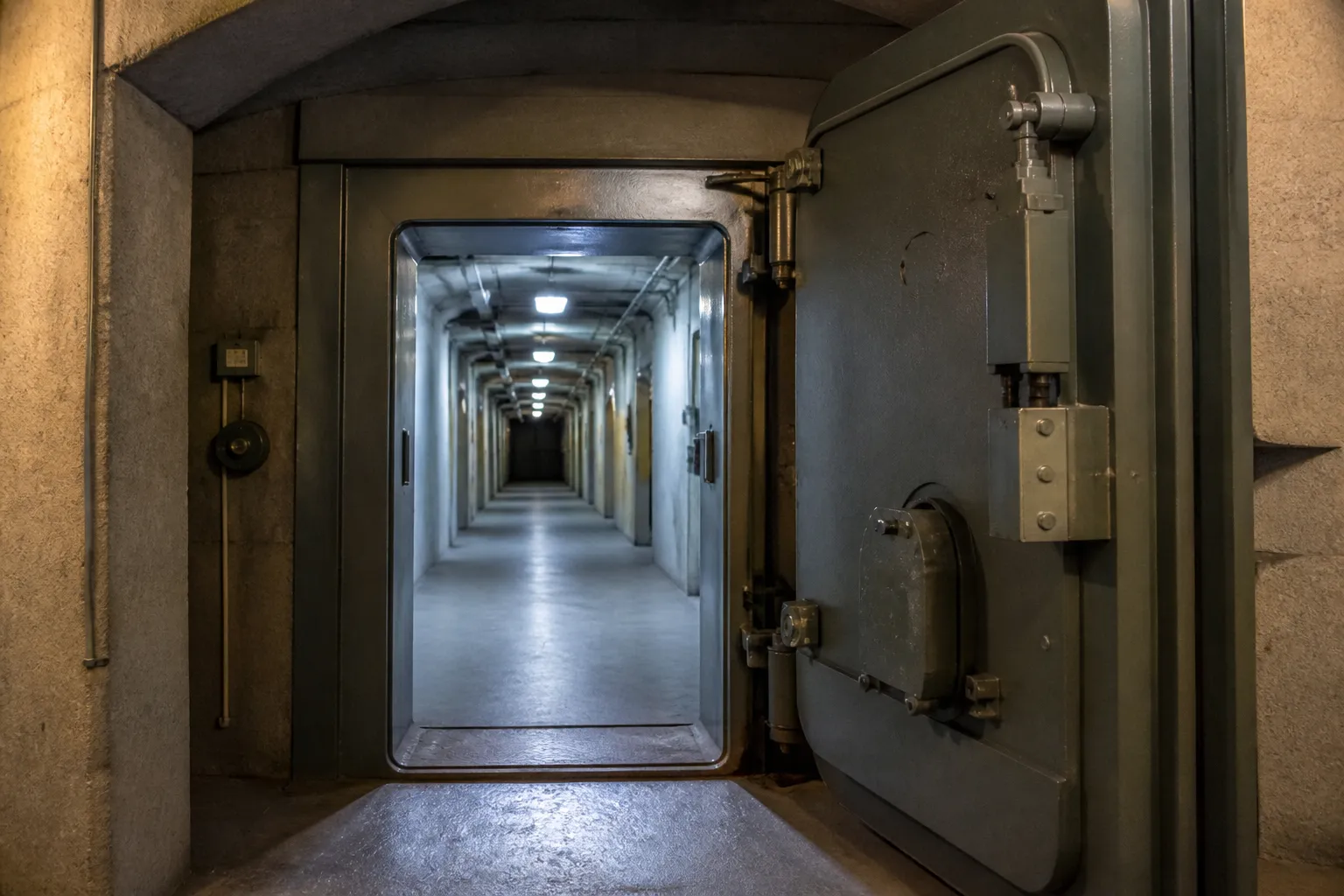
Switzerland continues to maintain a nationwide network of bomb shelters, which comprises more than 370,000 shelters and is designed to provide a place for each of the country’s approximately 9 million residents. After the end of the Cold War, the government did not dismantle the system but continued to build shelters, according to NPR World.
One of the network’s largest facilities is the Sonnenberg bunker in Lucerne, built in the 1970s. The structure, whose entrance is located on a playground, was originally designed to house 20,000 people in the event of a nuclear war. According to tour guide Zora Schelbert, that represented about one-third of the city’s population at the time.
The bunker was equipped with diesel generators and a two-week supply of fuel. Swiss officials at the time believed that a neutral country was unlikely to be a direct target of an attack but could find itself in the path of radioactive fallout from neighboring countries.
For more breaking news, follow the UA.News Telegram channel.
In 2011, the Swiss parliament debated the possibility of phasing out the shelter system. During these debates, an accident occurred at Japan’s Fukushima Daiichi nuclear power plant, caused by an earthquake and a tsunami. Ultimately, lawmakers decided to preserve the network as a national reserve to protect the population in the event of an emergency.
According to the rules, every residential building in the country must either equip a bunker with blast-resistant doors and ventilation or contribute funds to a nearby shelter maintained by the state. Citizens pay between $1,700 and approximately $3,500 for the construction and maintenance of such structures.
In peacetime, the shelters are used as wine cellars, saunas, or storage spaces. In 2002, the capacity of the Sonnenberg shelter was reduced from 20,000 to 2,000 people. According to Schelbert, doubts about the ability to maintain order and provide adequate conditions for a large number of people were one of the factors behind this decision. Some of the facilities were later repurposed to provide temporary housing for refugees, asylum seekers, and the homeless, a move that drew criticism from organizations that assist these groups.


