$ 44.27 € 51.62 zł 12.2
+13° Kyiv +21° Warsaw +17° Washington

The U.S. and China have expelled journalists from each other's countries
UA.NEWS 30 May 2026 12:15
The U.S. and China have expelled journalists from each other's countries

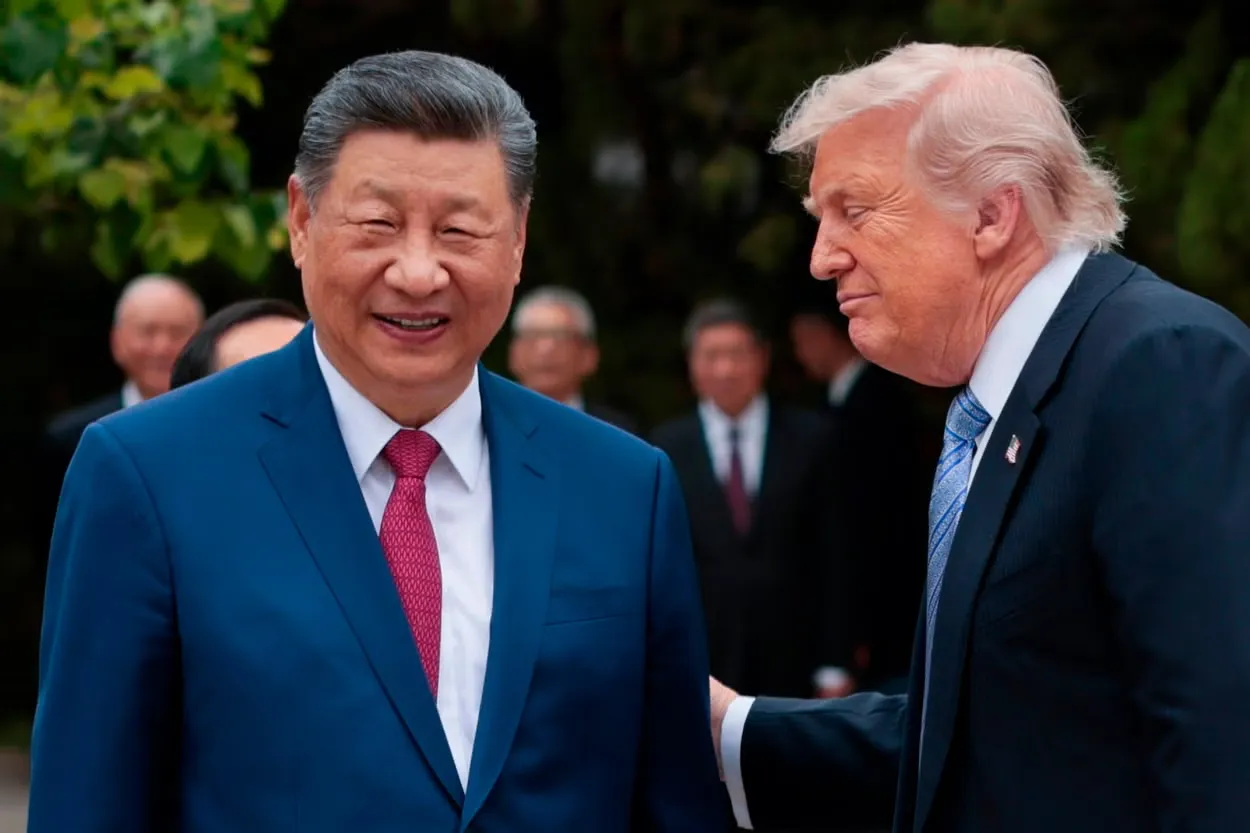
The U.S. and China have effectively engaged in a tit-for-tat expulsion of journalists, escalating tensions between the two countries. Washington revoked the visa of a Chinese journalist after Beijing expelled a correspondent for The New York Times. The conflict is unfolding against the backdrop of worsening relations between the world’s two largest economies, according to The Independent.


 

The diplomatic standoff between the U.S. and China has reached a new level after the two sides began taking reciprocal actions against journalists, effectively exchanging expulsions of media workers and further complicating the work of the international press in both countries.

The Trump administration revoked the visa of a Chinese citizen who worked in the U.S. for the state-run Xinhua News Agency in response to Beijing’s decision to expel New York Times reporter Vivian Wang. This was reported by The Independent, citing confirmation from sources in diplomatic circles and representatives of the U.S. State Department.

According to the publication, the U.S. side made the decision after China expelled Wang in February for her involvement in preparing an interview with Taiwanese President Lai Ching-te for the DealBook Summit 2025. During that conversation, Taiwan was referred to as a separate state, and Lai himself criticized Beijing’s actions in the region and emphasized the island’s readiness to defend itself. Beijing does not recognize Taiwan as an independent state, calls its leadership “separatist,” and does not rule out a military solution to the issue.

The U.S. decision was a rare example of a direct response from Washington to the expulsion of its journalists, as such conflicts typically do not elicit a symmetrical reaction. At the same time, The New York Times called on both sides not to restrict media operations and to reinstate the journalist’s accreditation in China, emphasizing that such actions only hinder the world’s access to information.

The publication’s executive editor, Joseph Kang, stated that restrictions on journalists’ work limit the international audience’s ability to receive independent information about China, the world’s second-largest economy.

Amid deteriorating relations, the U.S. designated several Chinese media outlets as “foreign missions” back in 2020, including the Xinhua News Agency, which Washington views as a tool of Beijing’s state information policy.

In response, China also increased pressure on American journalists by restricting visa issuance and reducing their numbers in the country. According to international journalism organizations, in just one year, at least several dozen Western media representatives were expelled from China, marking one of the most extensive restrictions in recent decades.

At a UN Security Council meeting, China sharply criticized U.S. foreign policy, particularly Washington’s actions regarding Iran and its approach to international organizations. Beijing accused the U.S. of taking unilateral steps and undermining the system of global cooperation. 

As a reminder, Taiwan deployed naval forces and fighter jets to monitor yet another Chinese “combat readiness patrol” near the island. 

Beijing officially criticized Germany after a group of German lawmakers visited Taiwan. China stated that such trips are politically sensitive and could affect bilateral relations between the countries.


Read us on Telegram and Sends

Завантажуй наш додаток