
The U.S. is not lifting its blockade of Iran despite the opening of the Strait of Hormuz
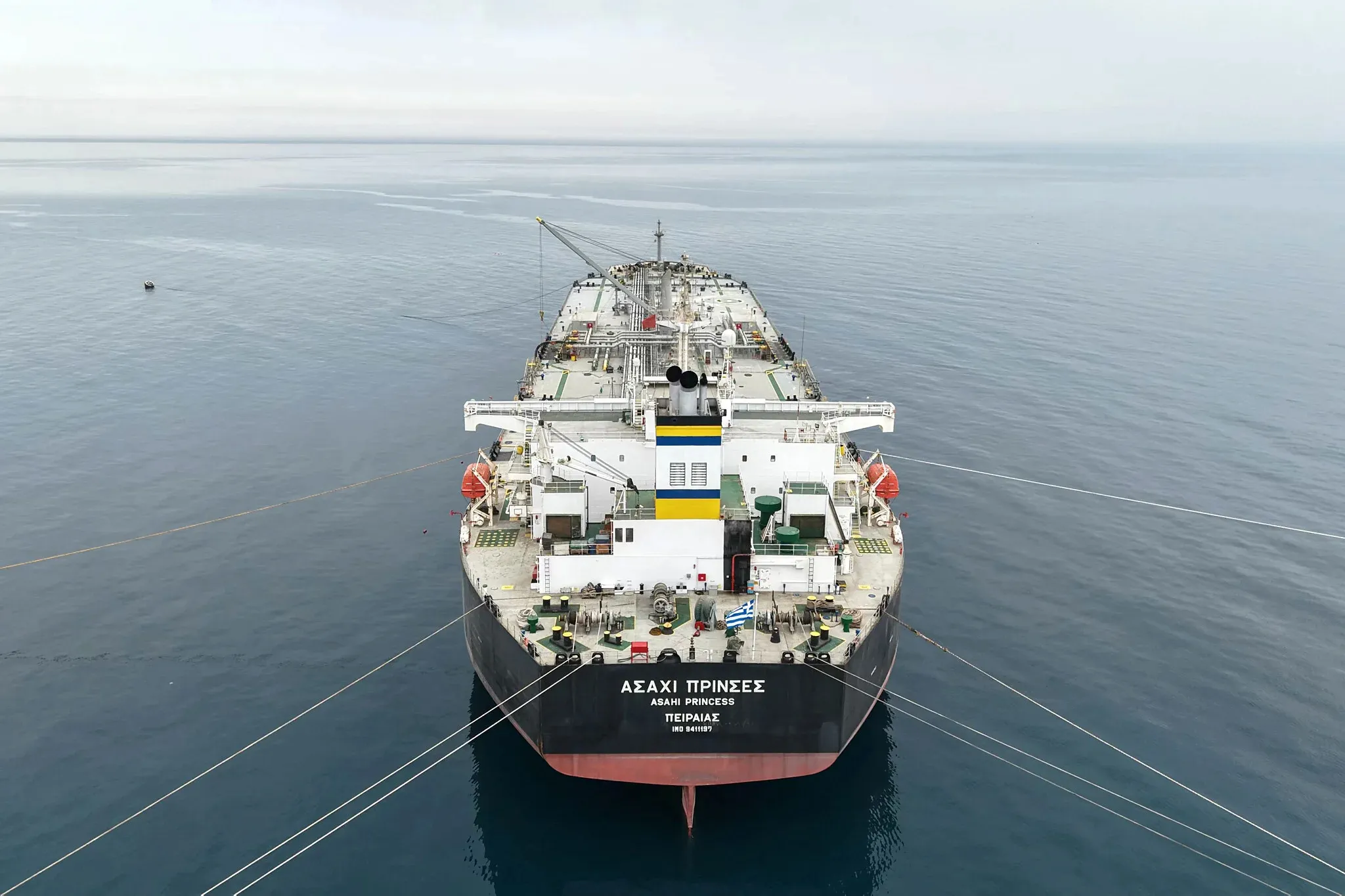
The U.S. has no plans to lift its naval blockade of Iran, even despite Tehran’s statements about opening the Strait of Hormuz. The restrictions will remain in place until the parties conclude negotiations and sign an agreement. Officials in Washington say a deal is close, according to The Times of Israel.
U.S. President Donald Trump stated that the American naval blockade of Iranian vessels remains in effect. This refers to restrictions on ships linked to Iran that pass through the Strait of Hormuz.
According to him, the strait itself is currently open to international shipping. But this does not mean that everyone can freely use the route. “The Strait of Hormuz is fully open and ready for business, but the naval blockade remains in full force against Iran,” Trump wrote.
He clarified that these restrictions will remain in effect until negotiations with Tehran are fully concluded. “The blockade will remain in place until our agreement with Iran is 100% complete,” the U.S. president added.
At the same time, Trump hinted that the process could be completed quickly. According to him, the parties have already agreed on most of the key issues. “This process should go very quickly, since most of the points have already been agreed upon,” he noted.
Against this backdrop, the situation appears contradictory. Iran claims to have opened the strait, but in reality, restrictions remain in place for Iranian vessels. The Strait of Hormuz is one of the world’s key routes for transporting oil and gas. Any restrictions there immediately impact global markets.
Therefore, even a partial blockade creates tension—both for the energy sector and for international trade. As a result, the U.S. continues to pressure Iran, trying to bring the negotiations to a conclusion. But until an agreement is reached, the restrictions remain in place.
Also, in Israel, military restrictions have been completely lifted for the first time in a month and a half. This became possible after the ceasefire with Lebanon and Iran has held so far. The country is gradually returning to normal life.
The U.S. is calling on G20 countries, as well as the IMF and the World Bank, to intervene urgently to avoid a fertilizer shortage. Due to the war in the Middle East, supplies have been disrupted precisely during the key planting season.
Global oil prices have also fallen by about 5% following news of a possible agreement between the U.S. and Iran. Investors reacted to Donald Trump’s statement that a deal is imminent and began pricing in a reduction in market tensions.
Airlines are warning that flight cancellations could begin in Europe as early as late May due to a shortage of jet fuel. The industry is asking governments to prepare a clear action plan in advance in case supplies need to be restricted.
Also, the Pakistani tanker Shalamar became the first vessel to pass through the Strait of Hormuz carrying crude oil since the U.S. blockade began on April 13.
Iran announced the opening of the Strait of Hormuz to commercial shipping for the duration of the ceasefire in Lebanon.
Iran estimates the damage from US and Israeli bombings at $270 billion and is demanding compensation from five Arab countries
Iran promises to respond to the blockade of its ports by blocking the Red Sea


