
For the first time in 40 years, the U.S. is developing a new nuclear warhead
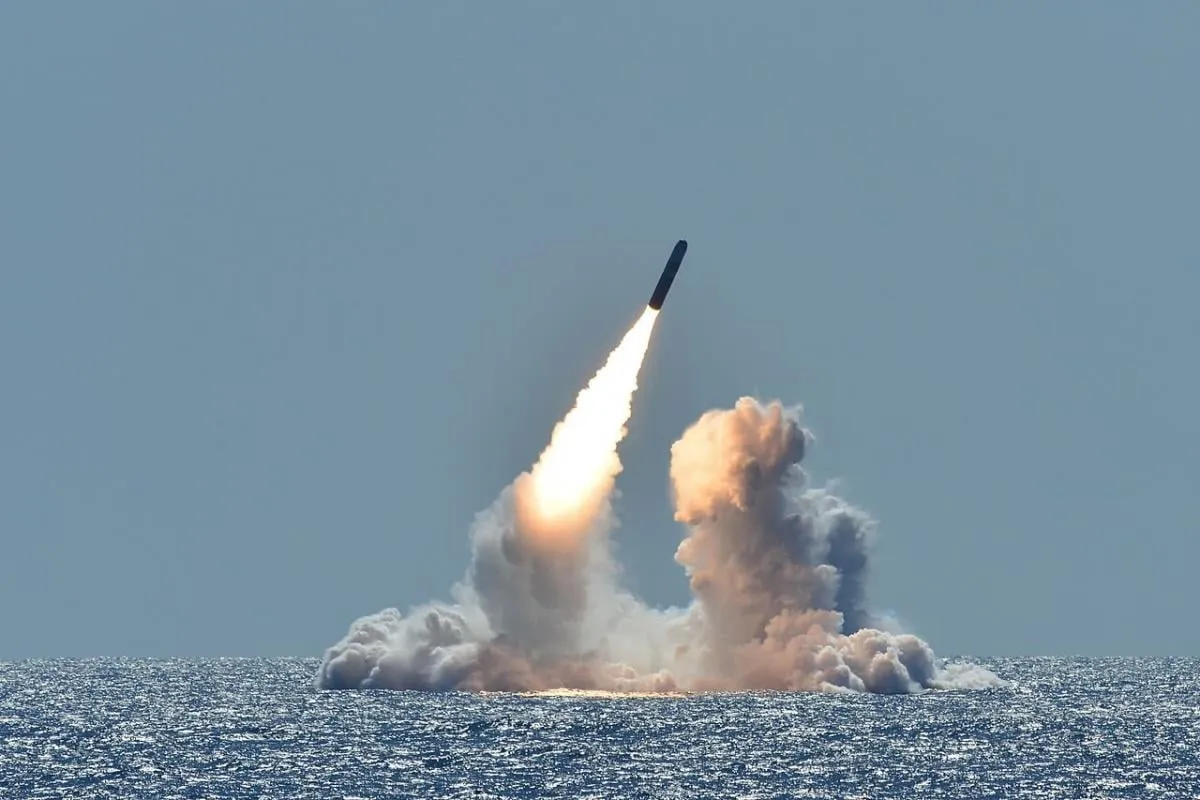
The United States has begun modernizing the naval component of its nuclear triad. As part of the program, the U.S. Navy is working to develop a new nuclear warhead—the first in 40 years.
In addition, the U.S. Navy is developing a new-generation ballistic missile to be launched from submarines. The new systems are expected to strengthen the capabilities of the U.S. Navy’s nuclear deterrent.
According to the PAE SSP strategic procurement planning program, the Trident II D5 Life Extension 2 (D5LE2) missile and the W93/Mk7 warhead are scheduled for modernization. Together, they can sustain the U.S.’s strategic deterrence capability.
The program is being implemented as the Navy prepares to transition from the aging Ohio-class ballistic missile submarines to the new Columbia-class submarines. The modernization plan was outlined by PAE SSP in an updated report on strategic deterrence programs dated June 25.
According to the publication, the Trident II D5 missile first entered service in 1990. It remains one of the most reliable submarine-launched ballistic missiles ever fielded. As part of a previous service life extension program, critical electronic components and guidance systems were modernized, allowing the D5 Life Extension (D5LE) missile to remain in service until the 2040s.
However, the Navy believes that further upgrades will no longer address the issue of component obsolescence. Therefore, the Navy is developing the D5LE2—a hybrid design that combines “proven propulsion system components with modernized avionics, guidance systems, and system architecture to ensure continued reliability in the face of evolving threats.”
In 2025, the program entered the engineering and production development phase, and the first fleet is scheduled to enter service in 2039.
Development of a Nuclear Warhead
In addition to the missile itself, the U.S. Navy, in collaboration with the National Nuclear Security Administration (NNSA), is developing the W93/Mk7—the first new U.S. nuclear warhead program launched in nearly four decades.
“The W93 warhead is expected to replace obsolete elements of the existing arsenal and provide a modern warhead compatible with future submarine-launched ballistic missiles,” the article states.
Modernization of the Nuclear Triad
Overall, the United States is undergoing a broader modernization of its nuclear triad, which consists of land-based intercontinental ballistic missiles, strategic bombers, and submarine-launched ballistic missiles.
Of these three components, ballistic missile submarines are considered the most survivable, as they remain hidden underwater for long periods of time, making them much more difficult to detect or destroy. As Columbia-class submarines replace Ohio-class submarines in the coming decades, the Navy is also investing heavily in supporting infrastructure.
U.S. Rearmament – More News
As a reminder, the U.S. government has signed a seven-year, $35 billion contract with Lockheed Martin for the production of Terminal High Altitude Area Defense (THAAD) interceptor missiles. This is one of the largest missile defense contracts in American history, and it is designed to quadruple the number of interceptor missiles capable of shooting down ballistic missiles.
It should be noted that the only ground-based component of U.S. strategic nuclear deterrence is the LGM-30G Minuteman III intercontinental ballistic missile. In the 1970s, the Minuteman III was developed for rapid response and long-range capabilities.
In May of this year, the U.S. launched a Minuteman III missile without a warhead from a base in Southern California. It was directed toward the Pacific Ocean as part of a pre-planned exercise. Engineers tracked the missile’s flight path to evaluate its propulsion system, guidance systems, and re-entry into the atmosphere.
This is reported by Interesting Engineering.
The U.S. downplayed the danger of the record-breaking heatwave in Europe.
The abnormal heat in Europe has led to at least 18 deaths.
France has faced power outages amid a record-breaking heat wave that has swept across much of Western Europe. Several regions have reported power outages, as well as the imposition of emergency restrictions and the temporary closure of educational institutions.




