
The U.S. announced that it had disrupted the operations of a network of companies that were helping Iran circumvent sanctions
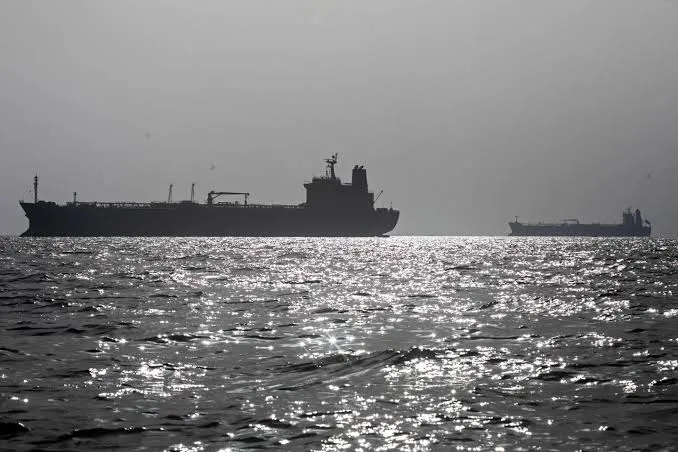
The U.S. announced the shutdown of a network of currency exchange offices and front companies through which, according to Washington, Iran had been circumventing international sanctions. U.S. authorities claim that these entities helped Tehran conduct financial transactions and gain access to revenue from oil sales.
The U.S. announced the new measures on August 7. The U.S. Department of the Treasury took action against a network of currency exchange offices and shell companies linked to Iran’s financial transactions. According to Washington, these entities were part of a system that allowed Tehran to circumvent sanctions and conduct transactions through the international financial system. To do so, they used companies capable of concealing the true origin of funds or the ultimate recipient of payments.
The U.S. State Department stated that through such networks, Iran gained access to proceeds from oil sales. According to the U.S. side, the funds passed through shell companies, which helped conceal their origin. “Through these networks, Tehran gained access to oil sales revenue and circumvented sanctions aimed at curbing its destabilizing activities by laundering funds through shell companies,” the State Department said.
How Front Companies Work
Front companies are used to conceal the true participants or the purpose of a financial transaction. In such schemes, money can pass through several legal entities and countries before reaching the final recipient.
For a country subject to strict sanctions, such mechanisms can be a way to maintain access to international payments. If banks and other financial institutions see a formally independent company in the documents rather than an Iranian government entity, it becomes more difficult to trace the actual party to the transaction.
It is precisely against such mechanisms that U.S. authorities regularly impose sanctions. The U.S. Department of the Treasury has repeatedly stated that a so-called shadow banking system exists in Iran, through which large financial transactions are conducted and funds from the sale of oil and other products are transferred.
According to the U.S. Treasury Department, Iran has used currency exchange bureaus, foreign companies, and overseas bank accounts to conceal the origin of funds and circumvent restrictions. Previous U.S. investigations have even pointed to networks through which billions of dollars have flowed.
Why Oil Revenue Is Important to Iran
Oil remains one of Iran’s main sources of revenue. That is why U.S. sanctions are largely aimed at making it more difficult to sell Iranian oil and to use the proceeds from those sales. However, sanctions work not only by prohibiting specific transactions. It is also crucial to block the channels through which money from oil sales can reach Iran or entities affiliated with it.
If these financial routes are blocked, it becomes more difficult for Tehran to make international payments, settle accounts with foreign partners, and use the proceeds from exports. In Washington, this money is linked not only to Iran’s economic activities. U.S. authorities claim that these financial networks can be used to support Iranian military structures, its missile program, and groups that the U.S. considers terrorist organizations.
Washington promises to ramp up pressure
The U.S. State Department stated that the new measures are intended to further isolate Iran from the international financial system. “Steps such as today’s further isolate the regime from the international financial system and ensure that Iran’s continued support for terrorism and regional aggression will have serious and lasting consequences for it,” the statement reads.
For Washington, combating sanctions evasion has become a separate avenue of pressure on Tehran. The U.S. Treasury Department regularly identifies new companies and financial entities that, according to its data, help Iran obtain funds through international channels.
In June 2026, the U.S. Treasury Department had already announced sanctions against dozens of participants in Iran’s shadow banking system. According to the department’s assessment, such networks allow Iranian military entities to receive payment for the illegal sale of oil, purchase necessary components, and transfer funds to their allies in the region.
Now Washington has announced a new strike against this infrastructure. U.S. authorities expect that blocking these money-transfer channels will reinforce the impact of existing sanctions and make it more expensive and difficult for Iran to access international finance.
At the same time, the U.S. announcement itself does not mean that Iran has completely lost the ability to conduct international financial transactions. This is an attempt by U.S. authorities to block specific channels that, according to their information, were used to circumvent sanctions. This was stated by the State Department’s press office on August 7.
The U.S. Senate approved a sweeping bill imposing new sanctions against Russia and Iran. The bill passed with 68 votes in favor and nine against, and will now be considered by the U.S. House of Representatives.


