
The U.S. struck a bridge that is part of a logistics route between China and Russia — Al Jazeera
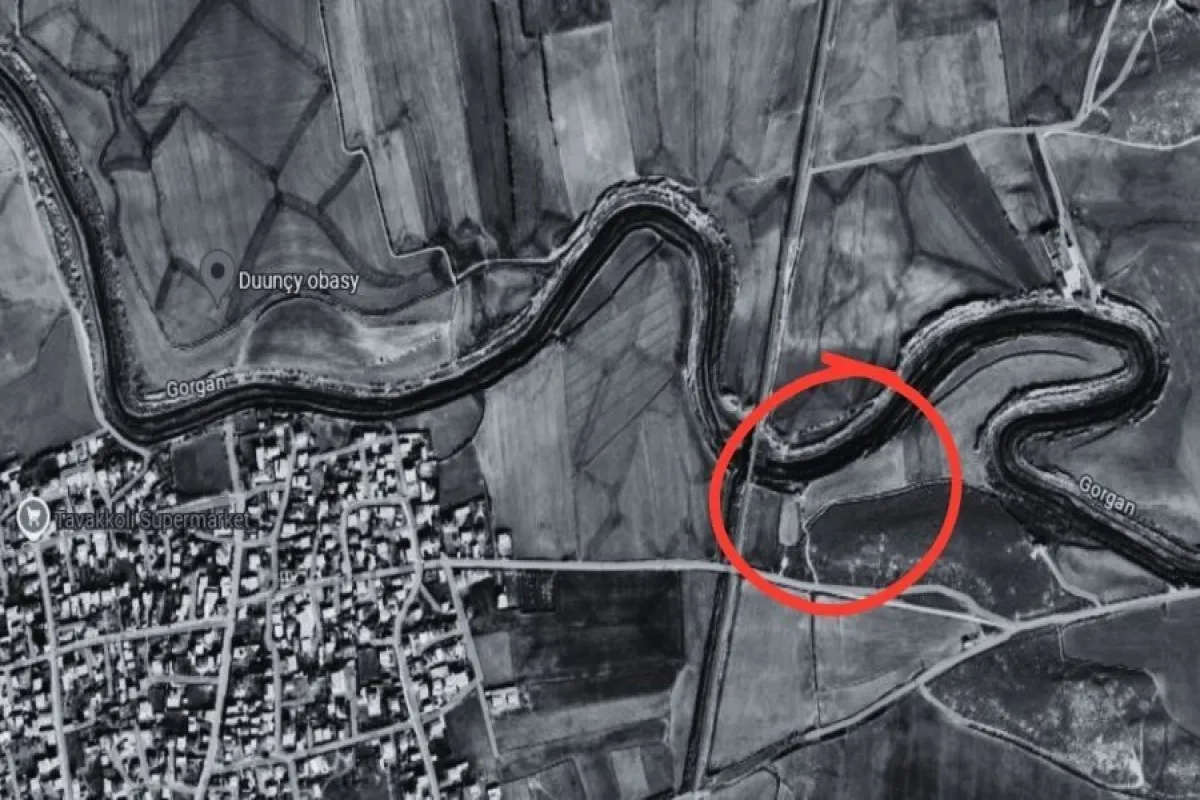
As of the evening of July 9, hostilities between the United States and Iran are ongoing. On the morning of July 9, the U.S. military struck a strategic railway bridge in the north of the country, which is part of an important international transportation route.
The bridge in question is the Ogtai Khan Bridge in Golestan Province. A railway corridor connecting Iran with Turkmenistan, China, and Russia runs across it.
The Iranian news agency Fars reported on the strike. According to its information, the U.S. military used a cruise missile. The attack took place on the morning of Thursday, July 9. The Ogtai Khan railway bridge, located in Golestan Province in northern Iran, was hit.
This bridge is considered one of the key elements of the country’s transportation infrastructure. An international rail route runs across it, connecting Iran with Turkmenistan and providing access to China and Russia. In fact, it is part of a strategic transport corridor used for international freight traffic.
Fars reports that the bridge is located at a major logistics hub and is of great importance to the country’s rail network. There has been no official confirmation of the strike from the U.S. so far. Nor have there been any reports on the extent of the damage, possible casualties, or how the attack affected operations on the railway line.

In recent days, the U.S. and Iran have continued to exchange strikes. The U.S. military states that it is targeting sites linked to Iran’s military infrastructure, while Tehran is responding with strikes on U.S. bases and targets in the region. Against this backdrop, the situation in the Middle East remains extremely tense, and the risk of further escalation of the conflict persists, according to Al Jazeera.
As of the evening of July 9, the situation surrounding the conflict between the U.S. and Iran remains extremely tense. According to military analyst Alex Alfirraz Shirs, the parties have reached their most dangerous point in recent times, and any new attack could derail even the slightest chance of de-escalation.
As of the evening of July 9, a drone attacked a camp of the Iranian Kurdish opposition in northeastern Iraq near the city of Erbil. According to preliminary reports, there were no casualties or injuries.
As of the evening of July 9, Iran continues to launch strikes against Gulf countries in response to recent U.S. attacks. There are reports of missiles and drones launched toward Jordan, Kuwait, Bahrain, and Qatar, though most of the aerial targets were intercepted.
As of the evening of July 9, oil tanker traffic through the Strait of Hormuz had nearly come to a standstill. This was due to new U.S. strikes against Iran, Tehran’s response, and a sharp increase in risks to shipping in the region.
On Thursday, July 9, Iran stated that it had fired ten ballistic missiles at a U.S. military base in Jordan. At the same time, Jordanian authorities reported that all missiles were intercepted and that there were no reports of damage or casualties.
Despite this new round of conflict in the Middle East, Iran maintains that it has not abandoned diplomacy and is attempting to restore relations with the Gulf states. Officials in Tehran claim that the U.S. and the West have mistakenly interpreted their willingness to negotiate as a sign of weakness.
Overnight, Iran exported at least 10 million barrels of crude oil and fuel oil. According to analysts, Tehran may have acted quickly out of concern that the U.S. would soon tighten its control over shipping in the region once again.




