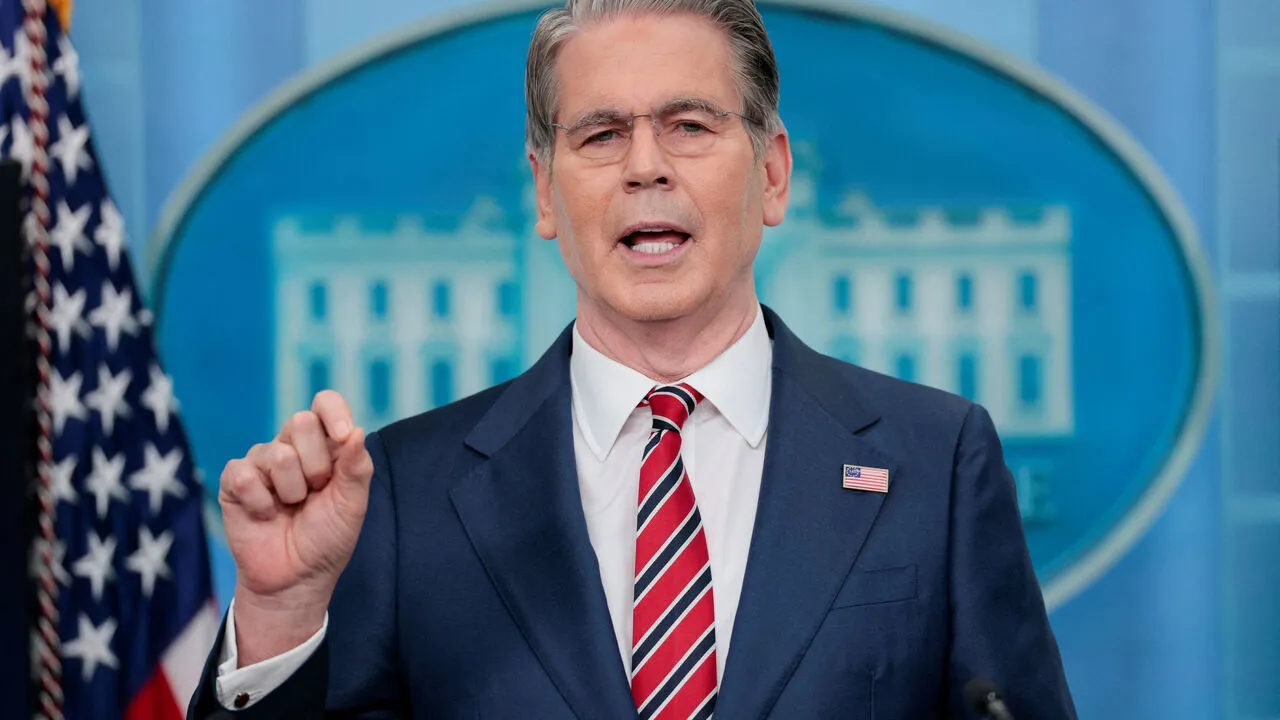
Washington is promoting a new initiative among G20 countries to stabilize fertilizer supplies and prevent a blow to global agriculture. This was reported by sources familiar with the negotiations. According to them, U.S. Treasury Secretary Scott Bessent considers the situation critical. He insists that fertilizer and agricultural supply chains are now a matter of basic security. “Fertilizers are the foundation of food security. This is something the G20 countries can address right now,” says one U.S. official.
The problem arose due to the war with Iran, which disrupted trade and logistics. This is particularly painful right now—at the start of the planting season, when farmers are most dependent on stable supplies. The International Monetary Fund warns that if the situation does not stabilize, another 45 million people worldwide could fall below the food security threshold.
Sub-Saharan African countries are already the first to feel the impact. Some of them are seeking assistance, and according to IMF projections, at least a dozen countries may request new loan programs in the near future.
The situation is further exacerbated by rising energy prices. Fertilizer production is directly dependent on energy, so price hikes automatically impact the entire market. Details of the U.S. plan have not yet been disclosed. But officials in Washington emphasize: action must be swift, flexible, and taken in coordination with partners.
At the same time, the UN is advancing its own initiative. It proposes creating a humanitarian corridor through the Strait of Hormuz to ensure stable supplies of fertilizers and other critically important goods.
Ultimately, what is at stake now is not only the economy but also access to food for millions of people. And the decisions made in the near future could determine whether this situation escalates into a full-blown global crisis.
Global oil prices also fell by about 5% following news of a possible agreement between the U.S. and Iran. Investors reacted to Donald Trump’s statement that a deal is close and began to factor the easing of market tensions into prices.
Airlines are warning that flight cancellations could begin in Europe as early as the end of May due to a shortage of jet fuel. The industry is asking governments to prepare a clear action plan in advance in case supplies need to be restricted.
Also, the Pakistani tanker Shalamar became the first vessel to pass through the Strait of Hormuz carrying crude oil since the U.S. blockade began on April 13.
Iran announced the opening of the Strait of Hormuz to commercial shipping for the duration of the ceasefire in Lebanon.
Iran estimates the damage from US and Israeli bombings at $270 billion and is demanding compensation from five Arab countries
Iran promises to respond to the blockade of its ports by blocking the Red Sea