
Stefanchuk and the Speaker of the Polish Sejm Discussed Their Complicated Past
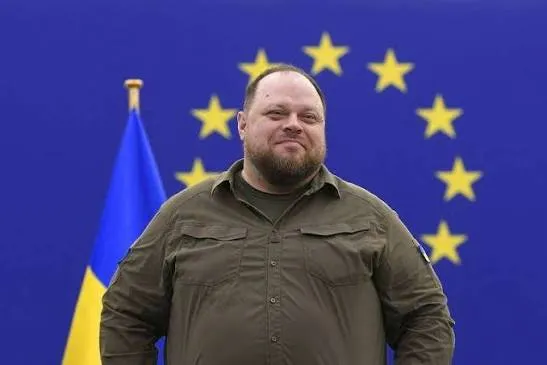
Ruslan Stefanchuk, Chairman of the Verkhovna Rada, met with Włodzimierz Czazasty, Speaker of the Polish Sejm, in Szczawnica, Poland. The politicians discussed relations between the two countries, complex issues of historical memory, and the need to rebuild trust. They also discussed strengthening parliamentary cooperation and support for Ukraine.
Stefanchuk and Czazasty met in the town of Szczawnica in Poland’s Lesser Poland Voivodeship. Children of Ukrainian military personnel are currently staying there. They traveled to Poland at the invitation of the Speaker of the Sejm.
Czazasty himself explained that it is precisely the meeting with the children that helps one see the complex political and historical issues between Ukraine and Poland in a different light. “There are political debates, there are complex historical issues, and there are disputes. But when you meet children whose childhood has been stolen by war, everything falls into place. Everything takes on the right perspective, and priorities are restored,” the Polish politician wrote.
They Discussed Ukraine-Poland Relations
According to Stefanchuk, his conversation with Czazasty was candid and important. One of the main topics was Ukrainian-Polish relations and how to prevent disputes over the past from affecting cooperation between the two countries today. Stefanchuk emphasized that Ukraine and Poland have a strategic partnership that has been forged over the years. In his view, historical issues and emotions should not weaken this relationship.
“We agreed that today it is particularly important to prevent complex issues from the past or emotions from weakening the strategic partnership that Ukraine and Poland have built over the years,” the Speaker of the Verkhovna Rada noted. The politicians also discussed the need to restore trust between the two countries. They also discussed strengthening ties between the parliaments and expanding cooperation.
They aim to intensify parliamentary dialogue
During the meeting, Stefanchuk and Chazhasty agreed to work more actively within parliamentary frameworks. This involves regular contacts and the exchange of experience between Ukraine and Poland. Among other things, the parties decided to revisit the idea of creating a joint Ukrainian-Polish expert group. It could address various issues of bilateral relations and help Ukraine draw on Poland’s experience on its path to the European Union.
“We agreed to intensify cooperation within parliamentary frameworks and revisit the idea of establishing a joint Ukrainian-Polish expert group, specifically to exchange Poland’s experience regarding European integration,” Stefanchuk said. Poland’s experience is particularly important for Ukraine, as Poland has already gone through the process of EU accession and can share practical insights with Ukraine.
Historical issues were also on the agenda
Another topic of the meeting was historical memory. Ukraine and Poland share many common chapters of history, but some of them remain painful and still spark controversy in the societies of both countries. The parties discussed these sensitive issues and the need to continue the dialogue. The focus is on finding ways to address complex chapters of the past without allowing them to cause a new escalation of tensions between the two countries.
At the end of the meeting, Stefanchuk presented his Polish counterpart with a Ukrainian edition of “The Enchanted Carriage,” a collection of works by the Polish poet Konstanty Ildefons Halczyński. The book was translated by the Ukrainian poet Roman Lyubkivsky.
Stefanchuk called this gift a symbolic reminder of the close ties between the two cultures. “This is yet another reminder of how closely intertwined Ukrainian and Polish cultures are and how much we have in common,” he noted. Thus, during the meeting, the parties sought to focus not only on contentious issues of the past but also on what can unite Ukraine and Poland today. Among the main areas of focus were support for Ukraine, parliamentary cooperation, European integration, and the restoration of trust between the two countries. They announced this on social media.
On Sunday, August 9, demonstrations took place in 22 Polish cities against the rise in violence against Ukrainians and others who face persecution because of their origins.


