
A Moscow court sentenced a woman to three years in prison for smoking a hookah while eating Easter cake
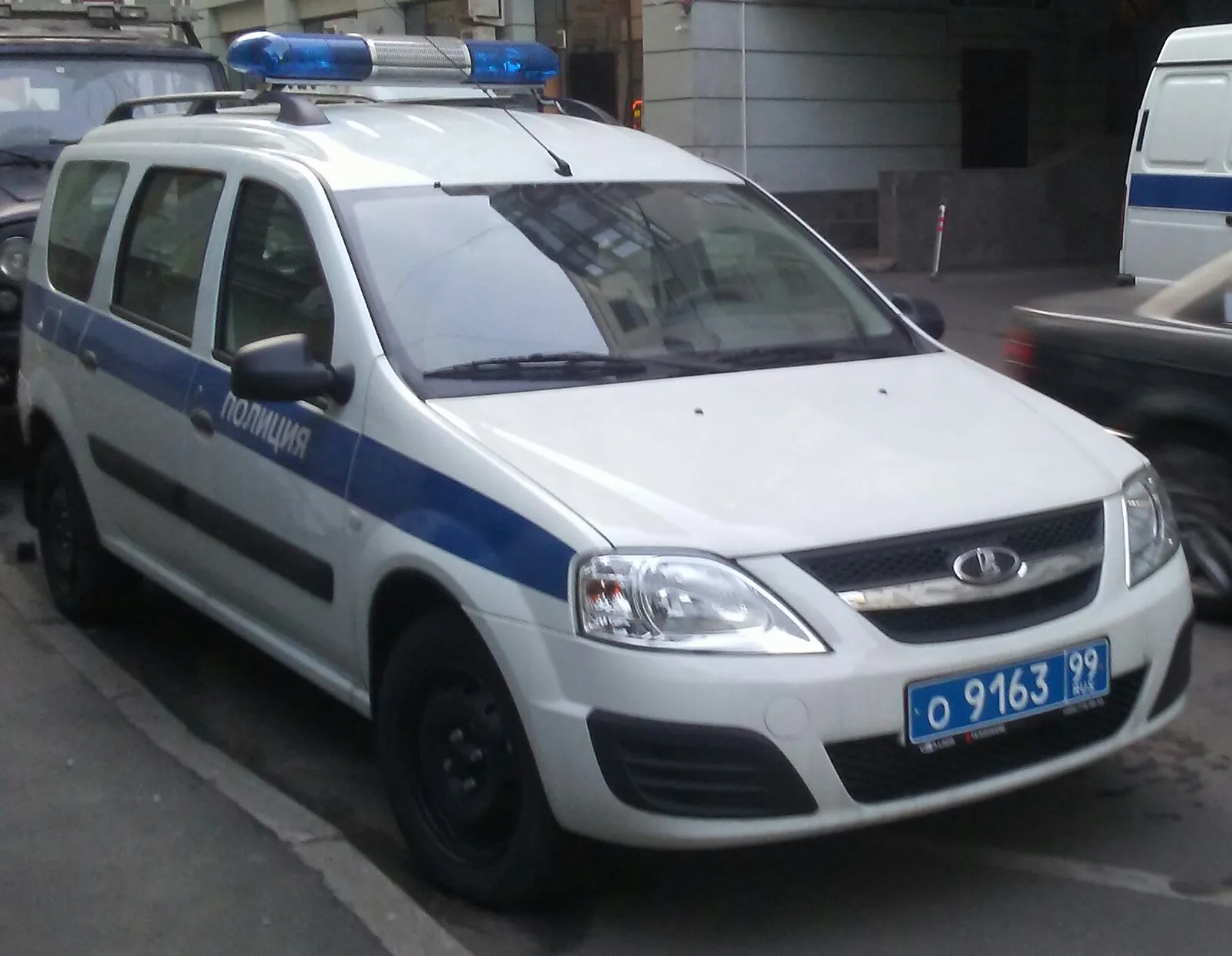
A court in the capital of the aggressor state, Russia, sentenced local resident Ksenia Belousova to three years and 25 days in a general-regime penal colony on charges of “offending the feelings of believers.”
The reason for the criminal case was the publication on social media of a photo of a hookah whose bowl was shaped like a traditional Easter cake.
During the trial, the prosecution demanded the maximum possible punishment for the defendant for this act.
The prosecution asked the court to revoke Ksenia Belousova’s suspended sentence under a drug-related charge, which she received last year (three years’ probation), and to impose an actual prison term, the publication notes.
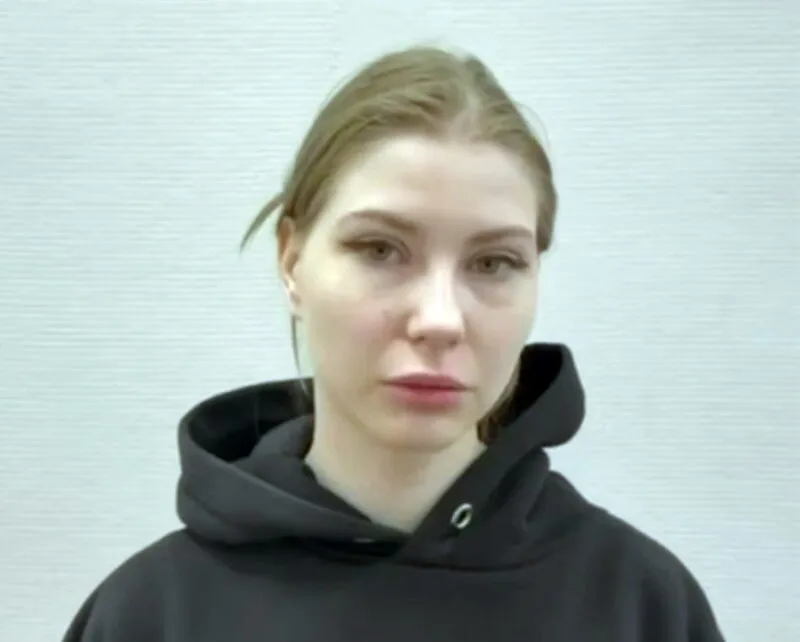
The defense, however, insisted on a more lenient sentence and asked the court to limit the punishment to a fine.
For the new charge, the judge sentenced the woman to 200 hours of community service, but due to the partial accumulation of sentences, the final sentence amounted to more than three years of actual imprisonment.

During the hearing, Ksenia Belousova fully admitted her guilt in the alleged crime and publicly expressed remorse.
At the same time, the defense provided the court with character references from the young woman’s place of employment, her master’s degree, information about donations to orphaned children, a letter of appreciation from her previous employer, a certificate of public speaking skills, and a copy of her baptismal certificate.
However, the judge ignored all the mitigating circumstances, diplomas, and charitable activities of the defendant, siding with the repressive state apparatus.
In Russia, five Crimean Tatars from the Dzhankoy district were sentenced to 14–20 years in prison
As a reminder, Crimean Tatar Eskender Kudusov was released from captivity.
We reported that another prisoner exchange took place between Ukraine and Russia under the “157 for 157” formula.
Ukraine carried out a new prisoner exchange, in which 157 Ukrainians—both military personnel and civilians—returned home. Among those released were soldiers from the Armed Forces of Ukraine, the National Guard, and the State Border Guard Service.


