
Pakistan court orders state resources not be used for PTI march
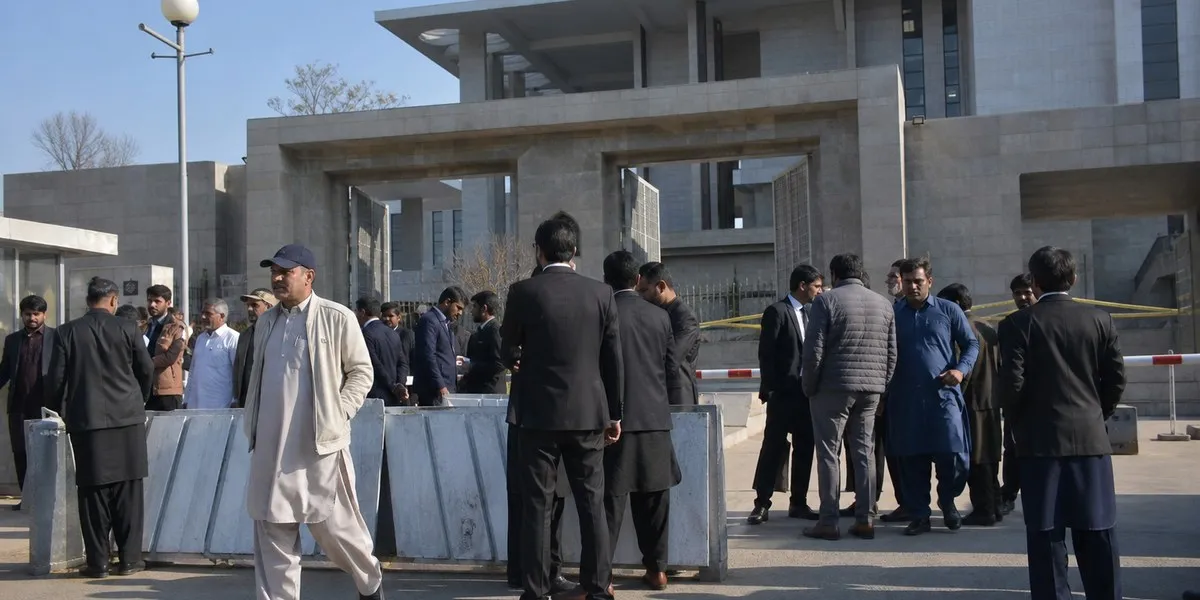
The Islamabad High Court in Pakistan instructed the chief ministers of all provinces to ensure that state resources and official machinery are not used for PTI’s planned September 27 march and protest in the capital. The court concluded hearings on a petition by citizen Waqas Ahmed, who argued that the action could disrupt daily life, traffic and business operations in Islamabad, Dawn reports.
PTI announced a nationwide protest, including in Islamabad. The party demands the release of its founder Imran Khan and says it is mobilizing people in support of the supremacy of the Constitution.
Access to hospitals and educational institutions
In a brief ruling, the panel of judges stated that political parties and their leadership have no legal right to occupy public roads, highways, interchanges, toll plazas and buildings in Islamabad if this obstructs access to educational or medical institutions.
Khyber Pakhtunkhwa Police Chief Zulfiqar Hameed assured the court that no unlawful or unconstitutional actions would be allowed in connection with the protest. The court recorded his sworn statement: police would prevent unlawful actions, and participants in the gathering would be dispersed in the event of illegal conduct.
More current news is available on the UA.News Telegram channel Telegram.
Positions of the parties
Islamabad Advocate General Naveed Hayat Malik showed the court videos of PTI protests in 2022 and 2024 and said these actions could not be considered peaceful. He claimed that state resources were used during the 2022 protest and also reported arson attacks on property and other incidents. These were claims made by the government representative during the hearing.
According to Malik, an application with full details must be submitted to hold a protest in the capital so that the administration can organize security measures. He noted that the district magistrate may approve or reject such an application, and authorities may impose restrictions if necessary, including under Article 144 of the Code of Criminal Procedure.
After the hearing, Khyber Pakhtunkhwa Advocate General Shah Faisal Utmankhel told Dawn that he would not undertake the commitment given by the provincial police chief.


