
July 1 Holiday: Early Bird Day Is Celebrated Around the World
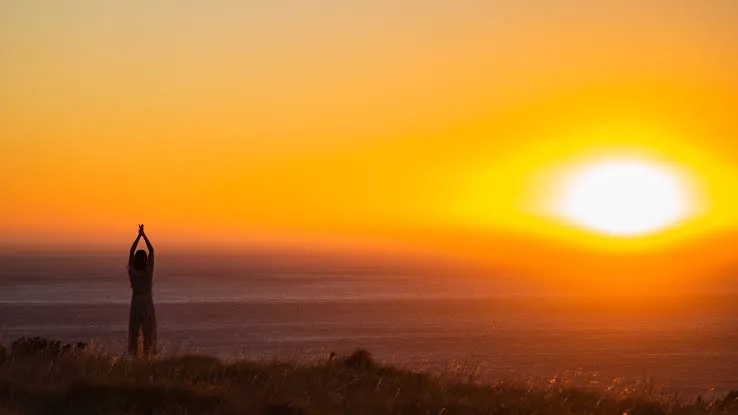
July 1 is celebrated around the world as Early Bird Day. This is an unofficial holiday dedicated to everyone who likes to start their day early in the morning or wants to try changing their habits. It serves as a reminder that a few extra hours in the morning can give you more time for yourself, work, exercise, or relaxation.
Every year on July 1, many countries around the world celebrate Early Bird Day. This unusual, unofficial holiday is dedicated to a simple yet popular idea—starting the day as early as possible. It doesn’t have official status, but every year more and more people are taking notice of it, as the topics of a healthy lifestyle and a proper daily routine are becoming increasingly popular.

The main idea behind the holiday is simple: the morning hours are often the calmest and most productive. That is why Early Bird Day encourages people to wake up earlier than usual at least once and use that time wisely.
The name of the holiday comes from the well-known English proverb “The early bird catches the worm.” Its meaning is well known in many countries around the world: those who act first have a better chance of success. This saying was first mentioned as early as the beginning of the 17th century and later became one of the most famous English proverbs.

The exact history of how Early Bird Day came to be is unknown. Unlike many international holidays, it was not established by the UN or other major organizations. It is believed that the holiday originated as a popular grassroots initiative designed to encourage people to recognize the benefits of waking up early and maintaining a healthy daily routine. Over time, this date began to be supported by advocates of a healthy lifestyle, sports clubs, psychologists, time-management experts, and bloggers. Today, Early Bird Day is regularly mentioned on social media, in the news, and in themed calendars of unusual holidays.

Why the morning, specifically? Many studies show that after a full night’s rest, the brain functions more actively, and it’s easier for people to concentrate on important tasks. It is during the first few hours after waking up that many people learn best, engage in creative activities, exercise, or plan their day.

However, doctors emphasize that the key is not just waking up early, but also getting enough sleep. If a person regularly doesn’t get enough sleep, waking up early can actually have a negative impact on their health. That’s why Early Bird Day doesn’t call on everyone, without exception, to become “early birds,” but simply suggests trying to be more mindful of your daily routine.

Interestingly, morning traditions vary greatly from country to country. In Japan, morning walks in parks and group exercise sessions are popular. In Northern European countries, many people start their day with a jog or a bike ride to work. In Australia and New Zealand, people often greet the sunrise by the ocean, while in the U.S., so-called “5 a.m. clubs” are becoming increasingly popular, with members waking up very early for exercise or self-improvement.

On July 1, in particular, fans of the holiday try to change their usual routine, even if just a little. Many set their alarms earlier to catch the sunrise, prepare a leisurely breakfast, or simply enjoy a cup of coffee in silence while the city is still waking up. Another popular tradition is morning physical activity. This could be a jog, a walk, a bike ride, yoga, or even a simple set of exercises near home. It’s believed that this habit helps recharge your energy and improves your mood for the whole day.

Many people use this time to take care of personal matters they usually don’t have time for. Some read a book, others work on their own projects, take photos of the sunrise, or meditate. Many people consider the early morning hours to be the best time for quiet work without unnecessary distractions. In some countries, cafes and coffee shops even hold special morning promotions for their guests. And on social media, people share photos of sunrises, morning coffee, or walks using the hashtag #EarlyBirdDay.

There are also some interesting facts about the morning lifestyle. For example, many famous entrepreneurs, writers, and athletes have said that they’re used to waking up very early. At the same time, modern scientists remind us that there’s no one-size-fits-all schedule. Every person has their own biological rhythm, so it’s important to find a balance between productivity and proper rest.

Psychologists also note that even a single peaceful hour in the morning—free from phones, rushing, and noise—can have a positive effect on a person’s emotional state. That’s why many people use this time to plan their day, write in their journal, or simply enjoy a few minutes of silence.

Early Bird Day isn’t about forcing everyone to wake up at 5 a.m. Its main idea is to remind us that a well-organized start to the day often helps us feel calmer, get more done, and find time for what really matters. And even if waking up early doesn’t become a daily habit, July 1 can be a great opportunity to greet the sunrise, see the city in a whole new light, and give yourself a few extra hours to enjoy life.


