
Holiday on October 10, 2026 — International African Penguin Day

Saturday, October 10, 2026, marks International African Penguin Day. Its goal is to draw attention to these birds, which are rapidly disappearing from the wild due to food shortages, ocean pollution, and other threats. According to conservationists’ estimates, the African penguin population has declined by approximately 97% over the past century, so this day is dedicated not only to learning about these unusual birds but also to finding ways to save them.
International African Penguin Awareness Day falls on the second Saturday of October each year. In 2026, it will be on October 10. Unlike some other environmental observances, this day is dedicated to a specific species—the African penguin, which inhabits southern Africa and is in urgent need of protection.

The main goal of the event is to explain to people why the population of these birds is declining and how human activity affects their survival. Conservation organizations use this opportunity to raise awareness about the state of the population, raise funds to save the birds, and engage more people in environmental initiatives. The day also serves as a reminder that the extinction of a single species can affect the natural balance of an entire region.
In 2026, the campaign is being held under the slogan #NotOnOurWatch. It calls on people not to stand by indifferently as populations decline, but to support concrete measures for their conservation. Conservationists, zoos, and organizations dedicated to saving seabirds are raising awareness about this issue.
How This Holiday Came to Be
International African Penguin Day was first celebrated in 2010. The initiative originated in South Africa, where conservationists sought to draw public attention to the rapid decline in the species’ population. The first event was held on October 2, 2010, and the date was later set for the second Saturday in October.

The South African Foundation for the Conservation of Coastal Birds (SANCCOB) plays a key role in organizing these events. The organization rescues sick, injured, and oil-soiled birds, helps abandoned chicks, and returns rehabilitated animals to their natural habitat. For many years, the foundation hosted a penguin festival in the town of Simon’s Town near Cape Town. Thousands of people attended these events to learn more about the birds and support their rescue efforts.

One of the most important traditions has been the public release of penguins that were returned to the wild after treatment. For visitors, this is a chance to see the birds return to the sea, and for experts, it’s an opportunity to explain how much work goes into saving each animal. Over time, zoos and conservation organizations in other countries joined the celebration. Thus, a local initiative has turned into an international awareness campaign.
Where Do African Penguins Live?
The African penguin is the only penguin species that breeds naturally on the African continent. Its range covers the coasts of South Africa and Namibia, as well as islands near the mainland. The birds choose coastal areas for nesting, where they can build nests and raise their chicks, while they forage for fish and other food in the ocean. These penguins do not live among the Antarctic ice, as people often imagine. They are adapted to the temperate and warm climate of the South African coast, although they depend on the cool ocean waters where they find food. On hot days, the birds may seek shade or wade into the water to avoid overheating.
African penguins have black-and-white plumage, short legs, and a distinctive pink patch of skin above their eyes. This feature helps them regulate their body temperature: when the birds get hot, more blood flows to this area, and it becomes brighter in color. Their call resembles a donkey’s bray, which is why they were once called “donkey penguins.”
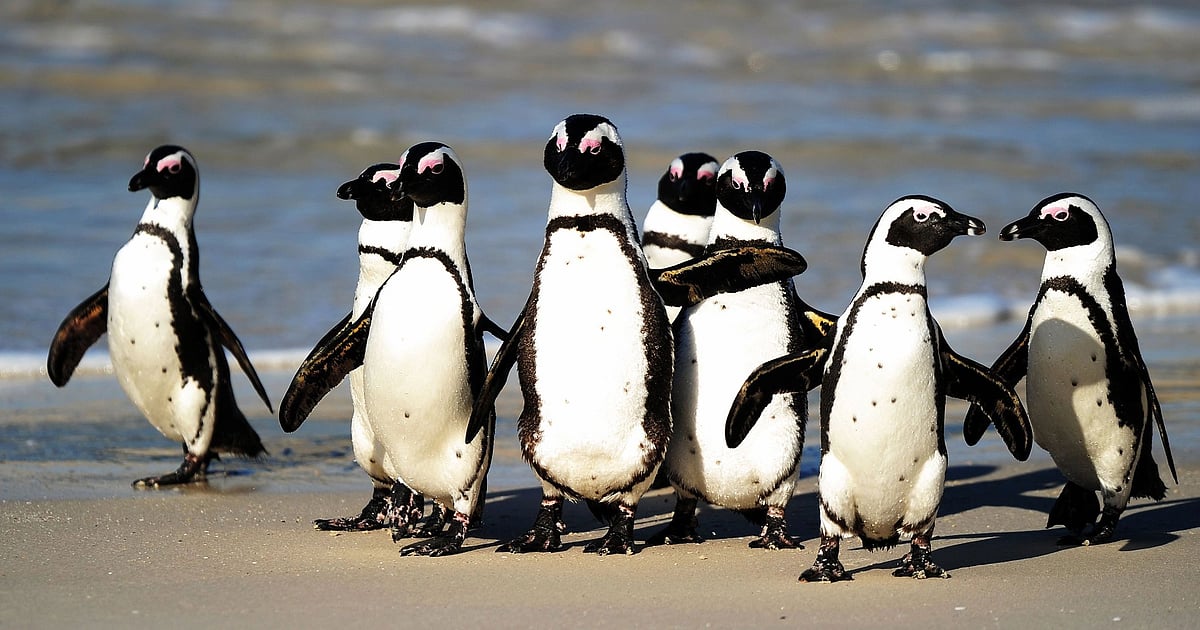
In the wild, these birds live in colonies. They return to their nesting sites, find mates, and raise their chicks together. Preserving these colonies is crucial: if penguins lose their nesting grounds or cannot find enough food nearby, it becomes much harder to successfully raise the next generation.
Why African Penguins Are Threatened with Extinction
The main problem facing African penguins is a sharp decline in their numbers. Conservationists estimate that over the past century, their population has decreased by approximately 97%. In 2024, the International Union for Conservation of Nature (IUCN) upgraded the species’ status to “on the verge of extinction”—one of the most alarming threat levels for animals still existing in the wild. If the trend continues, African penguins could disappear from the wild as early as 2035. This is a projection, not an inevitable outcome, but it highlights the urgent need for conservation measures.

One of the main causes is a lack of food. African penguins feed primarily on small fish, particularly sardines and anchovies. However, the populations of these fish are fluctuating due to climate change and overfishing. When fish become scarcer near the colonies, adult birds have to travel greater distances in search of food. They expend more energy, and chicks may not receive enough food, which reduces their chances of survival.

Another threat is marine oil pollution. After an oil spill, oil coats the birds’ feathers, causing them to lose their ability to retain heat and protect themselves from water. Penguins may try to clean their feathers with their beaks and accidentally swallow toxic substances. In such cases, the birds need professional help: they are cleaned, treated, and gradually returned to their natural habitat.
The destruction of nesting sites also poses a problem. Coastal development, human activity, and changes in natural conditions are limiting the areas where penguins can safely breed. Historically, the collection of guano—bird droppings used as fertilizer—caused additional harm. This led to the depletion of natural materials that penguins used to build their nests. Thus, the population decline is not due to a single cause. The birds are simultaneously affected by food shortages, industrial fishing, pollution, climate change, and the loss of nesting sites. To save the species, efforts must be made on several fronts at once.
How International African Penguin Day Is Celebrated
In South Africa, events dedicated to the protection of penguins and the marine environment are organized on this day. Conservation organizations hold informational meetings, guided tours, educational sessions, and fundraisers to cover the cost of treating the birds. At zoos, visitors learn about the lives of African penguins, their habits, and the dangers they face in the wild.

For children, there may be arts and crafts activities, games, quizzes, and meet-and-greets with the animal care staff. During these events, they explain why littering on beaches is prohibited, how plastic waste ends up in the ocean, and why it’s important to manage fish stocks responsibly. Some zoos hold feeding demonstrations and share stories about penguins under the care of specialists. Stories about birds rescued after injuries, illnesses, or oil spills attract particular attention. When the animals’ condition allows, they are released back into the wild. Such events often become the most emotional part of the celebration, as they show that human help can give the birds a chance to return to life in the ocean.
You can also participate in the day online. People post photos and information about African penguins, share materials from conservation organizations, and support campaigns to protect them. It’s important that this attention isn’t limited to just one day: experts emphasize that restoring the population requires long-term conservation programs and public support.
How Everyone Can Help the Penguins
You can support African penguins even from a great distance from their natural habitat. One way is to support organizations that rescue seabirds, treat injured animals, and work to conserve their habitats. Donations are used, in particular, for veterinary care, specialized equipment, food, and the care of birds during rehabilitation.

It’s equally important to choose seafood responsibly. Commercial fishing for sardines and anchovies can affect the availability of food for penguins, so it’s worth paying attention to recommendations from conservation organizations regarding sustainable fishing. At the same time, you shouldn’t simply avoid a certain type of fish without understanding the situation: the impact of fishing depends on the specific region, fish stocks, and the method used to catch them.

Everyday habits also matter. Plastic bags, packaging, and other trash can end up in bodies of water, threatening marine animals or destroying their habitat. Sorting waste, avoiding unnecessary single-use plastics, and participating in beach cleanups help reduce pollution. If you visit a zoo or a natural penguin colony, it’s important to follow the rules and not disturb the birds. Do not try to touch them, feed them yourself, or approach their nests just to take a photo. Wild animals need space and peace, especially during the breeding season.

Finally, you can share verified information about the species’ status. The more people know about the threats, the easier it is to rally support for conservation programs and demand effective solutions. Helping doesn’t always mean directly rescuing an animal—sometimes it starts with making responsible choices and paying attention to the problem.
Interesting Facts About African Penguins
They do not live among the ice, but off the African coast. African penguins are adapted to life on the coasts of South Africa and Namibia. They need access to the sea, where they forage for food, and safe places on land to rest and nest.
Their call sounds like a donkey’s bray. It is precisely because of these distinctive sounds that African penguins were once called “donkey penguins.” This call helps the birds communicate in colonies where many individuals gather at once.
The pink patches above their eyes help them cool down. When their body temperature rises, more blood flows to these patches. This allows the penguins to release excess heat, which is especially important in the warm climate of southern Africa.
Chicks initially have a different coloration. Young African penguins are covered in grayish-blue down, and their characteristic black-and-white plumage develops later. Gradually, they molt and take on their adult appearance. This is why chicks in colonies can look noticeably different from older birds.
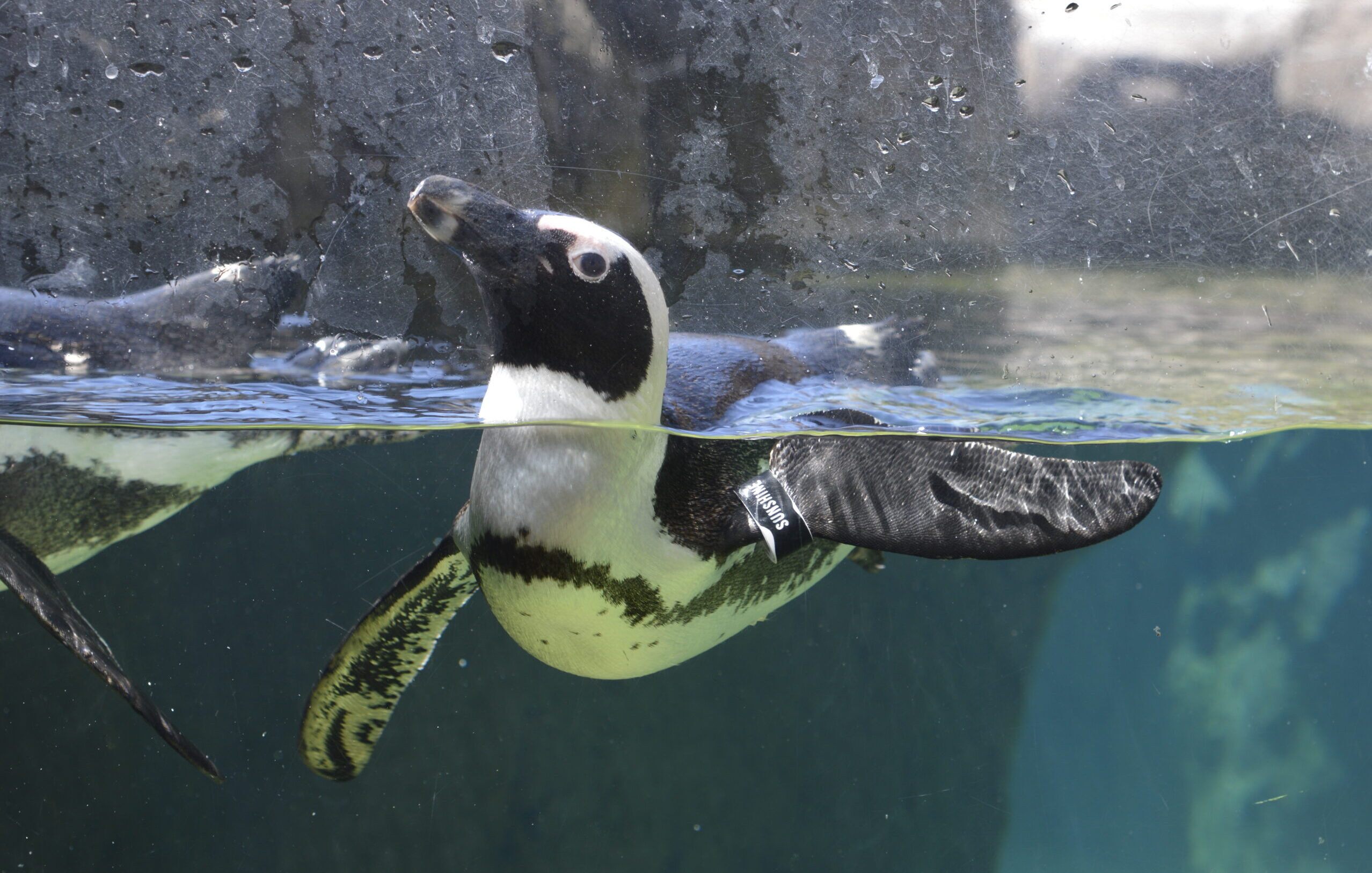
Penguins are skilled swimmers. Their wings are adapted not for flight in the air, but for movement underwater. At sea, they chase fish, maneuver, and dive in search of food.
They need not only protection on land but also a safe ocean. Even if a nesting site remains undisturbed, the colony will not be able to recover properly if there is a shortage of fish nearby. Therefore, the conservation of African penguins also involves protecting key foraging areas.
Why This Day Is Important
International African Penguin Day serves as a reminder of a species that could disappear from the wild within the next few decades if current trends continue. Its history shows just how closely animal life depends on the state of the ocean, food availability, and human attitudes toward the environment.
At the same time, the situation is not hopeless. Scientists, conservationists, and government agencies are working to preserve nesting sites, reduce competition for fish stocks, and help birds affected by pollution or injury. In March 2025, conservation organizations in South Africa announced a court-ordered agreement to limit commercial fishing for sardines and anchovies in important foraging areas near six key penguin colonies. These measures are intended to ensure that the birds have better access to food.
This day is important not only for South Africa. It serves as a reminder that biodiversity conservation depends on many decisions—from government policy to people’s daily habits. African penguins cannot cope on their own with all the threats created by human activity. But supporting conservation programs, using resources responsibly, and sharing accurate information can help preserve these extraordinary birds for future generations.




