
Holiday on September 13, 2026 — Positive Thinking Day: How to Get in the Right Mindset

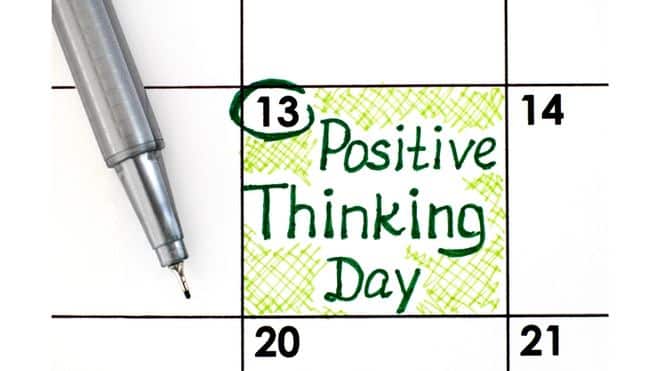
September 13 marks Positive Thinking Day—an unofficial holiday that serves as a reminder of the importance of optimism, hope, and the ability to find solutions even in difficult situations. In 2026, this day falls on a Sunday. Its main idea is not to force yourself to be happy all the time, but to learn not to get stuck in negative thoughts and to view problems more constructively.
Positive Thinking Day falls on September 13 every year. In 2026, it will be celebrated on a Sunday. The date has unofficial status and is not one of the UN’s official international days. At the same time, it is used as an opportunity to discuss a person’s psychological state, self-perception, and the habit of noticing not only problems but also opportunities.

This day is particularly easy to understand through the lens of everyday life. When things are going well, it’s easy to be an optimist: good news, success at work, or meeting a loved one naturally put you in a good mood. It’s much harder to stay hopeful when things don’t go as planned, plans fall apart, or you have to wait a long time for things to change. That’s why positive thinking shouldn’t be confused with constant cheerfulness. A person can feel sad, angry, afraid, or tired and still remain optimistic. A positive attitude means the ability to acknowledge a problem without letting it convince you that there’s no way out.
How Positive Thinking Day Came to Be
The history of this date is not tied to an ancient tradition or a major historical event. Positive Thinking Day emerged in the 21st century, when topics such as psychological well-being, personal development, and optimism began to be actively discussed in society. According to a widely accepted account, the date was first observed in the United States in 2003. The American psychologist and entrepreneur Kirsten Garrell is credited as the initiator; she often spoke about the impact of a person’s attitude on their life.
Harrell linked her interest in positive thinking to her own experience of coping with chronic pain. She drew attention to the connection between one’s psychological state, attitude toward a problem, and overall well-being. In 2003, the idea of a special day dedicated to positive thinking began to spread as a way to remind people of the power of their own mindset and daily thoughts.

At the same time, it’s important to be precise: different sources describe the holiday’s origins in different ways. Some websites simply state that it was launched in 2003 by American activists or entrepreneurs, without naming a specific person. Therefore, it is safest to say that Positive Thinking Day originated in the United States in the early 2000s, and that Kirsten Garrell is one of its most frequently mentioned initiators.
What Positive Thinking Really Means
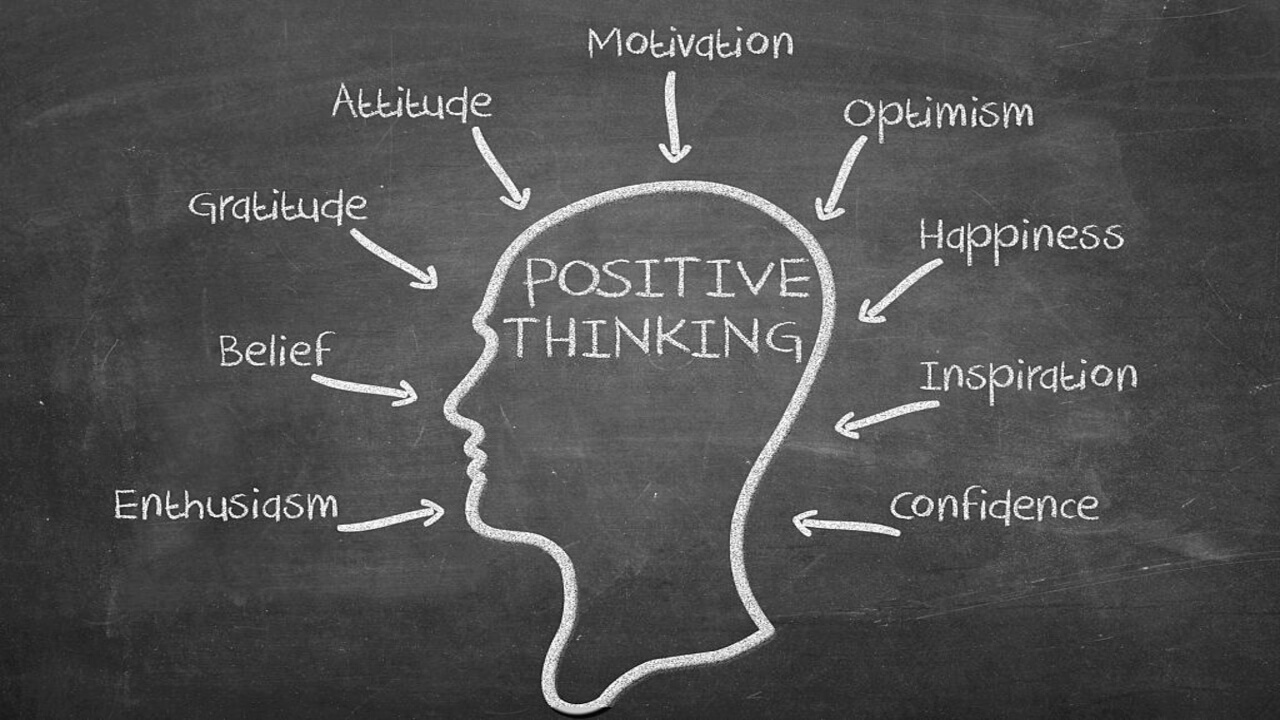
Positive thinking isn’t about forcing yourself to see the world through rose-colored glasses. You shouldn’t convince yourself that everything is fine when, in reality, something difficult is happening. On the contrary, healthy optimism involves acknowledging the problem but trying to find a way to deal with it. For example, after a failed job interview, you might say to yourself, “I’m good for nothing.” This is an example of negative thinking, which quickly turns a single failure into a judgment of your entire self. Another option is to think: “I didn’t get the job this time, but now I know which questions I need to prepare for better.” The situation itself hasn’t changed, but your reaction to it has.

Positive thinking is also linked to your inner dialogue. People are constantly talking to themselves, even if they don’t realize it. “I’ll never succeed,” “I always mess things up,” “It’s easy for others, but I’m not capable”—thoughts like these can gradually affect one’s mood and behavior. If a person learns to notice these automatic reactions and challenge them, it becomes easier not to overemphasize failures. The Mayo Clinic notes that positive thinking doesn’t mean ignoring unpleasant situations. It’s about finding a more constructive way to respond to them, not about denying that problems exist.
Why This Day Is Important
In modern life, people are constantly faced with stress. Work, school, financial problems, personal conflicts, alarming news, and uncertainty can create the feeling that there is too much negativity around. Because of this, the brain easily starts to focus on the bad, even if many normal or pleasant things happen throughout the day. Positive Thinking Day encourages us to pause for at least one day and pay attention to our own thoughts. It could be as simple as asking, “What am I thinking about right now, and is everything really as bad as it seems?” Sometimes this pause helps you realize that you’re automatically exaggerating a problem or focusing only on the negative aspects of a situation.

A positive mindset can also be helpful during difficult times. The Mayo Clinic notes that an optimistic way of thinking can help you cope better with stress, and studies link optimism to better mental and physical well-being. At the same time, experts emphasize that research is ongoing and that positive thinking alone is not a universal solution to all problems. In other words, the point of this day isn’t to forbid yourself from feeling negative emotions. On the contrary, it’s important to allow yourself to feel sad, angry, or afraid when there’s a reason to do so. But afterward, you can try asking yourself what exactly is within your control and what next step you can take.
Positive thinking doesn’t mean being happy all the time
This is one of the most important things to remember. Sometimes, calls to “think positively” can sound as if a person isn’t allowed to feel sad or talk about their problems. In reality, it’s impossible—and unnecessary—to be in a good mood all the time. If someone is dealing with a loss, a serious problem, a conflict, or a major disappointment, the phrase “just think positively” is unlikely to help. In moments like these, it’s more important to acknowledge your own feelings, talk to loved ones or a professional if needed, and give yourself time. Optimism shouldn’t turn into a ban on feeling sadness.

Positive thinking can rather be described as the ability to avoid jumping to conclusions at the worst possible moment. A failed job interview doesn’t mean a person will never find a job. A fight with a friend doesn’t necessarily mean the end of the friendship. One bad day doesn’t make your whole life bad. It is precisely this approach that helps distinguish true optimism from self-deception. You can honestly say, “Yes, things are tough for me right now. But that doesn’t mean it will always be this way.”
How Positive Thinking Is Linked to Health
Scientists continue to study how optimism and mindset affect health. According to the Mayo Clinic, a positive outlook can be part of effective stress management. Among the potential benefits, researchers cite improved psychological well-being, lower stress levels, a greater ability to cope with difficult situations, and potential benefits for cardiovascular health.

But here, too, it’s important not to overdo it. Positive thoughts cannot replace a doctor, treatment, rest, or normal living conditions. You shouldn’t tell someone with a real problem that all they need to do is “think positively” for everything to go away. A positive mental state can help a person cope with difficulties, but it doesn’t eliminate the real causes of those difficulties.
It’s also interesting that optimism is often linked to behavior. A person who believes a situation can be improved is more likely to take action. They may seek help, try again, change their plan, or look for another solution. In other words, positive thinking is useful not only for maintaining a good mood but also as a catalyst for action. Experts also advise working on negative self-talk. For example, instead of “I’ll never be able to do this,” you can think: “I don’t know how to do this right now, but I can try a different approach.” This shift doesn’t provide a magic solution, but it leaves room for action.
What Thoughts Most Often Hinder Positive Thinking
Negative thinking doesn’t always look like outright pessimism. Sometimes it hides in ordinary phrases that a person repeats to themselves every day. For example, “I always do everything wrong,” “I’ll never succeed,” or “Everyone else is lucky except me.” If such thoughts become constant, they can affect self-esteem and behavior. One common problem is catastrophizing. This is when a minor problem is immediately perceived as the beginning of a major catastrophe. A rough morning turns into the thought that “the whole day is ruined,” and a single mistake at work leads to the conviction that you’re about to be fired.
Another habit is comparing yourself to others. Social media makes this especially easy, since people usually share only the best moments of their lives there. As a result, it may seem like everyone else is constantly traveling, making money, falling in love, achieving their goals, and looking great, while you’re the only one struggling. Another problem is excessive perfectionism. A person might do ten things well but spend the entire evening dwelling on a single mistake. This approach robs you of the joy even in your real achievements. The Mayo Clinic lists perfectionism, catastrophizing, personalization, and the habit of seeing situations only in black-and-white terms as common forms of negative thinking.
How to Celebrate Positive Thinking Day
There is no single official script or mandatory ritual for this day. Since it’s an unofficial observance, everyone can celebrate it in their own way. Most often, it involves simple things that help shift your daily mood a little and focus on the positive. For example, you can start your morning by thinking of a few things you’re grateful for. These don’t have to be major events. A good cup of coffee, a conversation with a loved one, sunny weather, your favorite music, or the fact that you managed to finish an important task today—all of these things matter too.

Another option is to do something nice for someone else. Write to a friend you haven’t seen in a while, thank a coworker, help someone with a small task, or simply say something kind to someone. Such acts don’t require a lot of resources, but they can change the atmosphere around you. You can also spend the day without excessive information overload. For example, put your phone away for a few hours, read less alarming news, go for a walk, exercise, read a book, or spend time with loved ones. The idea isn’t to give up negative news altogether, but to give your brain a little break.
What You Can Do on September 13
This day is perfect for a little “reset” of your thoughts. You don’t have to come up with anything complicated or spend money. Sometimes it’s enough to do a few simple things you’ve been putting off for a long time.
Write down three good things. In the evening or in the morning, jot down three things you’re grateful for. It can take just a few minutes.
Do something you’ve been wanting to do for a long time. Watch a movie, take a walk along a new route, cook your favorite meal, or just allow yourself to truly relax.
Talk to someone who’s important to you. Sometimes a short conversation can provide more support than dozens of motivational quotes online.
Do a good deed. Help someone, support a friend, or simply pay someone a compliment. A positive attitude doesn’t have to start with you—you can pass it on to someone else.
Try to change one negative thought. If you catch yourself saying, “I can’t,” ask, “What can I do right now, at least?” This approach shifts your focus from helplessness to concrete action.
Tips for Positive Thinking Every Day
Positive thinking doesn’t develop overnight. If a person has spent years criticizing themselves, constantly expecting the worst, or comparing themselves to others, a single motivational phrase is unlikely to change everything. It’s more of a skill that can be gradually cultivated. One simple way is to notice your own automatic thoughts. When a strong negative reaction arises, it’s worth pausing to ask yourself if there’s a real basis for it. Perhaps your brain simply jumped to the worst-case scenario.

It’s also helpful not to demand perfection from yourself. One mistake doesn’t ruin the entire outcome. If something didn’t work out today, that doesn’t mean tomorrow will be the same. Among the practical tips from experts are positive self-talk, regular physical activity, getting enough sleep, spending time with supportive people, humor, and the habit of noticing the good moments. Such simple things can help you cope better with stress and gradually change the way you respond to everyday problems.
Habits That Can Hinder Positive Thinking
Sometimes the problem isn’t that a person doesn’t know how to think positively, but that they repeat habits every day that reinforce negativity. One of these is constant self-criticism. If a person regularly tells themselves that they aren’t smart, attractive, successful, or talented enough, over time these words can come to be perceived as facts. Endlessly dwelling on past mistakes doesn’t help either. Of course, analyzing your own decisions is helpful if it helps you draw conclusions. But constantly replaying the same failed moment in your head is an entirely different matter.
Another trap is excessive consumption of negative content. A constant stream of alarming news can be exhausting, especially if you read it nonstop throughout the day. This doesn’t mean you should ignore reality. But sometimes it’s helpful to set aside a specific time for the news and not let it take over your entire day. Habits that can fuel a negative mindset also include constantly comparing yourself to others, catastrophizing, fear of any kind of change, and an excessive pursuit of perfection. It’s impossible to get rid of all of this in a single day, but recognizing your own patterns is already a good start.
Interesting Facts About Positive Thinking
Positive Thinking Day is not an official international holiday. Despite being called “International Positive Thinking Day,” it is not a day proclaimed by the UN. It is an unofficial observance celebrated on September 13.
It has been around for over 20 years. The first mentions of Positive Thinking Day date back to 2003. It was then that people in the U.S. began promoting the idea of a special day dedicated to optimism and a positive attitude toward life.
Positive thinking can be cultivated. Experts do not view optimism as a trait that a person either has from birth or does not have. The skills of positive self-talk can be gradually developed.
Optimism does not mean denying problems. A healthy, positive approach means that a person recognizes a challenge but does not view it as hopeless. That is why experts advise not to suppress negative emotions but to learn to respond to them constructively.
One of the simplest tools is gratitude. Regularly reminding yourself of the good things can help shift your focus from constantly looking for problems to what is already important and valuable in life.
Why Positive Thinking Is Especially Important During Difficult Times
Positive thinking is most often put to the test not when everything is going well, but precisely during difficult times. When there is a lot of uncertainty around, it’s easy to lose a sense of control. The thought arises that nothing depends on you and that any attempts to change anything are futile. In such a situation, positive thinking can help, at the very least, refocus attention on what truly depends on the person. You can’t control everything that’s happening around you. But you can decide who to call, what to do today, how to take care of yourself, or where to ask for help.
This is where positive thinking intersects with the concept of resilience. A resilient person isn’t necessarily always calm and cheerful. They, too, may feel afraid or get tired, but they try not to lose their ability to act. So the main idea behind September 13 is quite simple: positive thinking isn’t about saying “everything will be fine” no matter what, but about being ready to tell yourself, “Things aren’t easy right now, but I’ll figure out what to do next.” Sometimes it’s precisely this small shift in our inner dialogue that helps us take the next step.
How to Celebrate Positive Thinking Day
On this day, you can:
- write down a few things you’re grateful for;
- take a break from information overload;
- meet up with someone who makes you feel good;
- pay someone a compliment;
- help a loved one or a stranger;
- spend some time outdoors;
- exercise or just go for a walk;
- read a book or watch a movie that lifts your spirits;
- write down one problem and think about what exactly you can do to solve it;
- praise yourself for what you’ve already accomplished;
- allow yourself to relax properly without feeling guilty.
Positive Thinking Day doesn’t require you to smile all day and pretend that problems don’t exist. You can spend it much more simply—by noticing your own thoughts, toning down your self-criticism a bit, and doing something nice for yourself or someone else. And perhaps the main takeaway from this day is precisely this: positive thinking isn’t about a life without problems. It’s about the ability to see a problem, but also to see, alongside it, the opportunity to make a change.


